Protection Comes With Responsibility: Why Gender-Respect Training Should Be Mandatory in asylum camps

Luxembourg (HELVILUX) – Luxembourg, Switzerland, Germany, the United Kingdom, Ireland, and other EU member states offer various benefits to asylum seekers. Several organizations that provide support receive funding at both the cantonal (state-level) and federal (national) levels. However, questions remain about efforts to raise awareness of appropriate behavior among asylum seekers to ensure public safety particularly for taxpayers, especially women who work and contribute taxes that fund asylum programs, as well as for local populations, including minors who could be vulnerable to mistreatment.
What measures are in place to prevent incidents that may be justified under claims of cultural misunderstanding or misinterpretation of social openness by asylum seekers or undocumented migrants?
Today, the situation in Europe often appears unbalanced. When asylum seekers and undocumented migrants arrive in a country and request protection, they are typically provided with accommodation, shelter, clothing, and in some countries even mobile phone and laptops. However, proper integration programs and education on acceptable social behavior in the host society are often insufficient or entirely absent.
At the same time, members of the local population who face financial hardship, lose their jobs, or become homeless frequently struggle to receive immediate housing assistance from there own government. In contrast, asylum seekers and undocumented migrants may receive shelter from their first day of arrival. This disparity comes amid a severe housing crisis affecting many European countries, including Netherland, Luxembourg, Ireland, and the United Kingdom.
Compounding public concern are recent reported cases in which undocumented migrants or asylum seekers whose international protection claims are still under review have been accused of rape, attempted rape, or sexual assault involving local women and minors. Such incidents have been reported in the UK, the Netherlands, Switzerland, Italy, Germany, and other European countries. In Luxembourg, many women still report feeling unsafe around the central station (Gare), where incidents of harassment or mistreatment sometimes occur, often involving individuals who are drug-dependent or have psychological issues. While not all of these individuals are EU citizens, some are also rejected asylum seekers or refugees.
Many Europeans who initially welcomed migrants with openness and compassion now express growing anxiety about the safety of their women and children, and about whether sufficient safeguards are in place to protect vulnerable members of their own communities.
Just some days before, two 17-year-old Afghan asylum seekers in United Kingdom, Jan Jahanzeb and Israr Niazal, were sentenced at Warwick Crown Court to 10 years and eight months, and nine years and 10 months respectively, in youth detention for the rape of a 15-year-old girl in Leamington Spa on 10 May 2025. The pair, who had arrived in the UK earlier that year as unaccompanied minors, befriended and isolated the victim before leading her to a secluded area of a park, where they carried out what the court described as a “horrific” attack, despite her screams for help (Click here to see the video).
Both pleaded guilty to the charges, were placed on the Sex Offenders Register for life, and now face possible deportation. Jahanzeb has already been served with deportation papers.
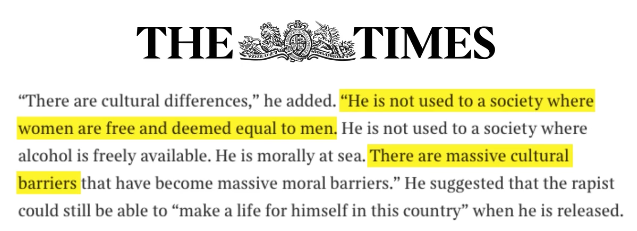
Earlier, in June 2025, 29-year-old Afghan asylum seeker Sadeq Nikzad who entered the UK illegally by small boat was sentenced to a 12-year extended sentence at the High Court in Livingston for the rape of a 15-year-old girl in Falkirk town centre in October 2023. The sentence includes nine years in custody followed by three years on licence.
During mitigation, his defence lawyer, Janice Green, argued that Nikzad had not been educated about significant cultural differences between the UK and Afghanistan, where child marriage is more prevalent. The defence also cited language barriers, suggesting there was a reason he “could have misunderstood” the situation, while clarifying that this argument did not imply a reasonable belief in consent. Nikzad was placed on the Sex Offenders Register indefinitely and faces deportation upon completion of his sentence.
Such incidents are not confined to recent years but have followed a recurring pattern. In 2012, Afghan refugee Esmatullah Sharifi was sentenced to 14 years in prison in Australia for raping an intoxicated 18-year-old woman whom he picked up outside a nightclub in Melbourne. During mitigation, Sharifi claimed that cultural differences from his homeland contributed to the attack, arguing that his background as a traumatised Muslim refugee fleeing the Taliban should be taken into consideration. The judge firmly rejected this argument, stating that it provided no excuse for the crime. The court ruled that Sharifi was fully aware the victim was not consenting and emphasized that such brutal conduct must be unequivocally denounced.
On 23 September 2025, Donald Trump criticized Europe’s handling of migration during his speech at the United Nations General Assembly, warning that immigration policies were “destroying European heritage” and suggesting that Europe’s open‑border approach would lead to failure if not reversed. (Click here to watch the video).

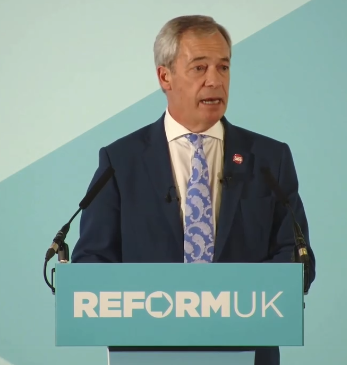
Reform UK leader Nigel Farage highlighted the sentencing of two 17-year-old Afghan asylum seekers for raping a 15-year-old girl in Leamington Spa, criticising a defence lawyer’s mitigation argument that attributed the attack to “cultural differences” and the perpetrators not being accustomed to a society “where women are free and deemed equal to men”. Farage described this as an unacceptable excuse, stating that it was precisely why such individuals should not be allowed into the UK, amid broader concerns over immigration and public safety.
On social media, he wrote, “This defence is exactly the reason they shouldn’t be here in the first place, as I have said for years.”

The Helvilux investigative team has found that in most of the European countries, including Luxembourg, Germany, Austria, Spain, Italy, Portugal, Ireland, the UK (Brexit Exit but part of Dublin Regulation) and Switzerland (not a part of EU but part of Shengen and Dublin Regulation) first-time asylum seekers or undocumented migrants are rarely informed about how to behave in public, particularly toward women and children on European soil. Providing guidance on appropriate social conduct should be a primary responsibility of governments to protect their citizens and residents, especially women and children, from sexual abuse. Yet, when migrants later commit crimes such as rape, molestation, ‘cultural differences’ or claims of misunderstanding the openness of Western women are sometimes used as a defence in court.
The Helvilux team contacted Office National de l’Accueil (ONA) and the Ministry of Family Affairs, Solidarity, Living Together, and Reception of Refugees to understand how this issue is handled in Luxembourg. Through several interviews with first-time international protection applicants, the team learned that none had attended workshops or received information on appropriate conduct in public or interactions with women and children. Therefore womens and childrens residents and citizen in Luxembourg are under risk of anytime being mistreated by undocumented aliens and International protection applicants.
Helvilux has also reached out to organisations active in the asylum and migration sector in Luxembourg to understand how women are treated by male asylum seekers within their programs. As of publication, most organisations have not responded. If responses are received in the future, Helvilux will provide updates to ensure readers have a comprehensive understanding of the issue.
Passerell a.s.b.l. is another organisation in Luxembourg that strongly supports asylum seekers and undocumented migrants, advocating for their rights, family reunification, and protection against human rights violations. Helvilux also reached out to Passerell for comment on this issue, but as of publication, no response has been received.
In Luxembourg there are other organisation as well who are working into asylum, migration, human rights, anti racism movement for example, One People a.s.b.l. is citizen led anti racism and equal oportunity organnisation as per there website claim, Croix-Rouge Luxembourgeoise the big organisation in luxembourg providing care and integration service in asylum and migration sector, ASTI a.s.b.l. which is working in child, youth, refugee and undocumented migrants integration programs and there rights and resident permit protection sector as per there website claim we request them to provide there advice or comment related to this topic were the asylumseekers are undocumented aliens when arrived in Luxembourg and apply for international protection they get no instruction or notification how they should behave with womens and childrens in this European society. Helvilux thought that organisations so deeply concerned about illegal migrants and asylum seekers would be just as quick to react when it comes to the safety of local women and children in Luxembourg. Turns out, that might have been a touch optimistic, apparently, compassion comes with a very specific target audience.
Caritas Luxembourg, which is currently inactive but previously supported those in need, including in migration and asylum sector, was informed by Helvilux about the lack of guidance provided to first-time male asylum seekers in Luxembourg regarding respectful behavior toward women. In response, M. Feit, speaking on behalf of Caritas, stated: “Most of Caritas’ activities were taken over by HUT.lu in 2024, therefore, we cannot comment further. It’s surprising that they didn’t discover this in their research.” It is notable that an inactive organisation chose to comment on this important issue of women’s safety in luxembourg, while other active organisations contacted by Helvilux have yet to respond.
Helvilux Media also reached out to CET, the Centre for Equal Treatment, established under the law of 28 November 2006, to share their opinion, advice, or even a friendly nudge to the relevant ONA authorities regarding Helvilux’s request for the protection and safety of local women and children living in Luxembourg.
CET, as we all know, is an independent body dedicated to promoting non-discrimination based on race, sex, disability, age, and more analysing, monitoring, advising, and handling complaints. In theory, this sounded like the perfect address. In practice, however, we received no response till the time we publish this article. One can only wonder, if a local resident’s family member, a woman, or a child were to be sexually assaulted or mistreated by an asylum seeker or illegal migrant, would the resulting frustration and anger politely wait in line to be processed as “acceptable emotions”? Or would we suddenly be surprised that fear, resentment and accusations of discrimination appear as if they were created out of thin air? Apparently, some conversations are easier to promote than others.
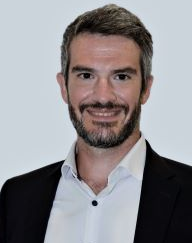
After the article was published, Gilles BOULTGEN the Executive Coordinator of The Centre for Equal Treatment (CET) clarified its position, emphasizing that their primary focus lies in promoting and monitoring equal treatment, as well as combating discrimination. While they strongly condemn any form of sexual violence, CET pointed out that such violence, regardless of the perpetrators’ origin, legal status, or cultural background, is a grave violation of human rights and is punishable under the law. They also emphasized the importance of not generalizing or stereotyping entire groups based on the actions of individuals, as such prejudices often lead to discrimination.
Furthermore, He explained that they had not yet addressed the specific issue raised in the article, and that providing a detailed statement would require a more thorough analysis of the matter.
As readers know, Helvilux has a foundation in Swiss culture, and our reporting is always aimed at the betterment of both Luxembourgish and Swiss society. Therefore, the Helvilux investigative team also contacted the relevant Swiss authorities regarding this matter. It is important to note that Switzerland is home to the asylum service provider company that delivers care and integration services in the migration and asylum sector across most EU countries. For example, the asylum facilities (ship docked in port for accomodation of women asylumseeker) operating in the Netherlands under the CAO are managed by a Swiss company in Horgen, Similar service and care links to Switzerland exist in other EU countries as well. For this reason, engaging with Swiss authorities was a crucial part of our investigation.
Regarding this sensitive topic, Helvilux also contacted ORS Group, which provides integration and care services in the asylum and migration sector not only in Switzerland, but also in Germany, Italy, Spain, Austria, and several other European countries. We requested clarification from ORS, but as of publication, no response had been received.
Despite being a contractor operating in Switzerland for 30 years, ORS Service ag did not provide any information on whether it conducts workshops for asylum seekers and refugees on how to behave respectfully toward women in Western societies. Helvilux also asked how ORS provides training for staff members from migrant backgrounds, particularly those who may not be fully integrated or familiar with Swiss and European law and local culture this question, too, went unanswered.
Soon after the article was published on behalf of ORS Service ag Mr. Michael Shoenenberger contacted Helvilux media and introduce himself as an external communication officer and handle media inquired in Switzerland related to ORS. He clarify that, “Upon arrival, all asylum seekers receive a comprehensive introduction. This explains the applicable rules of conduct, personal rights, and the legal framework relevant to Switzerland in an understandable way. We specifically emphasize respectful behavior and peaceful coexistence. Reports of criminal offenses or serious incidents in the vicinity of our accommodation are treated with the utmost care, investigated promptly, and, if necessary, the relevant Swiss authorities are involved.”
While HELVILUX is still not convinced by ORS’s response, as it seems more hollow than reflective of the ground reality (since we have already interviewed several asylum seekers and rejected asylum seekers living in accommodations operated and maintained by ORS), we have requested Mr. Schoenenberger to provide documents outlining what is actually being provided to them. This would make more sense to HELVILUX and also to our readers.
Meanwhile, ORS Service AG, which operates in Switzerland and several EU countries, apparently needed a PR agency to handle communications with HELVILUX Media. Enter Hirzel.Neef.Schmid.Konsulenten alies Konsulenten, the well-established consulting firm with offices in Zurich, Bern, and Geneva because clearly, such a delicate matter requires the highest level of expertise. Businesspeople might point out that their website’s tagline “Your reputation is our mission” hints that their services are tailored for the most discerning clients. I mean, who wouldn’t assume that managing migration care contracts in Switzerland, Austria, Germany, Italy, Belgium is so lucrative that ORS can easily justify investing in such exclusive PR services?
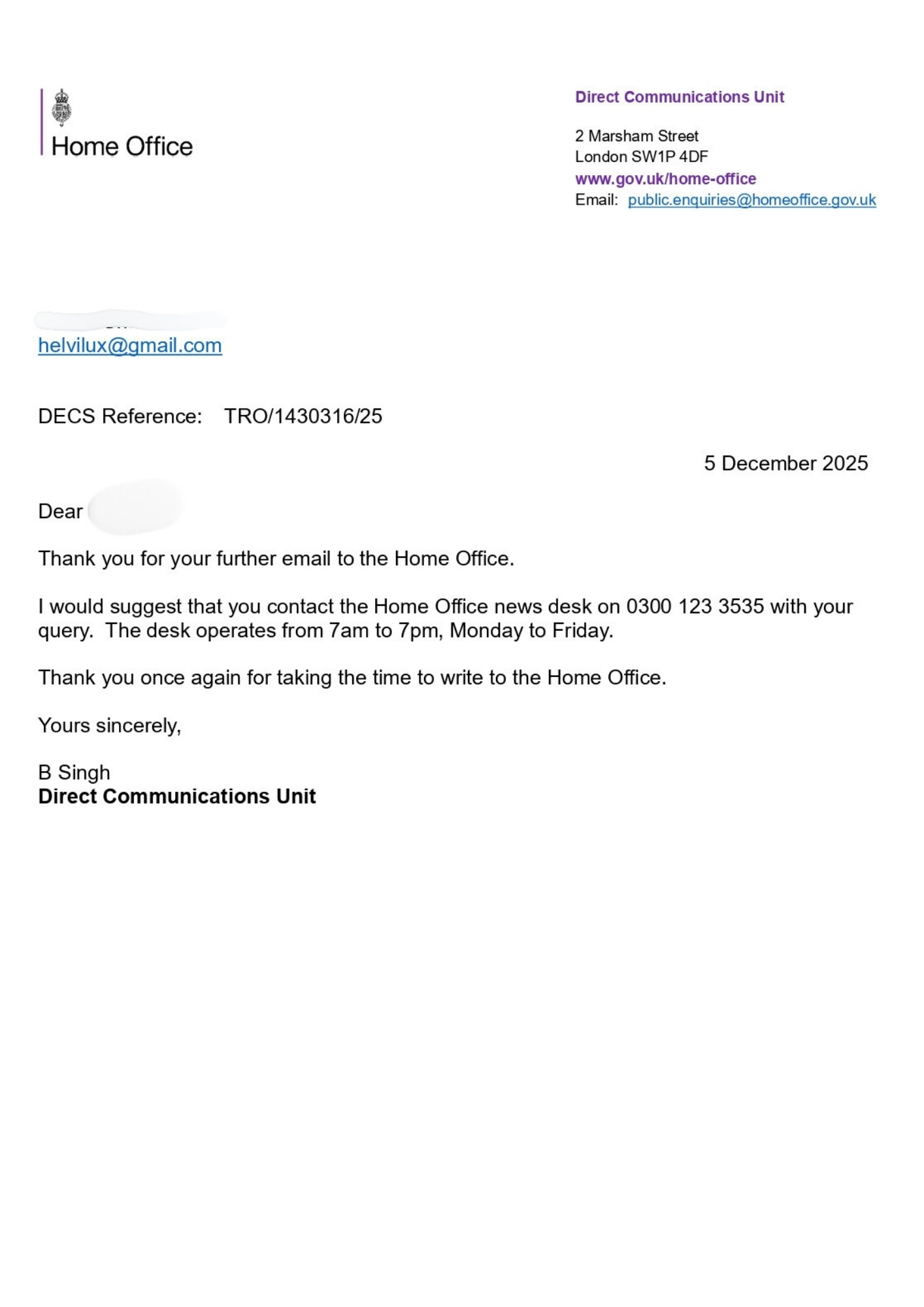
Serco acknowledged receipt of the email and stated that it would respond in due course. The company also advised contacting the Home Office, explaining that it operates under the Home Office’s direction in the UK. However, Serco did not address its responsibilities beyond the UK, despite operating in several European countries as well as Australia. (Click to read the letter).
This is a highly sensitive issue, affecting the safety of women residing in Switzerland, women undergoing the asylum process, and female staff working for ORS and its parent company, Serco.
A Serco spokesperson said, “We provide an induction to all asylum seekers who arrive at our accommodation detailing expected standards of behaviour, individual rights, and relevant UK laws. This also includes respect for others, and we take any reports of crimes by those living in our accommodation seriously.”
Canton Zurich in Switzerland Shows Better Initiative
A former asylum activist and current resident of the canton of Zurich told Helvilux media that in Zurich, when an asylum seeker is assigned from the federal level to the canton, both men and women attend a workshop organised by AOZ (A contractor providing Care and Integration services in Migration and asylum sector in the canton of Zurich).
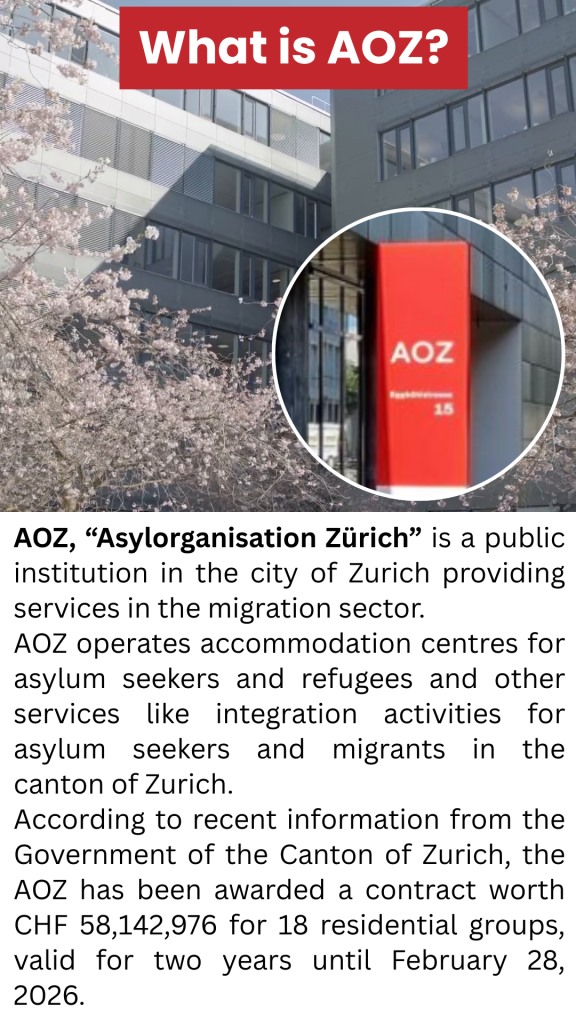
However, the Helvilux investigative team found that from the time an asylum seeker applies for international protection and is accommodated in a federal facility until their transfer to the canton which often takes three to nine months, during this period, if a male asylum seeker misbehaves or attempts to assault a woman, who is responsible for ensuring her safety? The woman could be another asylum seeker in the same facility, a female staff member in the federal asylum camp, a Swiss citizen and resident, or any local woman on Swiss soil.
A few days ago, Helvilux published an article alleging unethical practices by AOZ, including privacy and tenancy law violations affecting residents in social housing, with particular concerns related to women’s safety in social welfare accommodation in the canton of Zurich, Switzerland. (Click here to read the article.)
To investigate this, Helvilux contacted AOZ (responsible public entity in parts of the canton and city of Zurich) European Home GmbH (Responsible in Germany), ORS and Serco (which is responsible across Switzerland, UK, Germany, Italy, Spain, Belgium, and other EU countries and also Australia).
Helvilux also sought responses from organisations (funded by donations and grants) that frequently advocate for the rights of asylum seekers and undocumented migrants, asking whether they are also concerned about the safety of local women taxpayers living in Switzerland in cases of misconduct by an asylum seeker or undocumented migrant. Unfortunately, as of publication, no responses had been received from these organisations, including SFH (Swiss Refugee council), Asylex, HEKS EPER, Freiplattaktion, Humanrights.ch, Sans Papier, Spaz (Sans-papier Anlaufstelle Zurich) and Caritas Schweiz.
After the publication of this article, SFH (Swiss Refugee Council) Media Spokesperson Eliane Engeler contacted Helvilux and clarified that: “The SFH is an umbrella organisation and therefore not operationally active. This means that it does not work directly with asylum seekers, neither in the area of accommodation/integration nor in the asylum procedure. We are therefore not the right contact for your questions.”
However, as an umbrella organisation, SFH can still provide its opinion, especially on this sensitive and high-priority topic concerning the safety of the local population in Switzerland, particularly women and children. As a representative body, SFH can also make suggestions to the SEM authorities regarding the requests made by Helvilux. In fact, this topic should have been addressed by SFH several years ago, which is why the media now has to follow up with the SEM authorities. Helvilux still hopes to receive a response to the questions asked and encourages SFH to follow up with the responsible authorities to help improve the safety of women and children in Switzerland.
The safety of local women ? or The protection of asylum seekers who commit sexual assault on Swiss soil? This is a pressing concern raised by taxpayers in Switzerland.
Helvilux has also contacted the State Secretariat for Migration (‘SEM’ – Migration authority in Switzerland), urging that every male asylum seeker requesting international protection for the first time should, on day one, receive instruction and attend a short workshop outlining the consequences of misbehavior, including sexual assault against women or children on Swiss soil. Practices tolerated in some countries such as Morocco, Algeria, Egypt, Eritria, Libya, The Gambia, Ghana, Pakistan, India, Bangladesh, Iraq, or Afghanistan are not acceptable in Western societies and must be clearly understood by newcomers.
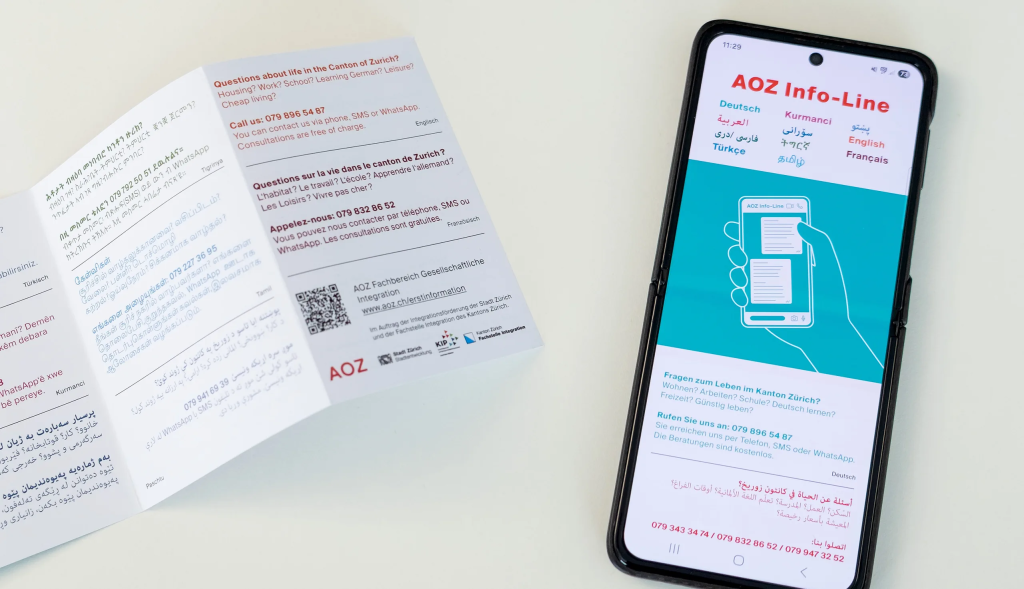
In Zurich, both integration institutions in the canton level and in the city level provide annual grants to AOZ for a multilingual infoline helpline, offering services in 13 languages including Arabic, Dari, Farsi, Kurmanji, Pashto, Sorani, and Tigrinya. While the helpline is accessible, it does not appear to encourage asylum seekers to learn German, the official language of the canton, which is essential for integration.

According to AOZ’s website, the Infoline for refugees hotline answers questions about life in the canton, including housing, work, learning German, school, and leisure activities. Advisors speak several languages and can direct callers to the relevant specialists or advice centers. This system remains difficult for many local Swiss residents to understand. They question why, in a country with four national languages (German, French, Italian and Romansh) and with English widely used as an international language so many additional languages are provided, once asylum seekers have already been assigned at the federal level asylum camps to a specific canton such as Zurich, where German is the official language. Critics argue that offering extensive services in multiple foreign languages at the cantonal stage may reduce the motivation of asylum seekers to make an effort to learn the local language, thereby Infoline for refugees somehow working against the very goal of integration. Regarding this Helvilux did contacted for more clarification from AOZ which was unanswered.
Therefore, Helvilux believes that KIP (Integration Department of the Canton of zurich) and Stadtentwicklung of the city of zurich should reconsider how funds are allocated for integration, ensuring that resources are spent effectively to promote language learning and social integration which will be also usefull for swiss society.
Helvilux also submitted a further request to the Integration Department of the Canton of Zurich (KIP) and the City of Zurich (Stadtentwicklung), urging them to implement a program that would provide asylum seekers with guidance on their very first day in the canton. The proposed program would focus on explaining appropriate conduct toward women in Switzerland and clearly outlining the legal and social consequences of committing sexual assault or other criminal acts on Swiss soil. At a minimum, such an initiative would serve as a concrete step toward improving the safety and protection of women within Swiss society.
In response to Helvilux’s request, Nadia Sambuco, Media Spokesperson and Specialist in Information & Communication at the Integration Department of the Canton of Zurich (KIP), clarified the current integration efforts in Zurich. The Integration Department follows the guidelines of the Swiss Integration Agenda, which prioritizes quick access to integration support for refugees.
According to Ms. Sambuco, the Initial Information process for refugees begins immediately after their assignment to cantonal centers, where information is provided in the refugees’ native languages. This includes details on rights and obligations, social norms, and various integration-related topics such as education, employment, housing, and support services.
The Initial Information is funded through the federal integration grant and is provided in collaboration with other organizations, including the AOZ Info-Line for refugees, available in 14 languages. Additionally, the Canton of Zurich’s approach to integration is outlined in the Cantonal Integration Program 2024-2027 (KIP3) and the annual Monitoring Report on the Integration Agenda. Links to these publications have been made available for further reference. Click on the link to read Cantonal Integration Program 2024–2027 (KIP3) (link) and 2024 Monitoring Report on the Integration Agenda of the Canton of Zurich (IAZH) (link).
Caritas Schweiz on Gender Equality in Asylum Programs
On behalf of Caritas Schweiz mediaspokeperson Daria Jenni said to Helvilux, “We consider raising awareness of gender roles and gender equality in Switzerland to be important; therefore, it plays a role in our integration work and is a fundamental part of our mandate. In the asylum cases we currently manage on behalf of various cantons, we offer various modules for education and awareness-raising regarding gender roles, equality, codes of conduct, and rights in Switzerland, as well as other topics relevant to integration. The specific design of the modules varies from case to case.”
Jenni Added, “At our House for Education and Migration in Matran, Fribourg, we offer residents various modules to attend during their six-month stay. These modules consciously place a strong emphasis on gender equality. In the canton of Schwyz, mandatory courses are offered as part of internal instruction, addressing gender equality (men and women, freedom of religion, etc.) and respectful interaction. Teachers also compare different behaviors in the students’ home countries with those in Switzerland. Furthermore, cantonal sex therapists periodically conduct training days, during which they discuss the roles of men and women in Swiss society. Under the Zurich mandate, every asylum seeker must attend the “swissinfo” course, which is run by the Zurich Asylum Organization (AOZ). This course teaches participants a code of conduct for Switzerland, which also covers gender equality and violence against women. The course is conducted in the asylum seeker’s language to ensure they understand the content. On the other hand, this content is also conveyed more broadly in everyday life by the accompanying specialists and through various other offerings within the respective mandates. For example, female specialists are deliberately included in leadership roles, and housework is divided equally between genders.”
Luxembourg must also strengthen measures for women’s and childs safety

The Helvilux investigative team also believes that Luxembourg’s authorities are performing better than many other European countries in protecting minors. A 2024 survey by the NGO KidsRights ranked Luxembourg highest in the world for protecting children. Significant efforts have already been made in this area.
In 2022, a key modification to the legislation was made: acts previously classified as “indecent exposure” are now also considered “sexual assault” or “assault on sexual integrity.” At the time, while speaking to the press, former Justice Minister Sam Tanson (déi Gréng) stated, “Sexual abuse of children will now be punished more severely.”

Current Ministers Claude Meisch (National Education, Children and Youth), Lydia Mutsch (Health), and Félix Braz (former Minister of Justice), in coordination with other authorities, produced a booklet titled Abuse of Minors (ISBN: 978-99959-1-240-6), published in 2018 by the Ministry of National Education, Children and Youth under the Interministerial Coordination of the Rights of the Child. This publication represents a strong effort to educate organizations and the general public on child protection.
Luxembourg also maintains one national office and fourteen regional offices, as well as an online Parents’ Forum (Eltereforum) where parents and carers can exchange information and support one another. The Children’s Village Luxembourg (SOS Kannerduerf) provides guidance and security to children, organizing residential care facilities where children can live in stable and secure environments, either temporarily or long-term. They also offer counselling services to children, families, and foster families across the country. OKaJu, the Ombudsman for Children and Young People in Luxembourg, advocates for the equal rights of every child and teenager. Their services are available to support anyone who has witnessed or experienced a violation of these rights. The Luxembourg Red Cross (Croix-Rouge Luxembourg) helps children and young people in many ways, offering social support, police intervention, medical assistance, and legal information. For children of highly contentious parents, such as those who are going through divorce or experiencing long-term conflict, emotional problems can take their toll.
Additionally, the Grand Ducal Police launched the campaign “Aktioun Bobby” which offers telephone assistance to children who are victims of physical, psychological, or sexual violence (Telephone: +352 123 21). Luxembourg’s Minister for Home Affairs, Léon Gloden, has sought to tighten family reunification rules for refugees, a measure he claims will make those who want to bring there family integrate in Luxembourgish society and those who are not interested to integrate that way will help reduce the number of asylum seekers in the country because of strict Family reunification. (Click to read the report.)
Although there is still room for improvement considering Luxembourg’s overall capacity, the Realization of Children’s Rights Index (RCRI) places Luxembourg 47th globally (click here to read the report). Helvilux has identified a particularly vulnerable area that remains unaddressed.
Applicants (asylum seekers) for international protection in Luxembourg are not provided with mandatory instructions or workshops on how to behave toward women and minors, nor are they informed about the legal consequences of sexual abuse or assault under Luxembourgish law.
Last year, 2,018 asylum seekers arrived in Luxembourg and applied for international protection. In 2023, 2,446 applicants were registered. This year, approximately 180 to 200 applicants arrive each month, seeking protection and a better life in Luxembourg. Most of them come from entirely different cultural backgrounds.
This gap is significant. Notably, in asylum facilities in Luxembourg where asylum seekers receive first-level accommodation instructions are already displayed in shower areas, for example, notices stating that shower spaces must not be used as toilets. If such basic behavioral guidance is deemed necessary, it is even more essential that male asylum seekers receive clear, mandatory instruction from day one on respectful behavior toward women and the serious legal consequences of any violations.
Therefore, Helvilux has urged ONA (Office national de l’accueil) and other European countries to implement such preventive measures, as prevention is always better than cure. Local women and their children place their trust in government to ensure their safety. If illegal migrant or International protection applicants commit acts of sexual violence, that trust is undermined, public anger toward authorities rises, and resentment toward asylum seekers and migrants can grow potentially leading to long-term social and political consequences.
As per the association‘D’Stëmm vun den Iwwerliewenden’ (‘Voice of the Survivors’) noted that in Luxembourg women experiencing physical, sexual or psychological violence is concerning From 2020 data shows 81000 people in the Grand Duchy almost one in five experienced physical, sexual, or psychological violence at least once in that year. Most victims of sexual, sexist, physical, or psychological violence do not seek help, according to the National Institute of Statistics and Economic Studies (STATEC). While speaking with Media outlet RTL News in year 2024 (Click to read the news) association member Pinto stated that “78% of victims did not contact the police, doctors, psychologists, social workers, or other professionals”.
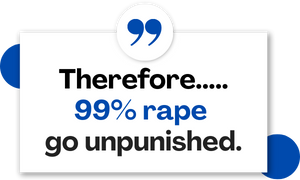
Marie-Laure Roland, vice president of the association, pointed to additional issues within the legal system in cases of sexual violence. Roland stated that only one in ten rape victims files a complaint, and of those, just one in ten leads to a conviction. “Therefore, 99% of rapes go unpunished”, Roland said.
As per the report which was published in year 2022 by Paperjam mentioned that, Women are also not sheltered in their professional space, as 15% of women reported suffering from mental violence, and 7% from physical violence in the workplace. In 2021 Over the last 12 months, a total of 42,215 women had experienced mental, bodily, sexual and economic violence. (Click here to read the statistic report.)
Crossing Borders, Not Boundaries: Women in European Asylum Camps Face Misconduct
The Helvilux investigative team contacted women asylum seekers and refugees, as well as female staff working in various refugee camps and facility centers in Luxembourg, and found that newly arrived male migrants sometimes have misconceptions about Western society, believing they can act without understanding local norms.
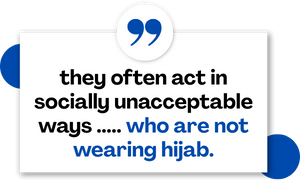
A Syrian woman refugee, speaking to Helvilux on the condition of anonymity said: “I born in Syria and came here with my childrens because of the war. Men asylum seekers from my own country behave respectfully toward me, but they often act in socially unacceptable ways toward Ukrainian or other Western women living here who are not wearing hijab. They suddenly try to hug those women, and when the women resist, they say, ‘Oh, you dont like, sorry, sorry.’ Sometimes their behavior is aggressive, so victim women usually try to ignore it and avoid filing complaints with authorities, hoping to forget the mistreatment.”
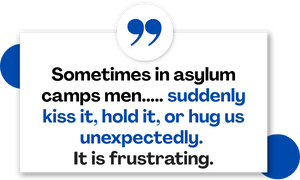
A female security guard from asylum facility center in Luxembourg, also speaking anonymously, told Helvilux, “This is an important topic. We completed our training before joining in security company. Sometimes in asylum camps men from certain countries behave inappropriately they extend their hand to shake but then suddenly kiss it, hold it, or hug us unexpectedly. It is frustrating. While we understand that they come from different cultures and may not know how to behave here, in today’s world, they have access to social media and can learn about appropriate behavior. Anyone who can use social media to navigate multiple borders and reach Europe in search of a better life should also be able to learn from social media how to understand and respect how women are treated here.”
A retired Luxembourger living in south, while speaking with Helvilux, said: “While traveling by bus from our village to the station, it has happened many times that some asylum-seeking teenagers play Eritrean songs very loudly on their phones. We feel disturbed and feel like telling them to lower the volume, but we don’t and instead ignore it. I just hope this ignorance does not become a problem one day.”
Mixed-Gender Tents in Luxembourg Asylum Centers Raise Safety Concerns

Living arrangements in some Luxembourg’s asylum facilities continue to pose risks. Helvilux recently reported on the poor conditions at the Kirschberg asylum facility center, where men and women are housed together in the same tents. This setup raises serious concerns about the safety of female applicants seeking protection in Luxembourg. Click here to read the article.
As per European Union agency for asylum fact sheet, Just 29% of asylum applications were lodged by women and girls in EU+ countries in 2022.
Safety Gaps in German Asylum Camps
An asylum seeker from Cuba, residing at the Friedrich-List-Straße 3 camp in Halberstadt, Sachsen-Anhalt, told the Helvilux investigative team, “We fled our country to escape mistreatment caused by crisis and political problems. Here, we have to protect ourselves not only from male asylum seekers from certain countries who may act according to their cultural norms, but also from social workers or security staff in the asylum sector. If we report incidents, the ‘race card’ is sometimes played, and the staff member who mistreated us continues to work in the same facility where we live. In most cases, complaints are ignored by the camp manager or head.” The primary reasons people are claiming asylum from Cuba are severe economic hardship, challenging humanitarian conditions, and political repression.
The Helvilux investigative team also spoke with several asylum seekers residing at the Patrick Henry Village asylum camp in Heidelberg. According to these accounts, some asylum seekers expressed concerns about the behavior of certain security staff and social workers toward women from their own countries. Another issue reportedly raised was that, although a police station is located within the camp, formal complaints are seldom filed. Some asylum seekers indicated that, because both the alleged victim and the accused staff member continue to encounter each other in the facility, incidents are sometimes not pursued formally, and affected individuals may instead wait for a transfer to permanent housing.
A member of the Helvilux investigative team noted that the atmosphere within the camp appeared different from the surrounding German society. They observed that local German staff were mainly in administrative roles such as EURODAC verification, fingerprinting, and identity card issuance, while comparatively fewer local Germans seemed to be employed in daily social work or security functions.
Sexual Assaults and Safety Concerns on Swiss soil
Helvilux investigative team assures that overall, Switzerland is still performing much better than all other European countries in managing its asylum system. Switzerland’s sexual criminal law was reformed on July 1, 2024, following parliamentary adoption in June 2023. Introducing the “No means No” principle, broadening the definition of rape to include any non-consensual penetration and recognizing lack of consent even without verbal refusal or physical resistance. Apart from that in Swiss asylum sector according to the AIDA report, Switzerland introduced a fast-track 24-hour asylum procedure in February 2024 for nationals from certain Northwest African countries. Since April 2025, removals to Afghanistan have been deemed possible in specific cases involving healthy, single adult men with strong local ties, while vulnerable groups remain excluded. In 2024, deportations to Afghanistan resumed for the first time since 2019, although they were limited to criminal offenders. On 10 September 2025, At the UN Human Rights Council (60th session) in Geneva, Switzerland raised concerns about minority protections in India.
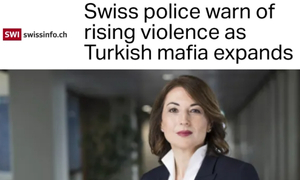
In November Swiss Fedpoll head Eva Wildi-Cortés told Swiss Public Television, SRF that The Turkish mafia is “on the rise”. (Click to read the news.) Also, the Swiss Federal Administrative Court ruled that removals to Türkiye’s earthquake-affected or previously excluded regions are not inherently unreasonable but must be assessed on a case-by-case basis. Additionally, political charges alone do not automatically justify the granting of asylum. Last year, Switzerland and Iraq agreed to strengthen cooperation on returns and the reintegration of unsuccessful asylum applicants.
More recently, the Swiss Parliament approved two Liberal Democrat (PLR/FDP) motions aimed at tightening Switzerland’s asylum regime, as reported by RTS and Lenews. One proposal would allow asylum claims of convicted applicants to be processed while they are serving their prison sentences.

Despite these measures, further improvements are needed in specific vulnerable areas that could pose challenges to the local population. One such issue, recently raised by Helvilux, is the lack of mandatory workshops or instructions for male asylum seekers upon arrival. Helvilux proposes that every male asylum seeker should receive clear guidance on the very first day regarding acceptable behavior and legal responsibilities towards women in Switzerland.
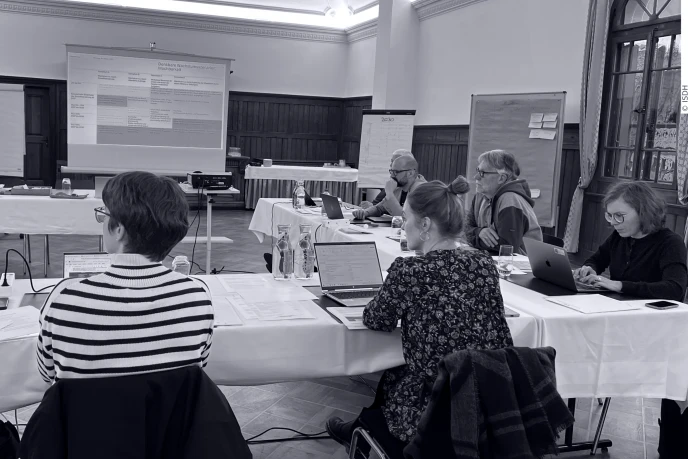
Switzerland famous for neutrality, delicious cheese and chocolate, unique systems and innovation in technology and health sector, and some of the fastest airjets and precision air weapons but unfortunately not so fast when it came to granting Swiss women the right to vote, only doing so in 1971, decades after many of its neighbours. A country long considered the headquarters of humanitarian and aid organizations Not had National Human Rights Instution till year 2023. After decades of advocacy by human rights activists, in 2003, the FDFA prepared a report on behalf of Parliament on the Possibilities for the creation of a national human rights institution. Swiss parliament revised the law accordingly in autumn of 2022. On 23 May 2023, after thirty years of international and more than twenty years of national historical background, the ISDH was founded in Berne, in the presence of around one hundred founding members and representatives of various institutions. So let’s see how long it will take for the Swiss government to take strong action to protect women and their children on Swiss soil.
Swiss media outlet SwissInfo reported on 1 May 2018 that the Federal Statistical Office (FSO) recorded 813 criminal offences in Swiss asylum centers in 2017, with the number of sexual offences rising by 60% in 2018. Click here to read.
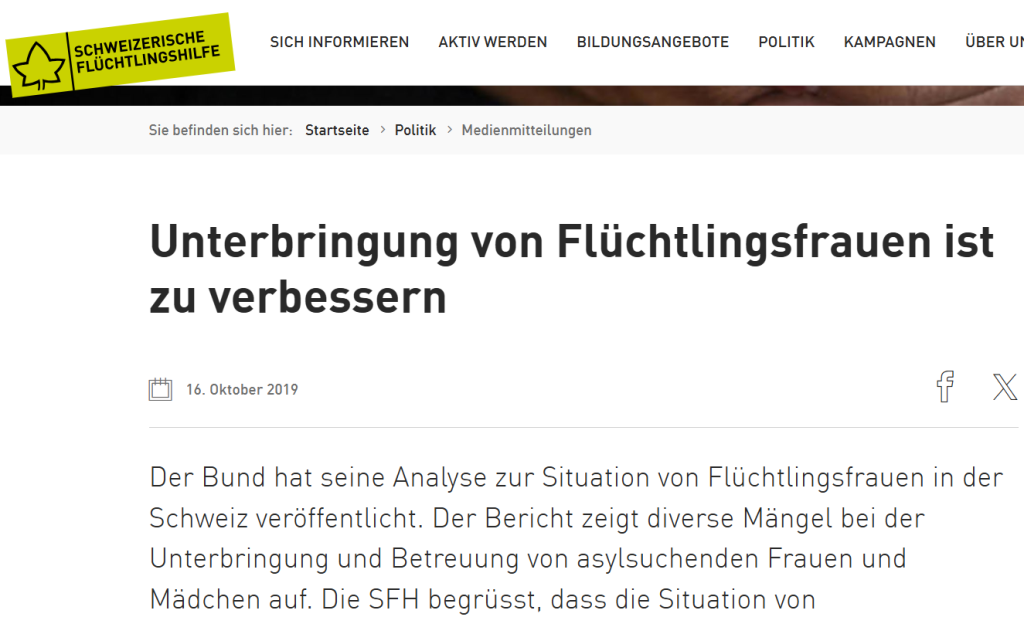
Report by the Swiss federal government highlighted that refugee women in asylum centers face inadequate, non-gender-sensitive accommodation and insufficient violence-prevention measures, calling for immediate improvements and coordinated protection efforts. On 16 October 2019, Schweizerische Flüchtlingshilfe (SFH) published Unterbringung von Flüchtlingsfrauen ist zu verbessern, demanding that the SEM remedy these deficiencies and introducing minimum standards (Mindeststandards) for the accommodation of asylum seekers. So, weather the federal report has since been removed from official website? On 15 December 2025 Helvilux investigative team requested a copy of the report from Federal office to ensure that readers and Swiss citizens have access to the facts, emphasizing that truth should not be so easily erased.
After publishing the article on 16 December 2025, FDJP Media Spokesperson Magdalena Rast contacted Helvilux media and provided the new link which have the information and detailed report of the Federal council and SEM report of 25 September 2019, Report of the SCHR and report on the implementation of the measures of 17 November 2021. Click here
GRETA (Group of Experts on Action against Trafficking in Human Beings) has noted that Swiss cantons often do not transfer victims identified in the asylum system to specialized trafficking victim support centers due to financial constraints. Instead, they continue to host them in regular asylum centers. This concern has also been highlighted in the U.S. Department of State’s reports for 2023 (Click to read the report), 2024 (Click to read the report), and 2025 (Click to read the report). Click here to read the third evaluation report published on 20 June 2024. For additional context, the 2019 Human Rights Practice country report on Switzerland in which the problem was also mentioned is also available. Click here to read.

Anna Schmid the spokeperson from Sans-Papiers Anlaufstelle Zürich said to HELVILUX, “Violence against women is unfortunately a phenomenon that can be observed in all social classes and cultural contexts. It is urgently necessary that this form of violence is combated in all areas of society. Urgent measures must be taken here to better protect Sans-Papiers affected by violence. For the social integration of Sans-Papiers, regularisation of their residence status is central. Sans-Papiers are not known to the authorities; therefore, early orientation for this group would probably be difficult to implement. We cannot judge whether this measure makes sense for asylum seekers, as we are not experts in the asylum procedure.”
While Anna Schmid and Sans-Papiers Anlaufstelle Zürich highlighted the challenges in protecting undocumented female migrants, they also emphasized that they are not experts in the asylum procedure and recommended directing questions about asylum seekers to specialized organizations. This again raises the issue highlighted by Helvilux regarding the safety of women and children in Switzerland. What measures are in place to ensure that male undocumented migrants including Sans-papier holder, who may be unfamiliar with Swiss laws and behavioral expectations, do not mistreat women or children due to cultural differences?
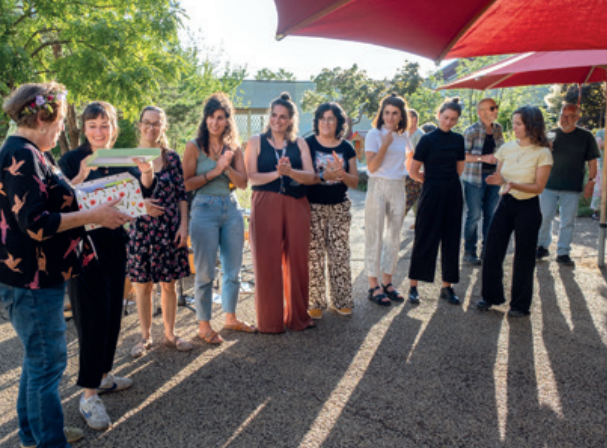
Photo: Ursula Markus
The Sans-Papiers Anlaufstelle Zürich (SPAZ) is an independent, low-threshold advice center located at Kalkbreitestrasse 8 in Zurich, dedicated for years to supporting people without regular residence status. It provides confidential assistance on legal, social, and health issues, combats exploitation, and raises public awareness about the precarious situation of the estimated 20,000 undocumented migrants in the Canton of Zurich.
Sans-Papiers Anlaufstelle Zürich has observed that it is very difficult for victims of violence, especially female undocumented migrants, to obtain protection. Victims among Sans-Papiers cannot file complaints against perpetrators without risking deportation themselves.
Regarding this, Helvilux Media is following up with the Zurich Cantonal Police Department and, subsequently, with police departments in other Swiss cantons to explore whether there are options for undocumented female Sans-Papiers to submit complaints of mistreatment and receive justice and protection through a legal representative, without having to visit a police station in person. Once we receive information from the police, public prosecutors, and other relevant authorities, we will present it here for our readers.
Men Face Sexual Misconduct Too in Bern, Switzerland
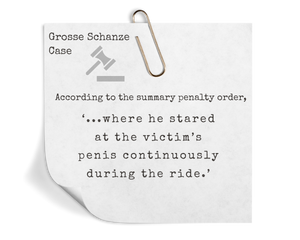
Incidents of sexual misconduct in asylum centers have also been reported in multiple cantons. In autumn 2024, a 22-year-old male asylum seeker living in accommodation in the canton of Bern approached a man at Bern train station, pretending to need help. According to the summary penalty order, the victim followed him into an elevator to the Grosse Schanze, “…where he stared at the victim’s penis continuously during the ride.” The perpetrator then grabbed the victim by the wrist, led him to deckchairs on the lawn, exposed himself, and used gestures to request oral sexual activity. The accused was convicted of sexual assault, simple assault, violation of the Aliens Act, trespassing, and theft. Click here to read the news.
This case raises public interest in similar legal matters, particularly regarding the fate of individuals convicted of sexual assault at Grossen Schanze. Therefore, Helvilux contacted the responsible authorities to determine whether the convicted perpetrator is still living in Switzerland and receiving social welfare or has been deported to his country of origin. As of publication, the Swiss authorities have provided no response, so its still the mystery.
It is worth noting that in 2009, a young woman was fined for urinating in the bushes at Grossen Schanze, (Click to read the article) a violation of public regulations. After appeals in the lower and higher courts, she was ultimately acquitted by the Federal Supreme Court, overturning the fine and requiring the canton to cover costs of 6,000 CHF (Swiss Francs).
A two generation Swiss woman residing in Oberwinigen, Canton of Zurich, speaking on condition of anonymity, told Helvilux: “Many organizations prioritize the rights of asylum seekers, but when it comes to the safety of local women, the same organizations rarely speak or organise initiative to ensure asylum seekers or undocumented migrants do not pose a threat. Only asylumseekers have human rights? then what about our human rights?”
She also provided insights into how a private company operates an asylum camp in the Oberwinigen Gemeinde and get profit, accommodating just 8–10 asylum seekers and refugees. Helvilux plans to publish a detailed report on this topic soon and will include the link here once it becomes available.
Another Swiss citizen and activist from Winterthur city of the canton of Zurich, while speaking with HELVILUX said,

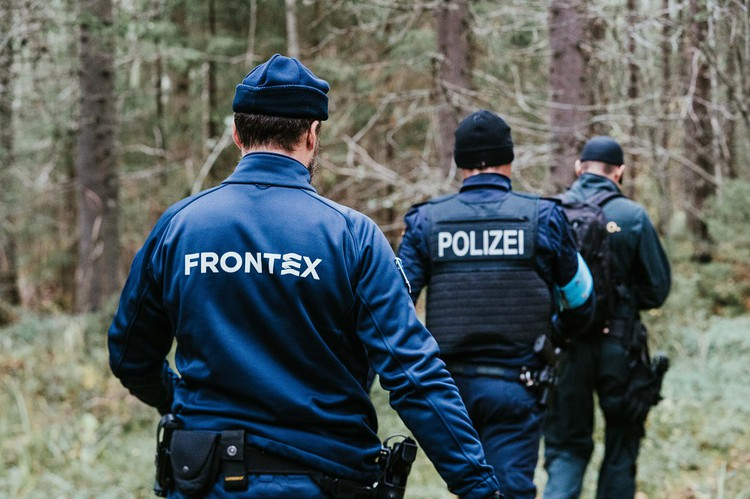
An interesting point is that the Swiss referendum held on May 15, 2022, concerned whether Switzerland should participate in the expansion of Frontex (the European Border and Coast Guard Agency) by approving the adoption of the relevant EU regulation as part of the Schengen/Dublin cooperation. The Swiss Federal Council and Parliament had already approved participation, however, a referendum was triggered after migrant solidarity groups, NGOs, and left-leaning parties (such as the Social Democrats and the Greens) collected more than 62,000 signatures.
Opponents argued that funding Frontex would make Switzerland complicit in alleged human rights violations at the EU’s external borders. Nevertheless, voters approved the proposal, with 71.5% in favor, thereby deciding to increase Switzerland’s financial contribution to Frontex from approximately CHF 24 million in 2021 to up to CHF 61 million annually by 2027. (Click to see the result.)
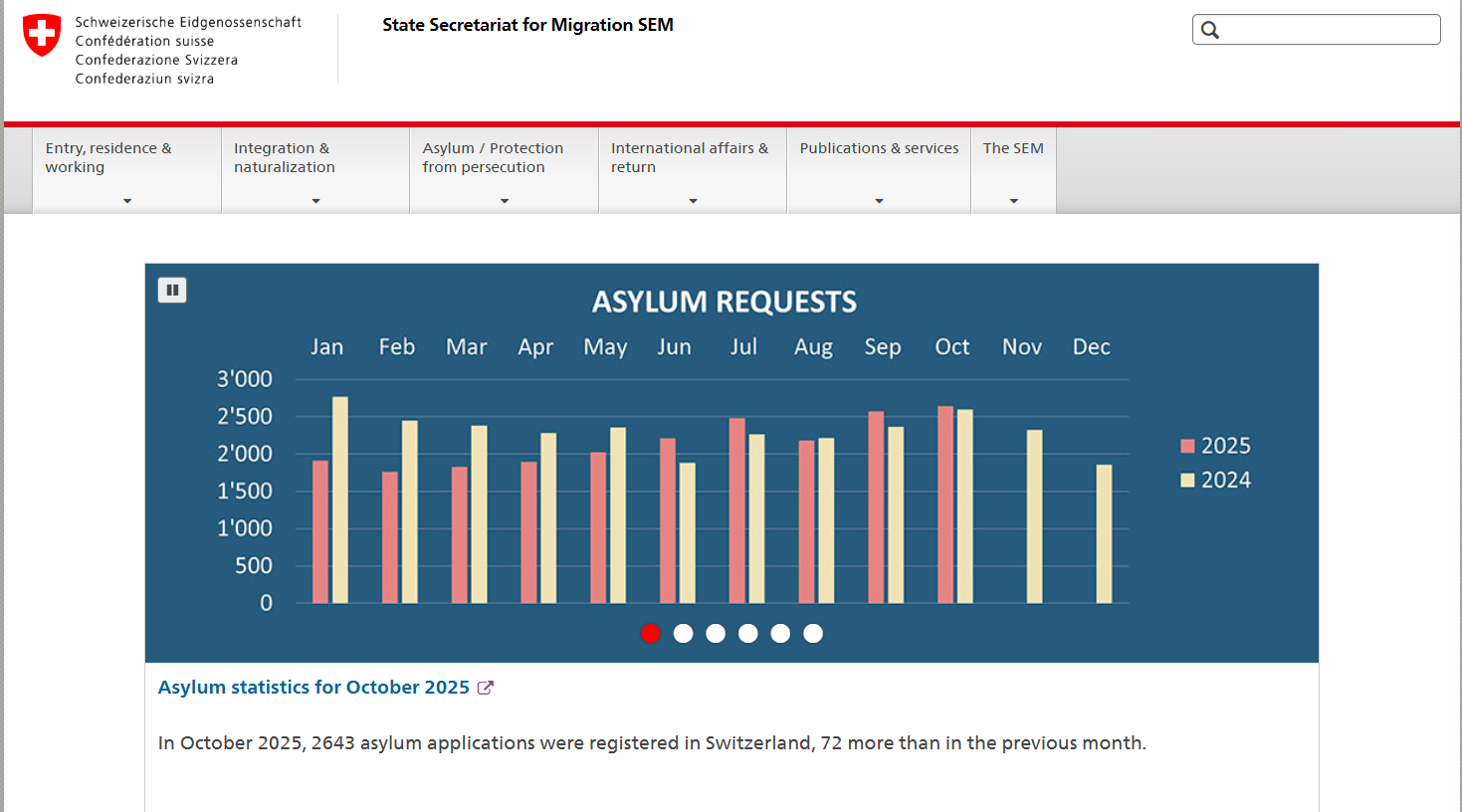
It is worth noting that, according to the Swiss State Secretariat for Migration (SEM), the latest data from October 2025 show that 2,643 asylum applications were registered in Switzerland, 72 more than in the previous month. In 2022 there were 24,511 applicants, in 2023 was 30,223 and last year were 27,740 applications.
Given these figures, one could argue that there has been no significant decrease in asylum applications, in fact, they have increased compared to some previous years. This raises the question of what tangible impact the increased Swiss taxpayer funding for Frontex (CHF 24 million in 2021 to up to CHF 61 million annually by 2027) has had on asylum application numbers.
Indian Gang Networks Exploit Visa Loopholes, Targeting Switzerland, Europe, and North America
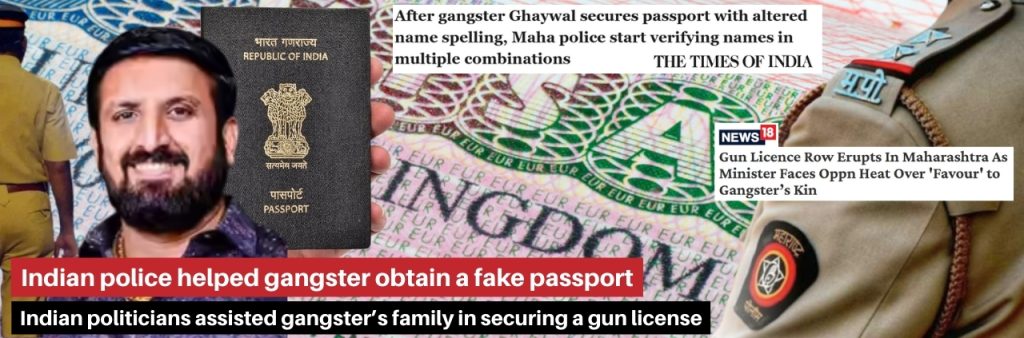
Not just asylumseeker, illegal migrants or refugees the local Swiss population also have to protect themself from several other eliments. Recently a gangster from India arrived in Switzerland via UK and still now no local Swiss media published anything related to this matter.

However, Helvilux reported, how, with the alleged support of corrupt Indian politicians and police officers, Wanted by Interpol, Indian gangster Nilesh Ghaiwal obtained a UK tourist visa using a fake Indian passport and entered Switzerland via the UK. The UK has always been a favorite destination for fugitives from India. Click here to read the article. Helvilux inquired about any action taken by the SEM (State Secretariat for Migration) regarding this case, but no response has been received.
HELVILUX also contacted the Home Office in the United Kingdom to understand how the migration authorities issued a tourist visa so easily on a fake Indian passport of a gangster in India which helped him to come to Switzerland via UK. Interestingly, the Home Office has so far failed to provide a written explanation, instead directing HELVILUX to contact Direct communication unit officer Mr. B. Singh by phone in the UK for further information. (Click here to read the letter).

It is worth noting that, India-UK offers 1800 UK Visas for chefs, yoga experts, musicians. This announcement happened when India’s prime minister visited at Chequers near Aylesbury, England with Britain’s Prime Minister Keir Starmer to sign free agreement on 24 July 2025 (Click to read the report). Later Keir Starmer anounced in October 2025 that UK won’t relax visa rules for India (Click to read the report).
This raises serious concerns that if individuals on Swiss soil or in the UK were subjected to extortion, kidnapping, or murder linked to gangster from India, the lack of timely response by SEM and Home office could have contributed to the risk to the local population in Switzerland, the UK and other European countries. Once again, this case highlights the vulnerability of Swiss and European citizens and residents and the urgent need for effective protective measures.
Similar pattern have already been observed in Canada and United stated were some citizens of India particularly Haryana and Punjab who arrived in west world and operate gang and extortion racket. There are also information that these criminals network is now increased in France and Portugal were these criminals and wanted in India in several serious crimes and financial fraud charges are living illegaly and doing painting and construction job in France (specially in Sevran Livry near Paris) and in Portugal near Porto and Lisbon farms and restaurants while also simultaneously connected with there brotherhood via social media in Canada and US.
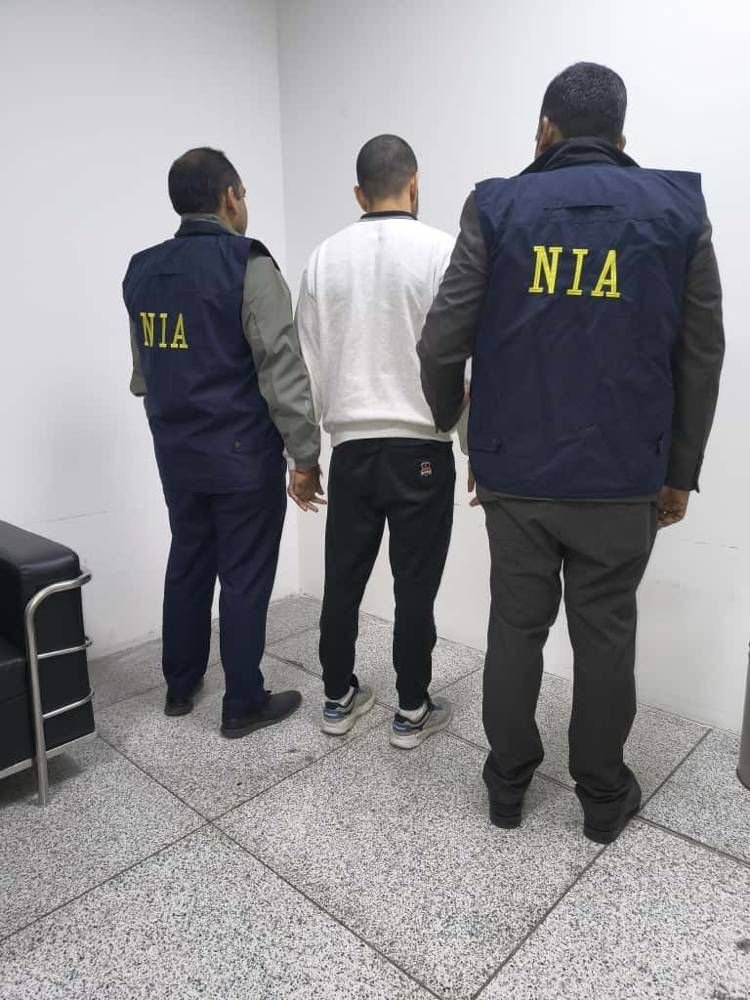
Recently in November 2025, Trump administration did deported 200 Indian undocumented migrants including gangster Anmol Bishnoi and two fugitives wanted in Punjab state of India. Flight headed to India, Delhi airport. Authorities said Bishnoi accused in the murder of former Maharashtra minister Baba Siddique will be taken into custody by the NIA immediately upon landing at IGI Airport. The India’s National investigation agency (NIA) arrested Anmol Bishnoi after landed in a case registered in 2022 to investigate an alleged nexus between criminal gangs in India and Babbar Khalsa International (BKI), a designated terrorist organisation, to raise funds, recruit youths and carry out terror strikes in the country. Click here to read the report. Anmol Bishnoi is brother of Lawrence Bishnoi, a notorious Indian gangster and former SOPU leader. Lawrence is facing more than 20 cases of attempt to murder, carjacking, extortion, snatching and under Arms Act in Punjab, Haryana, Chandigarh and Rajasthan. Indian Police (Faridkot) had arrested him on March 5, 2015 with foreign weapons in his possession.
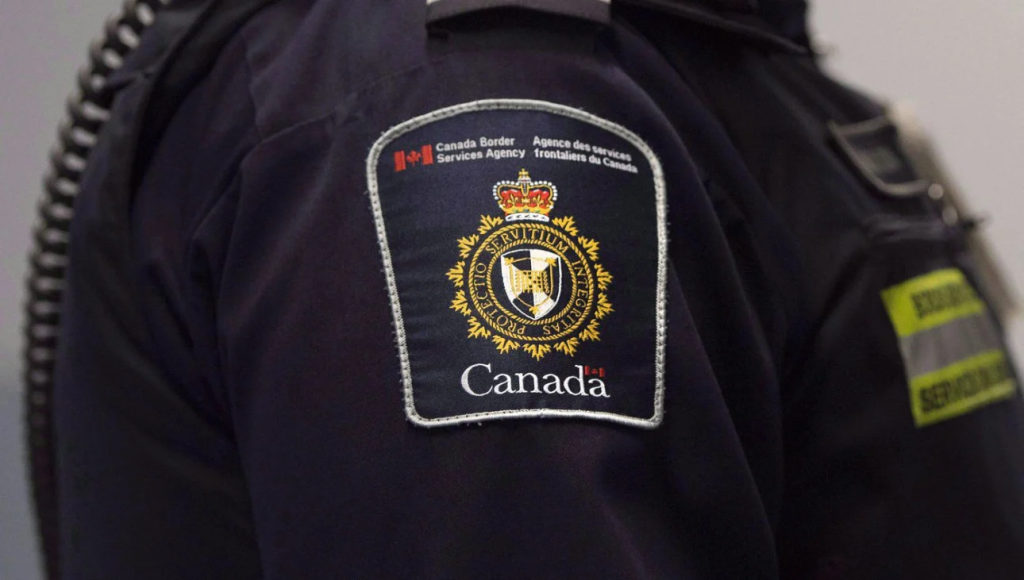
According to a Global News report, even after the arrest and deportation of members linked to the Bishnoi gang, an Ontario family of Indian origin continues to live in fear. The family told the media that they still fear being targeted by the Bishnoi gang they also received threatening voice messages. On 11 December 2025, unknown individuals reportedly opened fire on their house. (Click here to see the report.). Despite deportations back to India, why and how does the Bishnoi gang appear to be growing stronger rather than weaker?
On the same day as the second shooting, Canada border Services agency said, 15 suspects accused of extortion in BC has been declared refugee status holding there deportation procedure atleast temperory.
Hotels in UK – Ireland: Featuring Unwanted ‘Visitors’
The highest number of reported sexual assaults by asylum seekers in Europe frequently occur in the United Kingdom and Dublin, Ireland. According to a report by The Guardian, an Observer investigation uncovered multiple allegations of sexual violence at Home Office hotels, including abuse by both fellow asylum seekers and hotel staff. In one case, a 14-year-old girl was allegedly groomed and raped after being separated from her mother at a hotel housing mostly single men in southwest England. The girl’s mother, speaking on condition of anonymity, stated that her daughter had previously experienced abuse and was “extremely vulnerable.” Click here to read the report.
A similar situation has occurred in Dublin, where a local minor was sexually assaulted by an asylum seeker living in a hotel provided by the Irish Migration Department. Outside the hotel, which is located in a densely populated area, violent protests by local residents erupted. Click to see the video.
According to Ireland’s Rape Crisis Centre (RCC) reports, refugee and asylum seeker survivors are most likely to disclose sexual violence incidents occurring in the abuser’s home (27%) or their own home (22%). A significant percentage of incidents took place in prisons or rebel/government camps (16% and 5%, respectively), or in other outside locations (9%). In 90% of reported cases, the sexual violence was accompanied by other forms of physical violence.

In the United Kingdom, several incidents of sexual abuse of women asylum seekers by staff in Home Office accommodation have been reported. According to Rape Crisis England and Wales, one case involved Lana, an Iranian woman who fled death threats in her home country and was later abused by a staff member in UK accommodation. The man falsely claimed to be a manager, gained her trust after she reported harassment by another staff member, and exploited his position to emotionally manipulate and coerce her into an abusive relationship.
Despite her formal complaint and the perpetrator’s temporary suspension, the Home Office reportedly took no further action, stating it was “her word against his.” He was allowed to return to work and continued targeting other women. According to Rape Crisis data, 14% of incidents perpetrated against female refugees and asylum seekers resulted in pregnancy, and of those, 67% are now parenting the child.
As per report published on 14 Sep 2013 in The Guardian media mentioned that, ‘Yarl’s Wood is run by Serco under contract from the Home Office. Earlier the company paid an undisclosed sum to a 29-year-old asylum seeker from Pakistan who claimed she was sexually assaulted by a nurse at Yarl’s Wood, although the company did not admit liability. But the shocking detail of the latest allegations is likely to trigger a full-blown inquiry into the running of the centre.’ (Click here to read the report.)
The investigation comes after the company was forced to disclose a secret internal report revealing evidence that it failed to investigate properly a claim of repeated sexual assaults by one of its staff against a female resident at Yarl’s Wood immigration detention centre. (Click to read the report.)
Meanwhile, the Financial Times reports that Serco has been awarded a £520m deal to continue operating the Northern Rail Franchise, despite the company that time period was still being under investigation by the Serious Fraud Office for alleged overcharging on electronic monitoring contracts.
According to the National Audit Office, the paper adds, Serco is one of four big outsourcing companies (along with G4S, Atos and Capita) that hold ‘contracts worth £6.6bn in year 2013, ranging from running prisons to training RAF pilots.’ In 2020, Serco was awarded a 200-million-pound contract by the Home Office to run two other immigration removal centres in the UK: Brook House and Tinsley House immigration centres. (Click here to read the report 1, 2, 3)
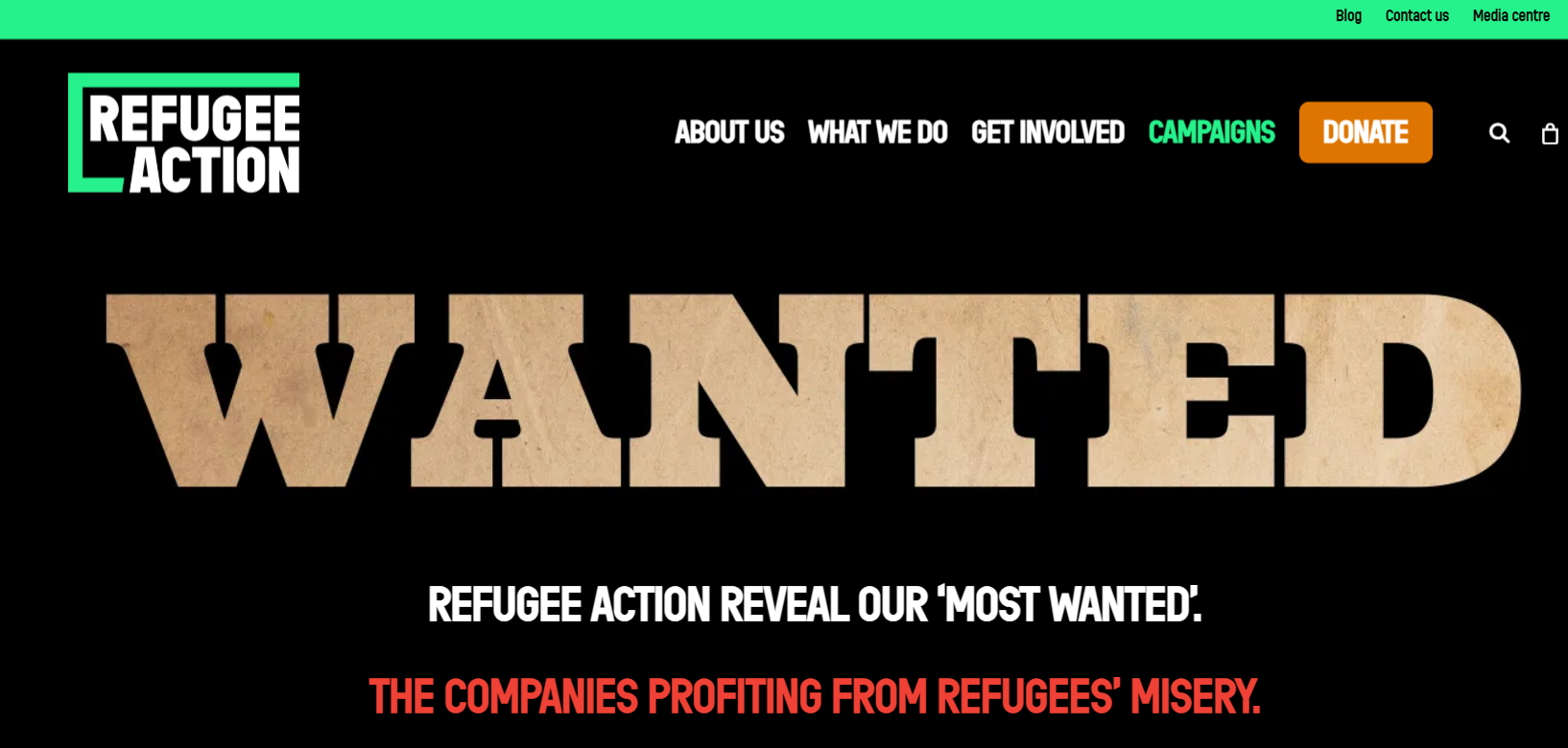
As per Refugee action UK organisation report, In July 2023 the government stated that the asylum system currently costs the UK some £3 billion a year and rising. Serco’s 2023 half year results state that revenue increased by 13%, or £294m, to £2,472m (2022: £2,178m). Underlying operating profit increased by 14%, or £18m, to £148m (2022: £130m). (Click here to read the report)
As per UK Home Affairs Committee fourth session of report 2024-26, ‘The expected cost of the Home Office’s asylum accommodation contracts for the ten years between 2019–29 has more than tripled, from £4.5 billion to £15.3 billion. (Click here to read the report.)
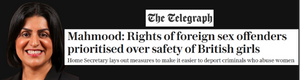
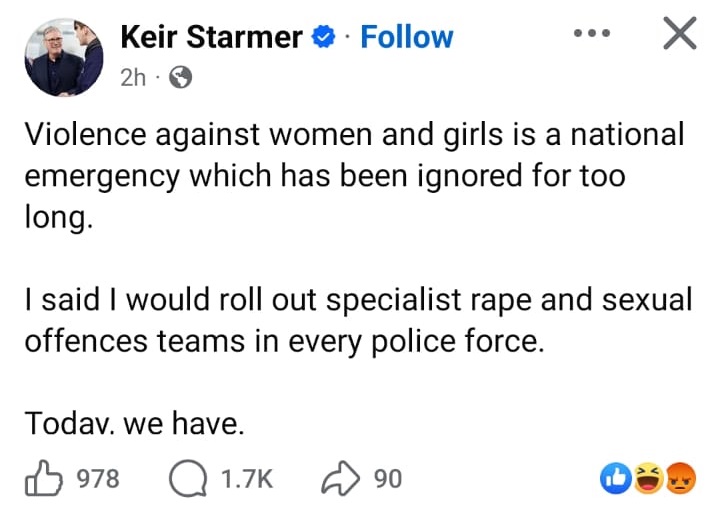
Recently, following the sexual assault of a teenage girl by Afghan migrants and the resulting anger across the UK, Home Secretary Shabana Mahmood stated on Sunday that she is considering reforming human rights law to allow the deportation of foreign sex offenders. However, years of reports and investigations have already shown that no concrete programmes have been implemented to educate first-time asylum seekers and undocumented migrants about how to behave toward women and the legal consequences of sexual violence. Helvilux attempted to contact the Home Office for a response, but received no reply on the matter.
If this gap has long been known, why has it not been addressed as part of the solution? Women, especially teenage girls are not guinea pigs for social experiments, nor should their safety be compromised until public anger reaches a breaking point, prompting reactive political statements about “tough action” by the Home Office.
A recent High Court judgment in the United Kingdom has once again exposed failures by the Home Office. As reported by The Guardian, Mrs Justice Jefford ruled that the Home Office failed to protect vulnerable migrants, finding that systems meant to prevent inhuman and degrading treatment had been unlawfully failing for years (Click to read the report).
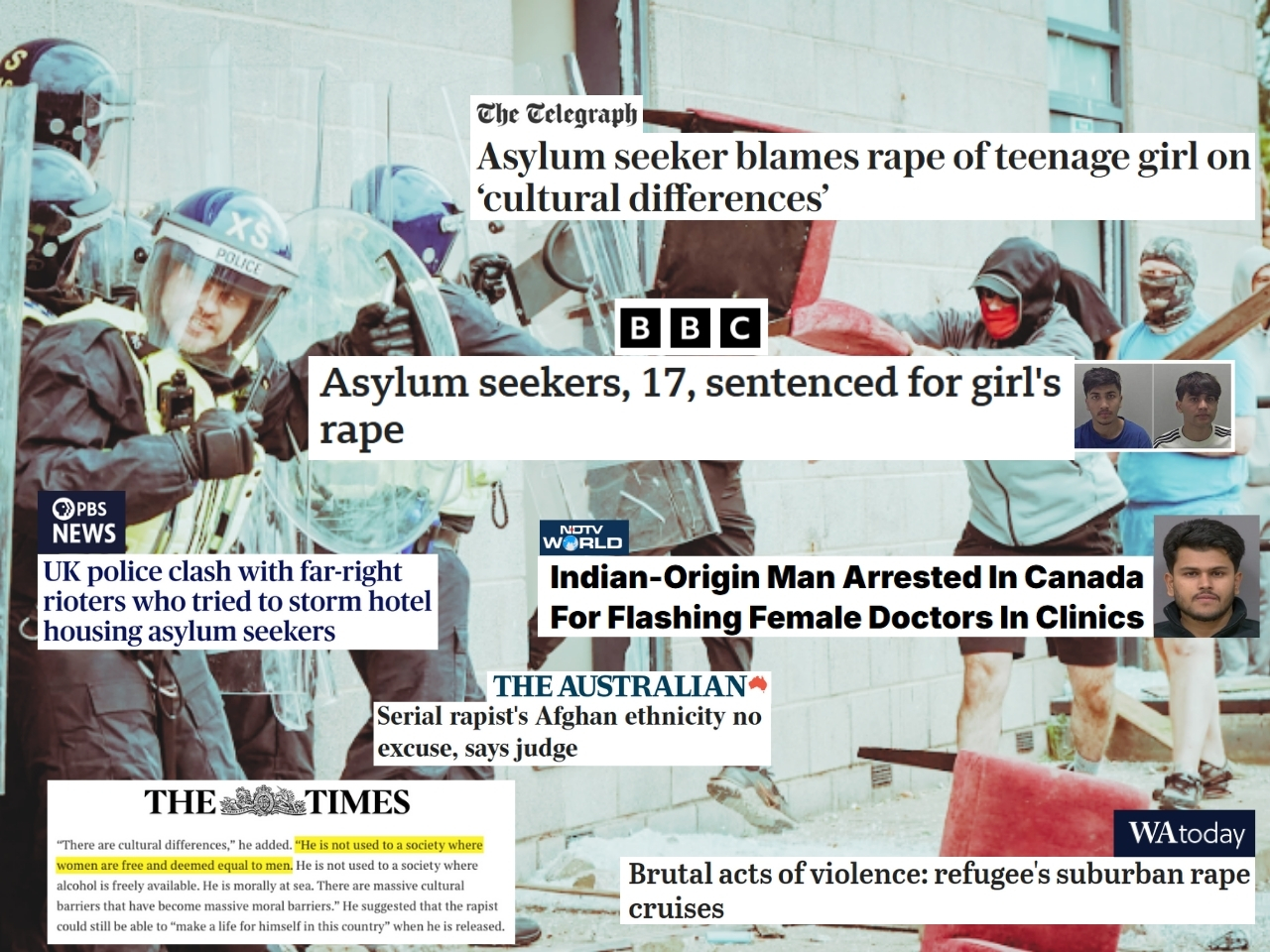
A local Dubliner, speaking to Helvilux on condition of anonymity said, “Over the past few months, we have seen a large influx of asylum seekers from India and Pakistan. We have heard multiple reports of asylum seekers misbehaving or attempting to assault underage girls under the guise of friendship, later claiming it was a ‘cultural misunderstanding.’ What is the government doing to address this? Local anger is growing, with violent protests near hotels housing asylum seekers and police arresting demonstrators. As a result, public hostility and resentment toward undocumented migrants and asylum seekers are increasing in Ireland.”
She also added, “Some migrants even show attractive news articles from Indian and Pakistani media highlighting how easy it is to obtain a passport and settle in Ireland.”
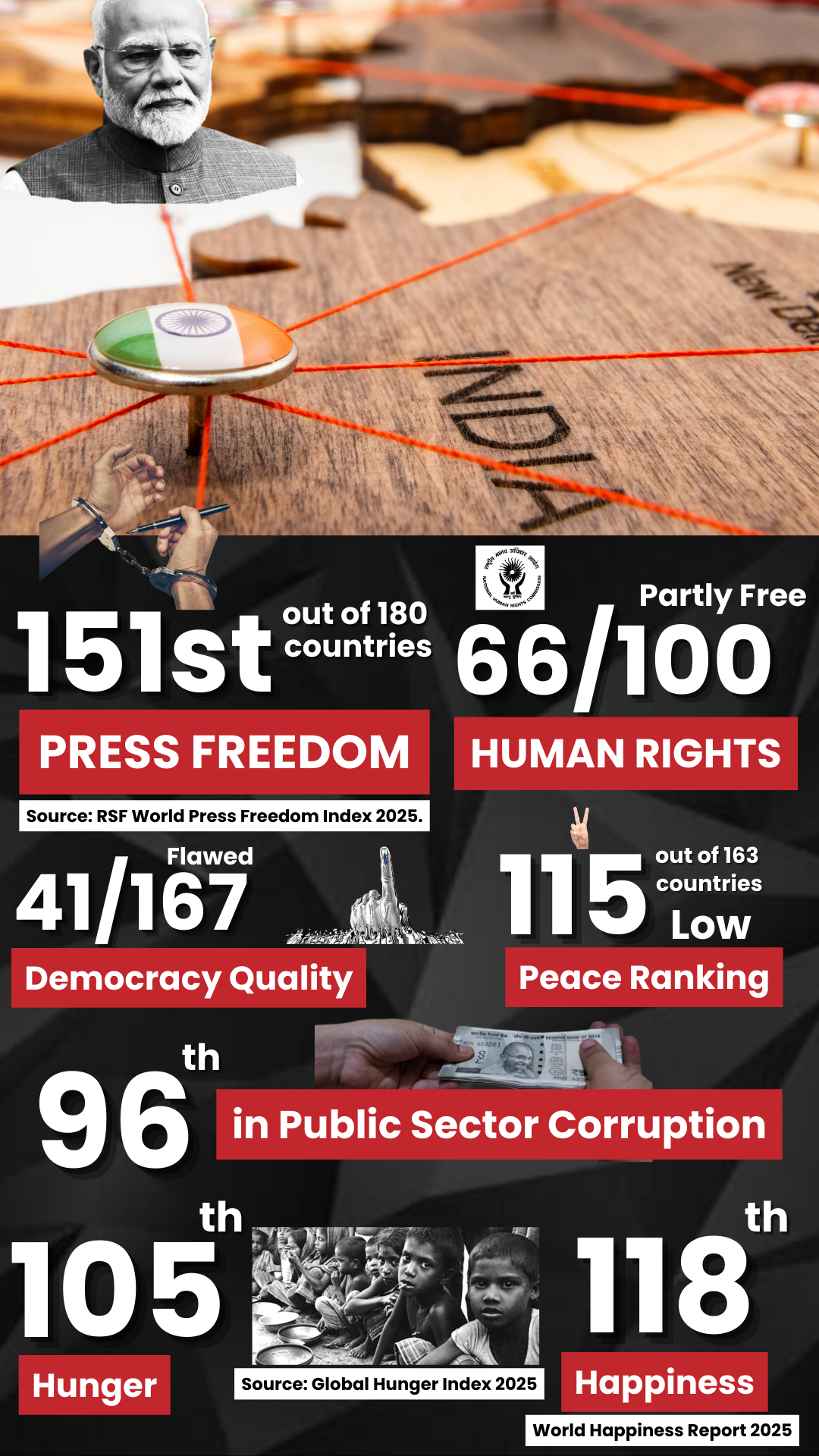
Unfortunately, same media rarely report on the reasons Why their citizens are leaving or the current civil crises in India and Pakistan. According to the 2025 Reporters Without Borders rankings, India ranked 151st and Pakistan 152nd out of 180 countries, reflecting severe challenges to press freedom.
Hidden Trauma, Visible Threat: Unaccompanied Boys and the Risks in Italy

In Italy, according to a 2018 report by the Women’s Refugee Commission, Tunisia and Eritrea were the top countries of origin for new arrivals. The large majority of unaccompanied children arriving in Italy are adolescent boys, frequently fleeing family strife or violence. Of 720 unaccompanied and separated children (97% boys) interviewed in Italy in 2016 and 2017, nearly one in three reported leaving their home country due to violence or problems within the family; for children from The Gambia, this figure rose to almost half (Click here to read the report).
A 2018 UNICEF poll found that 73% of 244 male refugee and migrant youth in Europe fled due to armed conflict, poverty, or violence. According to the report, child protection officers frequently encountered accounts of sexual contact between boys and adult men in their countries of origin:
“Moroccan, Tunisian, but also Eritrean and West African and even Egyptian boys men and boys having sex is [normalized]. They will say, ‘My first experience was when I was dancing at a birthday event and there were a lot of men there and that was my first sexual experience.“
![One program officer also reported in Women's Refugee Commission report that, “Most of the sexual abuse [of gay refugees and migrants] was related to their life in Africa. Many were abused by people inside the family, like an uncle. They relate to that, saying that is how they became gay. They say, ‘I became gay because my uncle was raping me.’ … If we go deeper into what they are saying, there is a lot of confusion.”](https://helvilux.lu/wp-content/uploads/2025/12/One-program-officer-also-reported-in-Womens-Refugee-Commission-report-Helvilux-1024x178.png)
These findings highlight that many unaccompanied male refugee youth have experienced sexual abuse and trauma back in there home country raising concerns about the potential risks of similar harmful behavior occurring again, this time affecting women and minors on European countries.
Unsafe Abroad, Unsafe at Home
Women travellers, including from the West, sometimes face safety risks when visiting various countries abroad. For example, there have been reported cases of assaults on foreign tourists in several nations, including India, the place were cows are considered sacred as mother, a French woman was raped in Rajasthan this year, a Spanish couple was attacked in Eastern India in 2024, in October 2023 a Swiss women was found chained, suffocated and dumped near a Delhi School, an Israeli tourist was gang-raped by a homestay host in central India, a Danish tourist was gang-raped in 2014, and a Swiss tourist was raped in Madhya Pradesh. At that time Swiss foreign minister even expressed that he said it is “profoundly shocked” after a Swiss tourist was gang-raped in the central Indian state of Madhya Pradesh, calling it a “tragic incident”. Similar cases occur in other countries where western womens face mistreatment and sexual abuse were the victim till present day never get justice. (Click here to read all the report. 1, 2, 3, 4, 5, 6, 7, 8).
Recently, a video went viral showing a Pakistani driver in Canada making threatening remarks to a local female passenger. He allegedly said, “If you were born in Pakistan… you must have been kidnapped by me,” and then added, “Since you are in Canada, I cannot touch you.”
At the same time, reports indicate incidents involving some individuals seeking international protection or migrants in Western countries. This highlights the importance of effective integration and prevention measures to ensure safety for all residents. This underscores the urgent need for local authorities to take strict action, strong and effective protection measures are the only hope women currently have to feel safe in their own communities.
Women Not Safe in the Aircraft
A 15-year-old girl traveling with her family on an international flight from Mumbai to Zurich was sexually assaulted by a 44-year-old Indian businessman seated nearby, who was en route to Belgium for a business trip via Zurich. The minor quickly alerted her family, and with the intervention of the air hostesses, the accused was separated and kept in another section until the plane landed, after which he was handed over to the Swiss police. In court, the accused confessed, claiming he “couldn’t control himself” as the child had been sleeping next to him during the nine-hour flight. He was detained in a Swiss prison for several days, convicted by the Bülach District court for sexual assault, and subsequently deported back to Delhi. He was given a suspended sentence, a decision that angered some local residents. However, keeping the convicted rapist in a Swiss prison would have placed an additional financial burden on Swiss taxpayers and was not necessarily the most effective option. For this reason, the judge’s decision was appreciated by logical and practical thinkers as a pragmatic outcome.
Following the ruling, Helvilux Media contacted the Indian authorities, urging them to at least take the accused into custody for damaging the country’s reputation and protection of children in india and to revoke his passport so that next time he will not sexualy abuse other minor girls in other countries. As is often the case, the Indian authorities remained silent. Despite thousands of Indian media outlets, the incident was reported by only one or two in India, while it received coverage from multiple international media organizations. Click to read the report.
1 in 3 non-EU workers employed in Italy’s agricultural sector comes from India
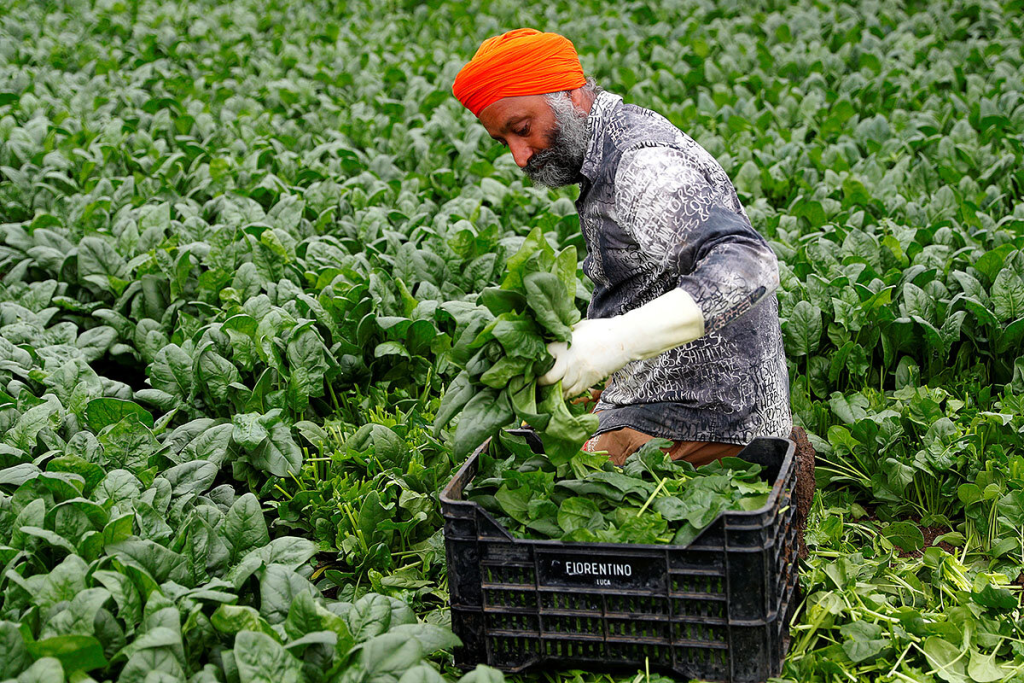
As per report, from India, mostly single men from northern states, particularly Haryana, Punjab, and Jharkhand applying for international protection in Italy, Germany, and the Netherlands and other EU countries. According to an AIDA report, In 2024 around 4,885 Indian citizens applied for asylum out of a total of 158,605 applicants only in Italy. Interestingly, the AIDA page that published the data on how many Indian citizens applied for asylum has since been removed from their website. This once again suggests that there are serious problems in India, while elsewhere there appears to be an attempt to hide or ignore these issues rather than address them openly. A report by the General Directorate for Immigration and Integration Policies of the Ministry of Labour and Social Policies of Italy in one of there report menitoned that, “…it is worth noting that approximately one in three non-EU employees in agriculture sector is an Indian citizen” Therefore, Migration flows, including labour migration from various countries, highlight the need for clear integration programmes upon arrival.
When tragedy strikes, social media ignites, testing the patience of the public
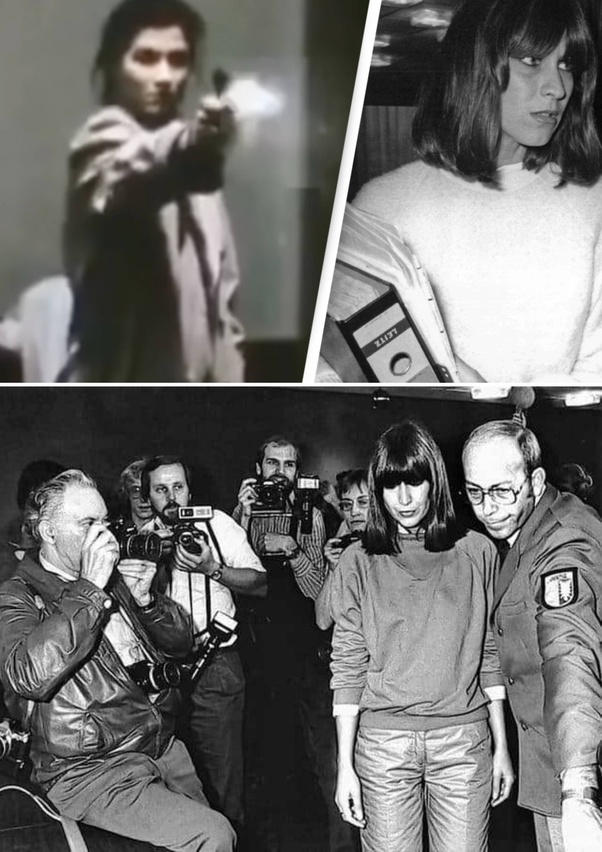
Whenever a rape incident involving a woman or a minor occurs, social media reacts very quickly. In such cases, the 1981 Lübeck, Germany, story of Marianne Bachmeier often goes viral. Her seven-year-old daughter, Anna, was raped and murdered, and during the murderer’s court trial, Bachmeier shot and killed him inside the courtroom (Click here to read the article). The case sparked widespread public debate in Germany about justice, grief, and vigilantism. Today, posts and videos related to this case frequently resurface on social media, creating intense debate and at times, encouraging a dangerous mindset in which violent action is perceived as justified. Therefore, governments should not underestimate or test the emotions of local communities. Proactive measures are needed to prevent further incidents that could trigger social unrest or loss of public trust.

An Italian social worker working at an asylum camp in the Province of Avellino told Helvilux: “During Italian Prime Minister Giorgia Meloni’s official visit to the Gaza Peace Summit, Turkish President Recep Tayyip Erdoğan reportedly advised her to quit smoking while complimenting her appearance. On another occasion, two years earlier, ahead of her visit to India for the G20 summit, photos and videos of her with Indian Prime Minister Narendra Modi were widely circulated on social media by supporters of the ruling BJP party. These posts were accompanied by misleading, romanticized rumors and memes suggesting a personal relationship, often framed with slogans such as ‘Meloni loves Modi.’ “couple on stage”. One video contrasted Modi’s interactions with other women and selectively edited clips of Meloni with him, set to romantic music, implying favoritism. Such memes can sometimes cross boundaries of respect in social media, highlighting the need for awareness of gender equality norms globally. If a prominent woman European leader can be subjected to such treatment, one can only imagine how ordinary European women may be treated worldwide.” (Click here to watch the videos 1, 2).
It is worth noting, recently in Epstein files release Modi name was also there. Jeffrey Epstein Offered to Set up Meeting with Modi and Ex-Trump White House Chief Strategist Steve Bannon. Click to read the report.

Indian media rarely cover serious civil issues, and Prime Minister Narendra Modi has not held a single formal press conference in his eleven years in office since 26 May 2014. Yet, both mainstream and social media widely circulated stories portraying Giorgia Meloni and Narendra Modi “as a couple on stage.”
At the same time, content supportive of Prime Minister Modi and the ruling Bharatiya Janata Party (BJP) is systematically amplified online by the BJP’s IT cell a network of party-affiliated social media workers and supporters who promote narratives aligned with the party’s ideology.
This raises an important question, was the “Meloni loves Modi” narrative organically created, or was it politically orchestrated? If so, was it promoted under the direction of Prime Minister Modi himself, given that only he could credibly clarify or reject such a narrative at an international level? (Click to watch the video).
Responsible Government authorities, organizations and individuals contacted for comments on this topic may still provide their responses, and HELVILUX will publish any updates in this section with a notification. Readers who would like to share their thoughts are welcome to comment below or email us at helvilux@gmail.com.
This is a developing story. Helvilux Media will continue to follow the issue and provide updates and follow-ups as more information becomes available.
Update – 16 December 2025: Helvilux Media requested responses from relevant organisations by 16 December 2025, 18:00, as the article was originally planned for publication on 17 December. Due to the urgency of the topic and ongoing incidents affecting women’s safety, the editorial team decided to publish the article earlier on 16 December. Some organisations had several days to respond but did not provide an acknowledgement; any later responses will be added as updates.
Update – 16 December 2025: Caritas Switzerland contacted Helvilux Media today and provided valuable information on how asylum seekers in the Canton of Zurich participate in the Swissinfo integration workshop. The article has been updated accordingly.
Update – 16 December 2025: The Media Spokesperson of the FDJP, SEM, contacted Helvilux Media to clarify that a previously published link on their website is no longer active and has since been changed but the article is still present in there website. For readers’ information, the updated link has been added to the article.
Update – 16 December 2025: The Directorate of Communication of the Cité policière Grand-Duc Henri (Luxembourg) contacted Helvilux Media and informed us that they will soon provide additional information related to the protection of women and children. Once received, this information will be published in the article for readers’ reference.
Update – 16 December 2025: Anna Schmid, the spokesperson of the Sans-Papiers Anlaufstelle Zürich, contacted Helvilux and provided additional information on safety and other concerns of undocumented women in the canton of Zurich, which was included in this article.
Update – 16 December 2025: ASTI a.s.b.l. spokeperson Sérgio Ferreira expressed concern over Helvilux's deadline not being met as the article was published one day in advance. While they have taken note of this, they have not yet provided an opinion on the safety of local women and children in Luxembourg. We are awaiting their response and will update the article once received.
Update – 16 December 2025: Nadia Sambuco, Media Spokesperson and Specialist in Information & Communication at the Integration Department of the Canton of Zurich, provided information to Helvilux, which has been updated in the article.
Update – 16 December 2025: Serco, the company responsible for asylum care and integration in the UK, provided their response to Helvilux Media. The article has been updated to include this information.
Update - 19 December 2025: Samira Marti, Member of the National Council of Switzerland (SP), was contacted by HELVILUX as time to time she has publicly expressed positions on gender equality, violence against women, asylum and integration policy, and social security, as reflected in her parliamentary work. Once we receive her response by 9 January 2026, we will update the article accordingly.