
Inside a Strange Spending Choice Amid Serious problems in SHU CPA Kirchberg
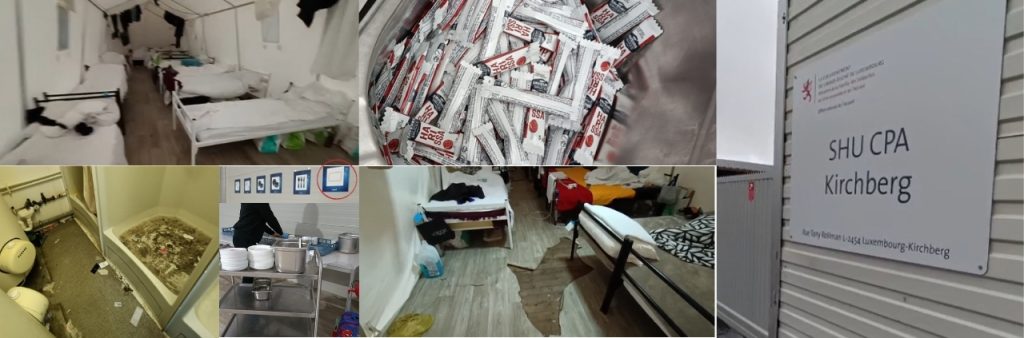

Luxembourg (Helvilux) – In the heart of Europe’s ongoing migration crisis, Luxembourg, a pint-sized powerhouse with a population of just 672,000 finds itself grappling with outsized pressures. In 2023, ranking fifth in the EU for asylum applications per capita, the Grand Duchy welcomed over 2,800 new claims in 2024 alone, swelling its reception facilities to bursting point. It is within this already strained system that new questions are now emerging most unexpectedly over the daily distribution of unlimited Harissa sauce at one of the country’s main reception centres.
The saga ignited earlier this year when major outlets, including RTL Today, spotlighted subpar amenities in ONA-managed sites think leaky roofs, scarce medical access, and privacy-shredding torn curtains.
This year in recent months, national debate over conditions in the country’s asylum camps intensified after major media outlets revealed shortcomings in basic amenities. Human Rights Commission accuses government of failings while interior minister defends situation but acknowledges room for improvement.
Home Affairs Minister of the Interior Léon Gloden at a press conference rejected the allegations over migrant’s center conditions, stating that

Interior Minister Léon Gloden rejected this assessment, insisting that the temporary structures at Luxexpo’s Hall 6 are acceptable and that renovation of sanitary facilities is ongoing. While both Gloden and Immigration Director Jean-Paul Reiter acknowledged the need for a permanent location, no timeline was provided.
The government continues to promote voluntary return as a central part of its immigration policy, offering between €3,000 and €6,000 to those who choose to leave Luxembourg, with support from the International Organisation for Migration. Yet despite policy updates and financial incentives, the CCDH’s warnings add to a broader pattern. Luxembourg’s reception infrastructure remains under pressure, and criticisms of living conditions are becoming harder for officials to dismiss.
But now new findings by the Helvilux Media Investigative Team reveal a contradiction that leaves many taxpayers perplexed. This time, the issue does not concern the “Maison de retour” deportation facility but the first point of arrival for asylum seekers the SHU CPA transit Centre in Kirchberg, located at Rue Tony Rollman.
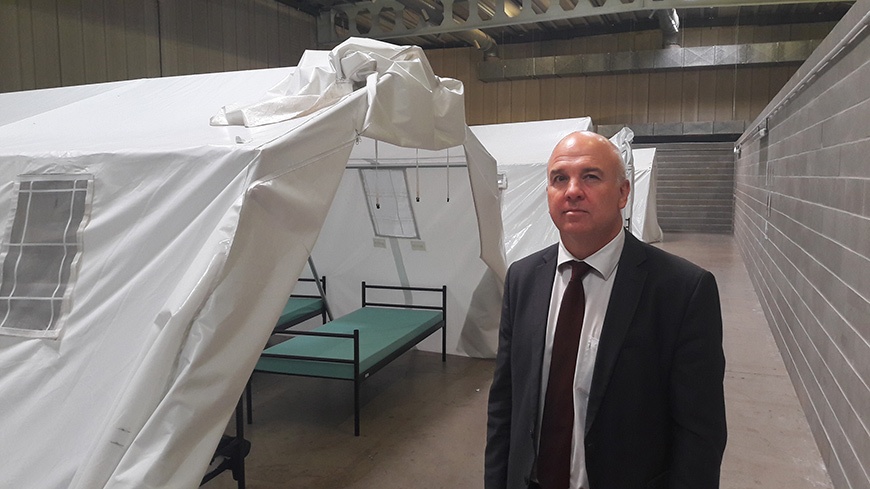
Inside this asylum facility, the sanitary conditions and insulation are extremely poor. 40+ tents are set up within the center, and each tent houses around 12 people, leading to severe overcrowding and discomfort. No privacy at all. Sometimes also both genders are in same tents even when they are not a family.
Despite broken sanitary facilities, poor insulation in several shelters, and reports of cold meals, the center continues to provide unlimited 5-gram sachets of Harissa sauce, a product with no clear cultural link to Luxembourgish or broader European cuisine, served every day with both lunch and dinner.
Unlimited Harissa, Limited Basic Necessities
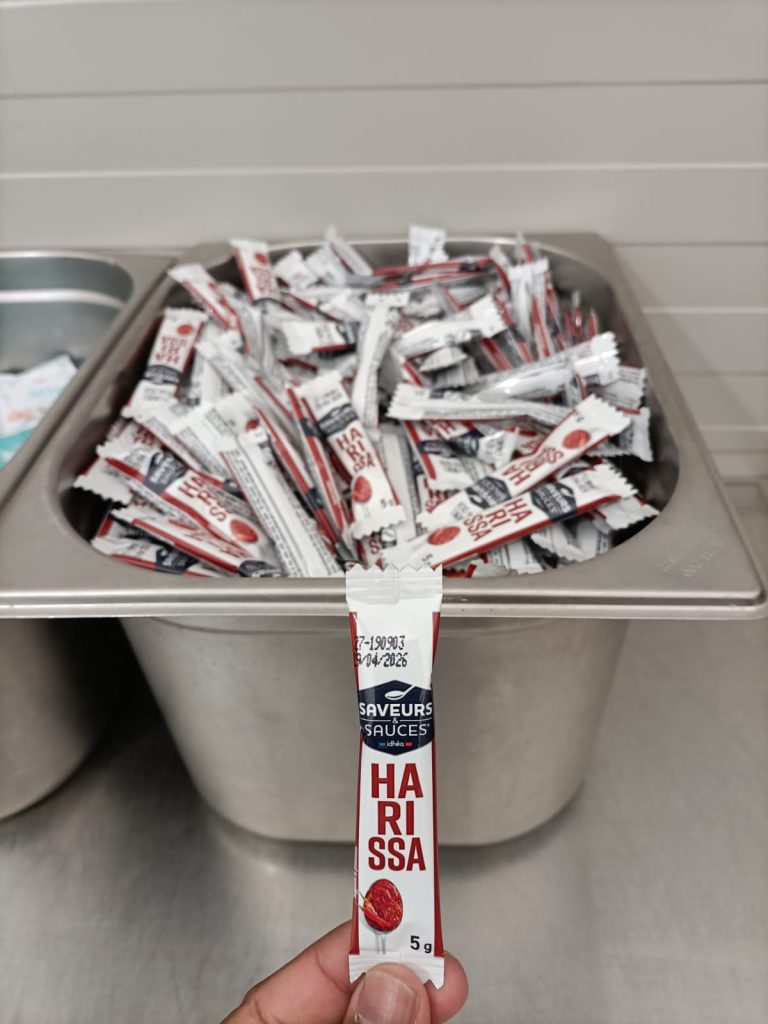
Speaking on condition of anonymity, sources within the SHU CPA facility center told Helvilux that all residents (which includes asylum applicants, rejected applicants, individuals awaiting deportation, or irregular migrants) are provided with Harissa sauce “without limitation.” While condiments such as ketchup, mustard, mayonnaise, vegan sauce, salt, pepper, as well as 5 varieties of tea, coffee, and biscuits are all available unlimited, self-service quantities. Helvilux notes that Harissa stands out not only because it is offered without limit, but because there appears to be no cultural, nutritional, or financially justified reason for taxpayers to fund its daily distribution.
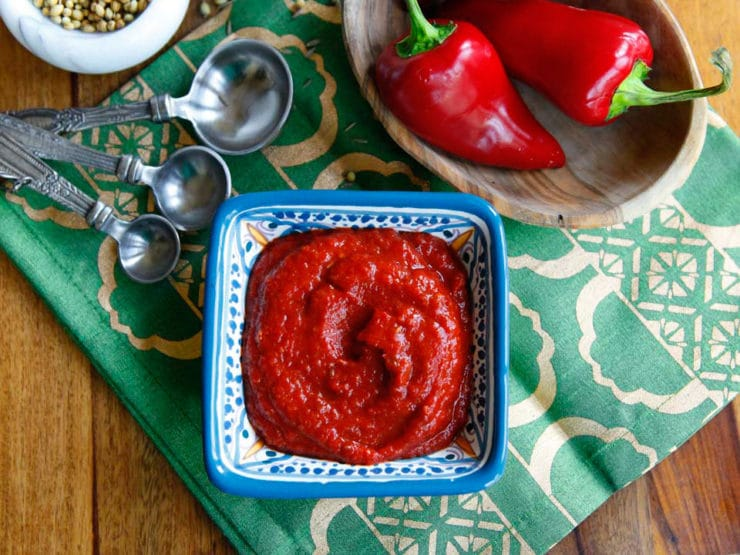
What Exactly is Harissa?
Harissa is a North African chili paste made from peppers, spices, garlic, and olive oil. It is widely used in Tunisia, Algeria, and Morocco and has become popular in certain Middle Eastern and European fusion cuisines.
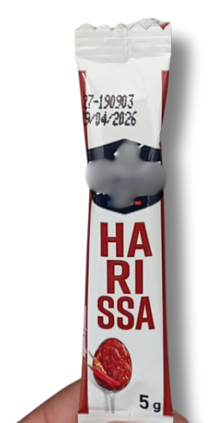
However, Harissa has no established role in Luxembourgish culinary tradition. It is neither a staple in local kitchens nor a customary condiment in European refugee integration policy. Its presence as a free-flowing item in an asylum camp buffet cannot be justified on cultural grounds. Any claim that Harissa aids “integration” would be difficult to substantiate given the lack of connection to Luxembourgish food culture.
This detail might seem trivial at first glance, but it raises a critical question:
Why is the National Reception Office (Office national de l’accueil or ONA) spending additional taxpayer money on an optional condiment when essential infrastructure remains in disrepair?
Several asylum seekers from SHU CPA Kirchberg facility center spoke with Helvilux on the condition of anonymity, describing daily life inside the SHU camp as “humiliating” and “inhuman.”
One africian origin asylum seeker said, “Every day the dinner is served cold. We are thankful that we have five different types of tea available from morning until night, but dinner is always the same, cold salad and nothing else. The portion is small, and we feel ashamed to ask for more food.”
Another resident described the basic struggle of simply collecting a meal, He said, “There are no trays for anyone. While on the wall it shows a space for Tray but Tray is not provided. To take our food, we have to hold tissues, a spoon and fork, a glass, and the small buffet plate all at once. Women and children often drop their food on the ground because it’s impossible to carry everything properly. The way the food is served, having to juggle everything in our hands, makes us feel like beggars. If trays were provided, we could carry our plate, cutlery, and glass respectfully and place them on the table like normal people. But yes, we have unlimited sauces, which we use only because the evening cold dinner itself is not good.”
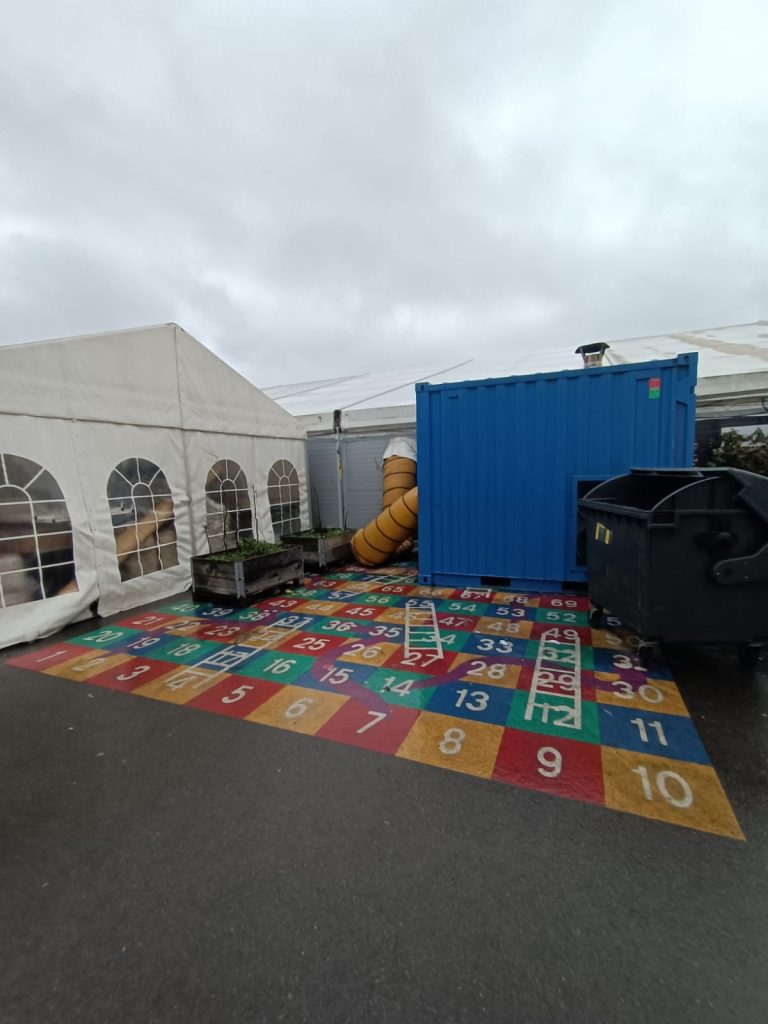
The play area looks inviting, yet the heater installed just above it seems questionable… perhaps more decorative than truly effective.
A Venezuelan asylum seeker described far harsher conditions beyond the dining area. He said, “We don’t care about the sauces at all. The sanitary facility is so bad we can barely breathe while going for toilet or shower. At night, the insulation barely functions in the tent. All tents are overcrowded with 12 people each, offer almost no privacy. Because of the poor insulation, the heating is insufficient, leaving residents unable to sleep properly.”

When Helvilux approached several Ukrainian refugees, mostly teenagers living in the same camp, they declined to speak openly about the conditions. One eventually admitted, “The food at dinner time is not good, but I don’t want to say more. I don’t want to go back to Ukraine.”
Multiple residents in facility center, speaking anonymously for fear of reprisals, described broken toilets and showers with floors regularly flooded with wastewater, a complete lack of mirrors, torn or missing shower curtains offering almost no privacy, and tents so poorly insulated that heating fails to keep out the bitter winter cold.
These conditions starkly contrast with the state’s apparent willingness to purchase and distribute unlimited Harissa Sause. As one resident put it, “If they want to show they care, they could start by fixing the bathrooms, not giving us more spicy sauce.”
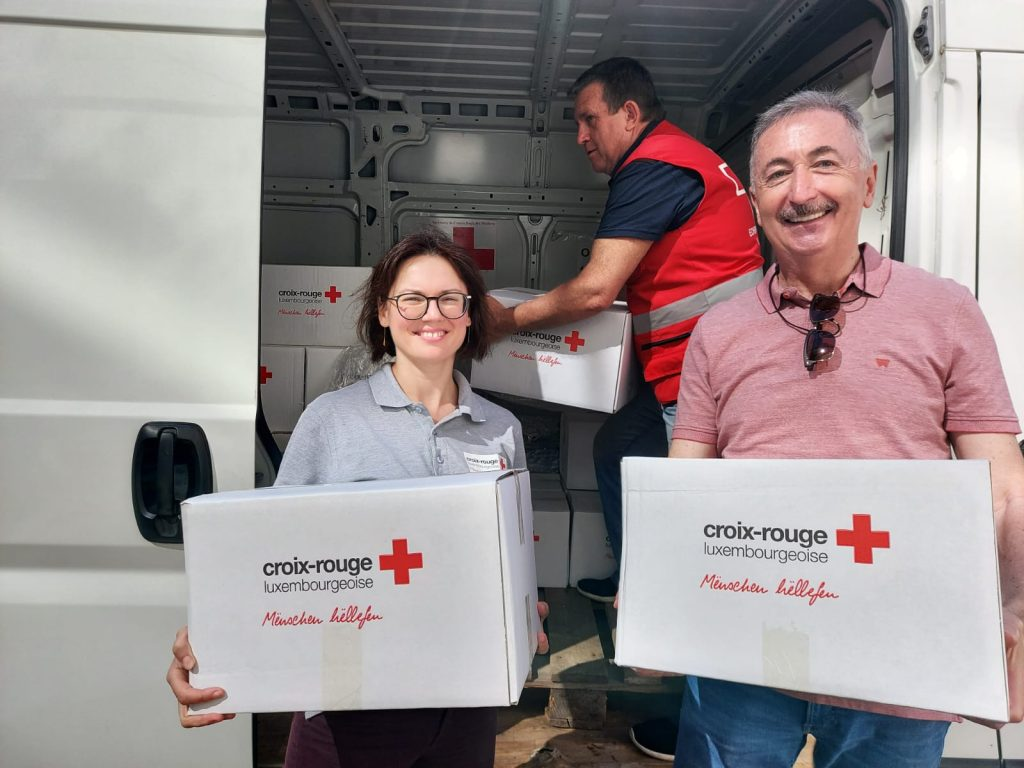
According to some residents, even the Croix Rouge Luxembourgeoise (Red Cross Luxembourg) social workers are aware of the situation and try to help where they can, but some problems are simply beyond their capacity to resolve.
Despite the difficult conditions inside the facility, several asylum seekers mentioned that most of the social workers are kind and genuinely try to help. They added, ”Staff members assist with translation, provide extra free clothing for needy peoples, arrange lockers to protect personal belongings, help with organizing medical appointments, help coordinate access to psychological support and even ensure that families receive baby food when needed. While the structural problems of the camp remain unresolved, many residents emphasized that the frontline workers do their best within the limits of what they can control.
Yet history whispers caution
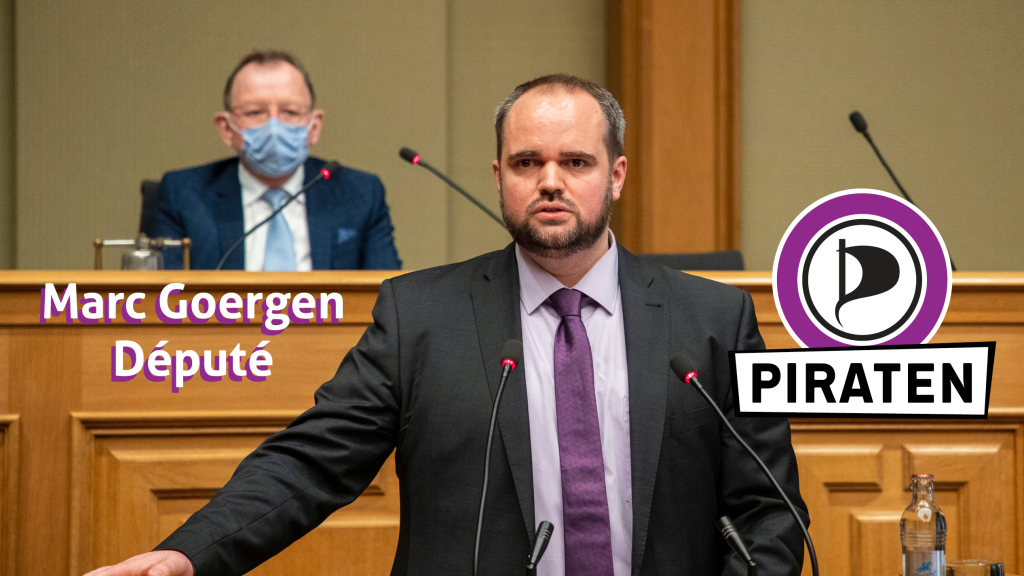
Recall the 2015 refugee influx, when ONA (then OLAI) awarded €207,000 in contracts to the Pirate Party for the Mobile Assisted Language Tool (MALT) app.
The Harissa question comes at a sensitive time for the Office national de l’accueil (ONA), which manages Luxembourg’s asylum centers. The institution is still entangled in the MALT translation app affair, a case that originated during the 2015 refugee crisis. a multilingual lifeline for Arabic speakers learning Luxembourgish. The project, meant to bridge tongues in crisis, now reeks of scandal. The irony? Funds for a “integration tool” vanished into thin air, much like scrutiny over today’s expenditures.
The European Public Prosecutor’s Office (EPPO) is expected to complete its investigation by the end of the year. Pirate Party MPs Marc Goergen and Sven Clement, along with a private company were involved in awarding contracts worth €207,000, of which the party received around €135,000 for developing the Mobile Assisted Language Tool (MALT). The app was commissioned by ONA.
RTL also raised questions in its coverage, publishing a report “Does the Pirate Party owe tens of thousands in tax funds?” which further intensified public scrutiny surrounding the affair.
Recently Goergen stated that he welcomes maximum transparency.
He said “We look forward to the trial starting next year.”
The MALT case raised long-standing concerns about procurement oversight within ONA. Now, the issue of Harissa spending risks adding another layer of doubt.
Oversight? Spotty at best.
Minister Gloden’s October bombshell that his ministry audits 100 municipalities, 66 associations, and more via “random checks” only, sans full forensic dives have taxpayers reeling.
Instead, the Home Affairs Ministry performs “random checks” spot inspections that do not systematically verify each line of spending. This revelation shocked many taxpayers, especially after it was discovered that a municipality had been funding supplementary health insurance for its staff since 2018 without detection.

If municipalities are only subject to sample audits, then the public is left wondering and ask,
‘Are expenditures at asylum camps like large-scale sauce and other products purchases from third party companies and contractors being meaningfully audited at all?’
And if not, how many similar cases may be slipping through unnoticed? Given Luxembourg’s rising migration-related expenses, the demand for transparency is stronger than ever.
Helvilux Requests Transparency
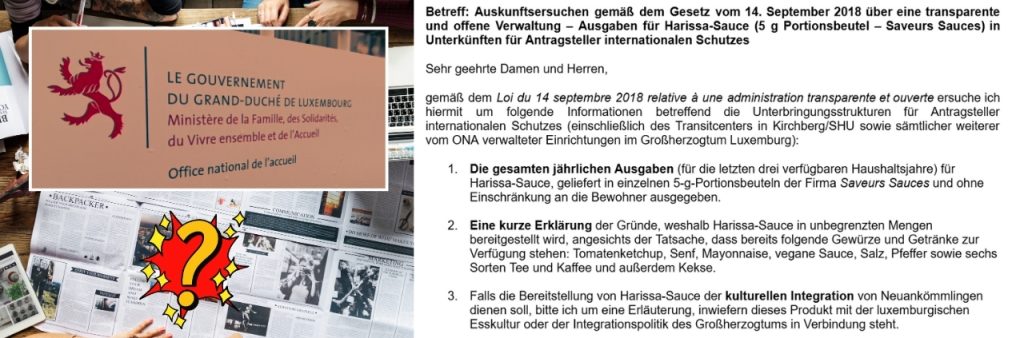
Helvilux isn’t speculating, we’re demanding answers. Pursuant to the Transparent and Open Administration law (Loi du 14 septembre 2018 relative à une administration transparente et ouverte). Our team submitted a formal request to the Office national de l’accueil (ONA) on November 22. It seeks three years’ expenditure data on those 5g Saveurs Sauces sachets, the rationale for unlimited access amid the condiment cornucopia, and any purported cultural tether to Luxembourg’s integration playbook. “In the hypothesis that Harissa aids newcomer cultural integration, please detail its link to Luxembourgish culinary traditions or Grand Duchy policy” we pressed, echoing taxpayer’s befuddlement. With €220 million projected for ONA in 2024 up 22% on security alone amid brawls and thefts every euro counts.
For now, the question remains unresolved,