
Luxembourg (HELVILUX)– In a small country celebrated for its innovative free nationwide public transport system, questions are mounting over why taxpayers continue to fund exclusive private bus services for asylum seekers and refugees. Investigative report from Helvilux Media, backed by the non-profit Helvilux asbl, has spotlighted what critics call an inefficient and opaque use of public funds amid broader pressures on Luxembourg’s migration infrastructure.
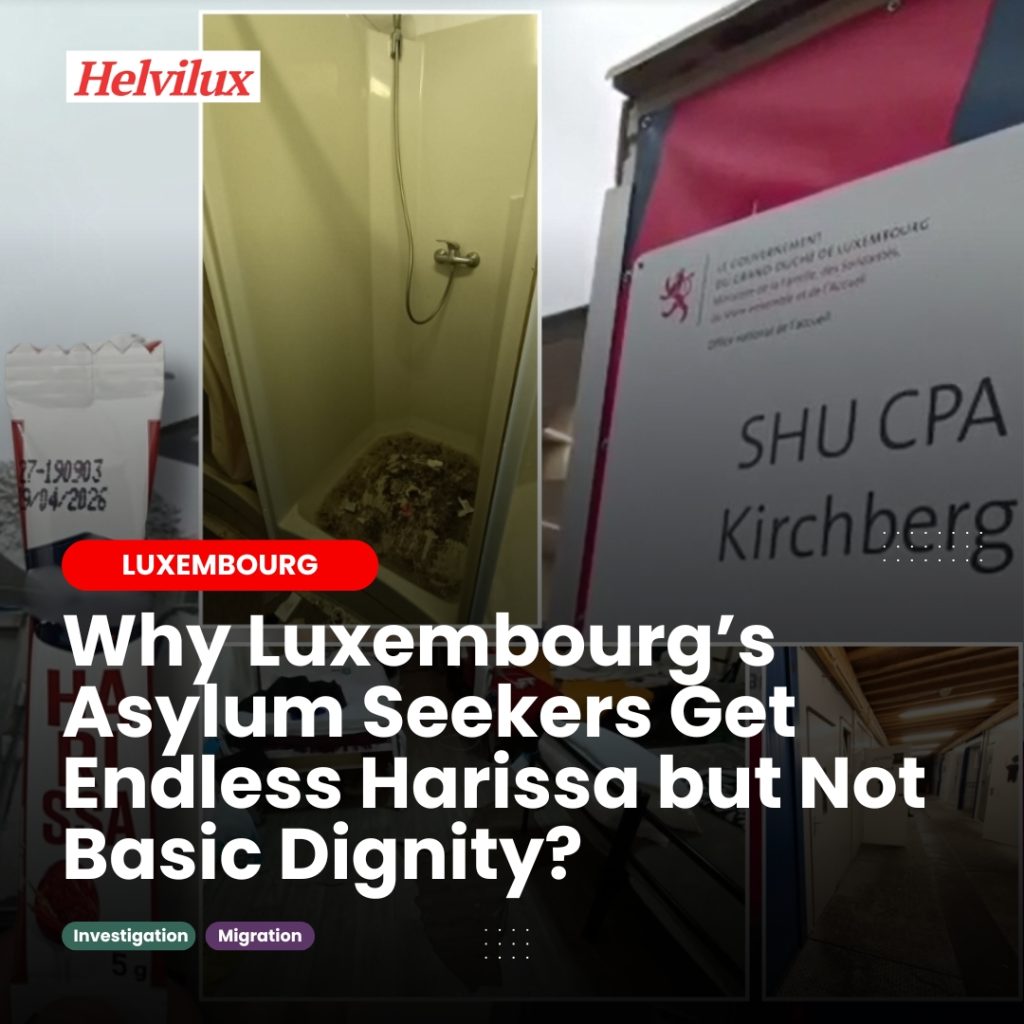
The controversy traces back to late 2025, when asylum seekers and local residents flooded Helvilux with complaints about conditions at the CPA Kirchberg asylum facility (Centre Primaire d’Accueil) including emergency shelters. On November 22, 2025, Helvilux’s investigative team released a detailed report, supported by evidence and photographs, highlighting persistent problems in hygiene, overcrowding and overall living standards. Click to read. Despite the revelations, the Office National de l’Accueil (ONA) the body responsible for asylum reception took no immediate corrective measures. New Year’s celebrations came and went, January passed, and improvements remained elusive.
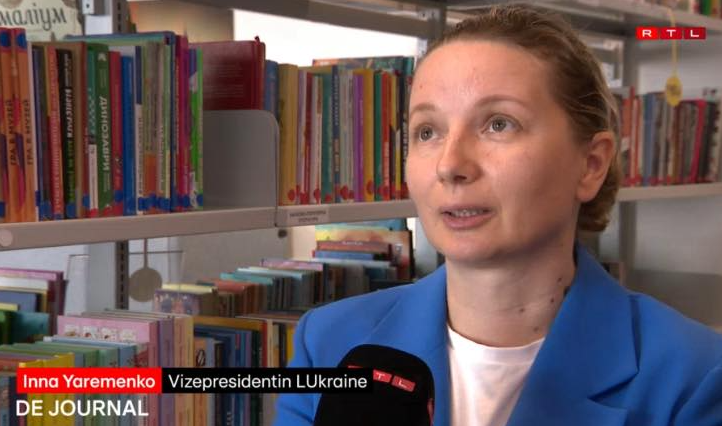
Following recent health issues affecting a ukrainian child due to poor conditions at the CPA Kirchberg facility, the Ukrainian community, through the vice-president of the Lukrain association and also representative of the Ukranian Ombudsman, Inna Yaremenko shared the photos online, raised serious concerns about the quality of asylum reception and facility centers in Luxembourg. This pressure helped bring the issue to public attention, prompting coverage by mainstream media such as L’essentiel and RTL Today. The situation highlights the urgent need for accountability and concrete improvements within Luxembourg’s reception system.
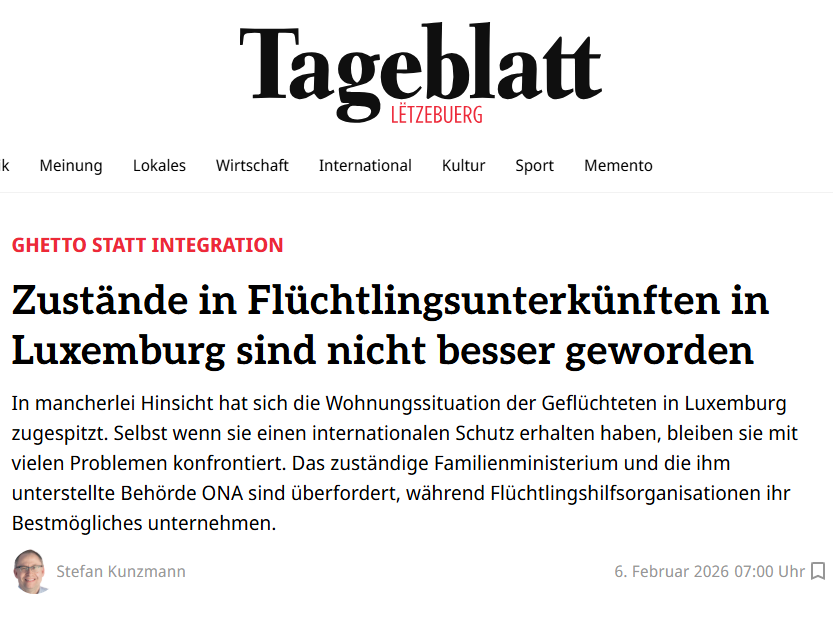
Today, on 6 February 2026, Tageblatt, another respected media outlet in Luxembourg, reported that conditions in refugee shelters across the country have not improved and, in some cases, have worsened. Journalist Stefan Kunzmann wrote that refugees including those who have already received international protection and living in Zolver continue to face overcrowding, lack of privacy, poor hygiene, and prolonged stays in inadequate accommodation.
Aid organisations warn that the Office national de l’accueil (ONA) and the Ministry of Family Affairs are overwhelmed, while residents describe feeling isolated and “ghettoised,” with limited prospects for integration despite attending language courses or working in low-paid jobs. Journalists and NGOs have repeatedly documented broken facilities, overcrowded rooms, and a lack of transparency, with little visible improvement over time.
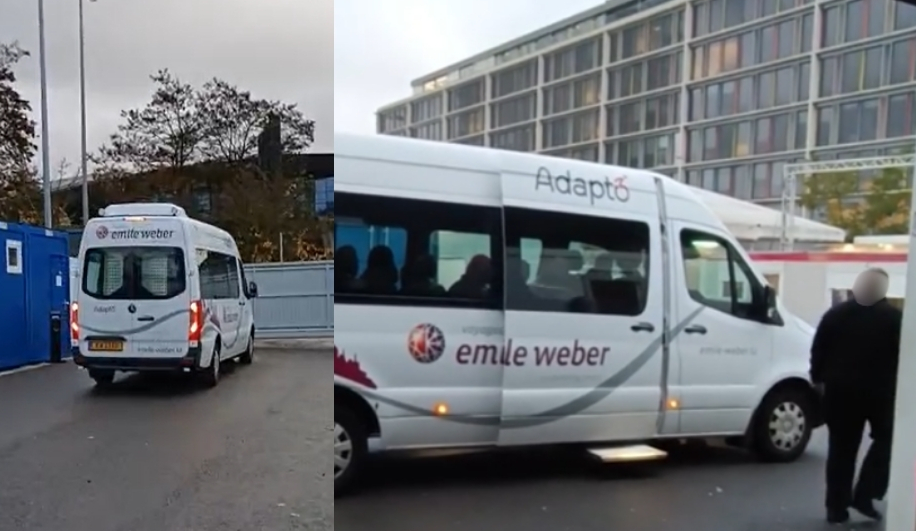
Amid these developments, Helvilux uncovered another layer: the ongoing provision of paid private transportation services specifically for asylum seekers at CPA Kirchberg and other sites. In a nation where buses, trams, and trains have been entirely free for everyone since 2020 regardless of residency status the use of contracted private shuttles to ferry residents to interviews, medical appointments, or administrative locations stands out as anomalous.
Helvilux investigative reporters and organisation members repeatedly contacted the ONA to obtain figures on the annual taxpayer expenditure for these private bus contracts. Responses were either incomplete or nonexistent, fueling accusations of a lack of transparency. Helvilux demands that Minister Max Hahn, who oversees family affairs, solidarity, living together and refugee reception, should direct the ONA to review and potentially halt these extra services. With Luxembourg’s compact geography and reliable free public options, why incur additional costs for a dedicated group?
Rising Pension Pressure, Questionable Public Spending
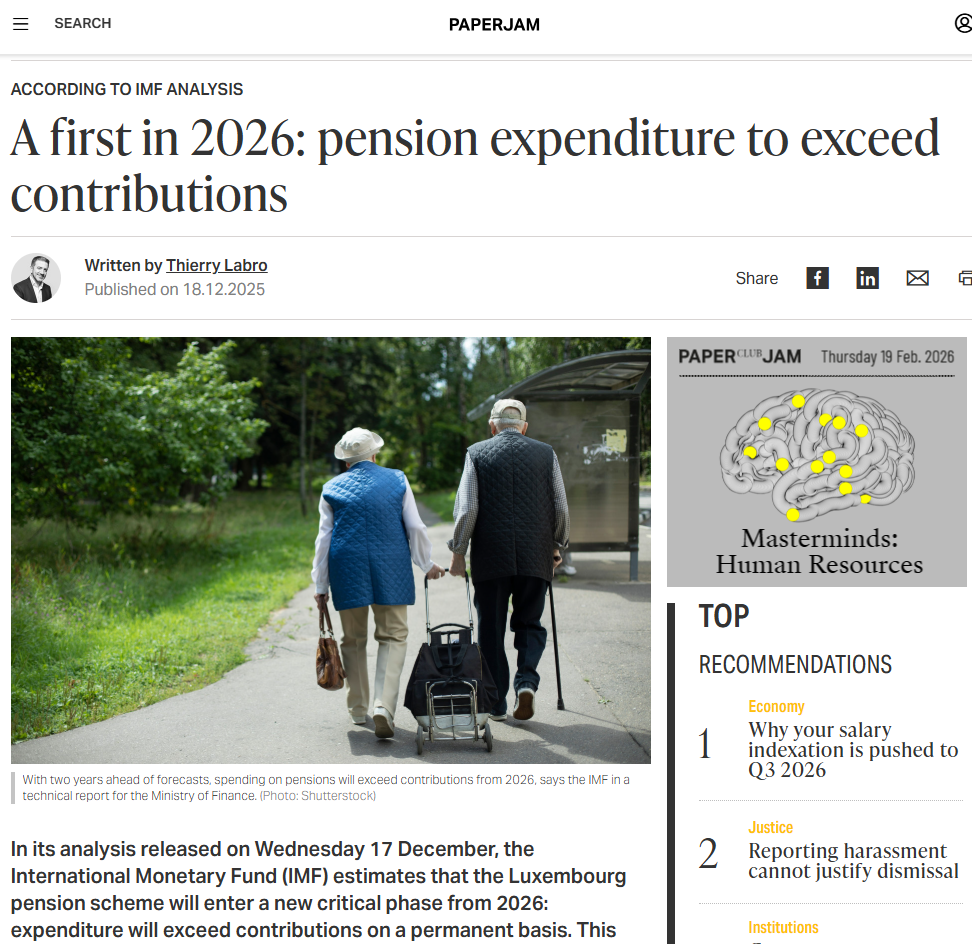
Recently, the editor-in-chief of Paperjam, Thierry Labro, noted in an in-depth article titled “A First in 2026: Pension Expenditure to Exceed Contributions” that, according to an analysis released on Wednesday, 17 December, the International Monetary Fund (IMF) estimates Luxembourg’s pension scheme will enter a new critical phase from 2026 onward, with expenditure permanently exceeding contributions. Also the Ministry of Health and Social Security in there website mentioned about the Pension System Adjustments from 2026. Click here to read
This raises a fundamental question: why is taxpayer money being spent on unnecessary expenses, such as private bus transportation for asylum seekers and refugees, in a country where public transport is already free nationwide?
At a time when working citizens are expected to contribute more to sustain the pension system, and when annual costs related to asylum and refugee reception continue to rise, such additional spending represents yet another burden on taxpayers. The key issue remains: who ultimately benefits from these expenditures, and are they truly justified in the public interest?
Integration Gaps Raise Further Questions About Policy Priorities
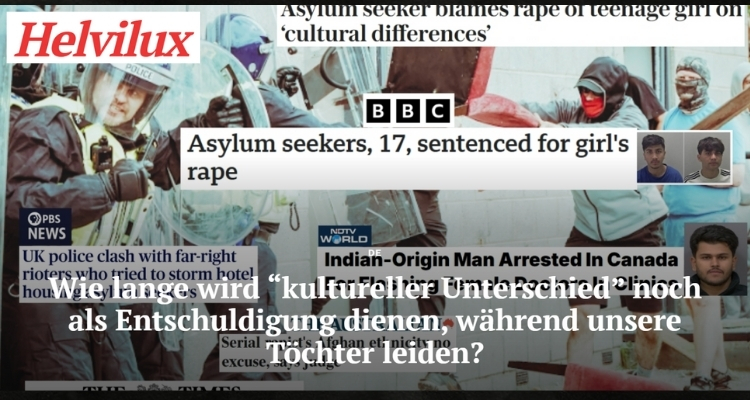
Helvilux has also previously reported on broader shortcomings in Luxembourg’s asylum and integration framework. In an article published in December 2025, Helvilux highlighted concerns that the Office national de l’accueil (ONA) has so far failed to implement systematic and compulsory early integration courses for newly arrived asylum seekers and refugees, particularly for teenagers and adult men focusing on social norms, legal responsibilities, and respectful behaviour within Luxembourgish society, including towards women and children. Click here to read.
Helvilux has repeatedly called on the ONA to ensure that basic orientation and integration training is provided immediately upon arrival, as a preventive and educational measure. Such courses, common in several European countries aim to clarify local laws, social expectations, gender equality principles, and the consequences of unlawful behaviour.
The absence of structured integration measures has raised concerns among residents, educators and community organisations, especially following isolated but widely reported incidents involving threats or violent behaviour. These cases, while not representative of the majority, underline the importance of early integration, clear rules, and accountability to prevent tensions and protect both residents and newcomers.
Against this backdrop, Helvilux questions how public authorities assess spending priorities. While dedicated private transport services continue to be funded for asylum seekers in a country with free public transport, core integration efforts remain insufficiently addressed. This imbalance raises legitimate questions about whether public resources are being allocated where they are most effective in fostering safety, cohesion and long-term integration.
Clarification: Accountability, Not Opposition to Service Providers
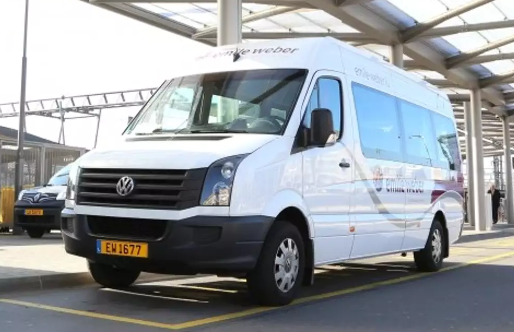
Luxembourg’s private bus operators, including companies such as Emile Weber, Demy Schandeler and others, play a vital role in the national transport network. They consistently deliver high-quality services and have repeatedly stepped in to support commuters, particularly during disruptions to CFL rail services, when replacement buses have proven essential. Their contribution to daily mobility in Luxembourg is widely recognised and appreciated.
Helvilux wishes to make clear that its position is not directed against the private transport companies currently providing shuttle services to asylum seekers and refugees. These companies operate within contracts awarded to them and are not responsible for policy or budgetary decisions.
The core concern raised by Helvilux is governance and decision-making. Responsibility lies with the public authorities that decide how taxpayer money is allocated. In a country with free nationwide public transport, the choice to finance parallel, dedicated private shuttle services for a specific group raises legitimate questions of efficiency, necessity and transparency.
At the same time, many villages and peripheral areas in Luxembourg continue to face insufficient public transport coverage, with residents calling for increased bus frequency and better connectivity. Redirecting resources toward strengthening these routes could benefit the wider population, support social cohesion and still allow private transport companies to maintain or even expand their role within the public transport system.
From Helvilux’s perspective, the issue is not about removing business from private operators, but about using public funds in a way that maximises public benefit, avoids duplication, and aligns with Luxembourg’s existing free transport policy.
Helvilux Petition Calls for Transparency and Fiscal Accountability
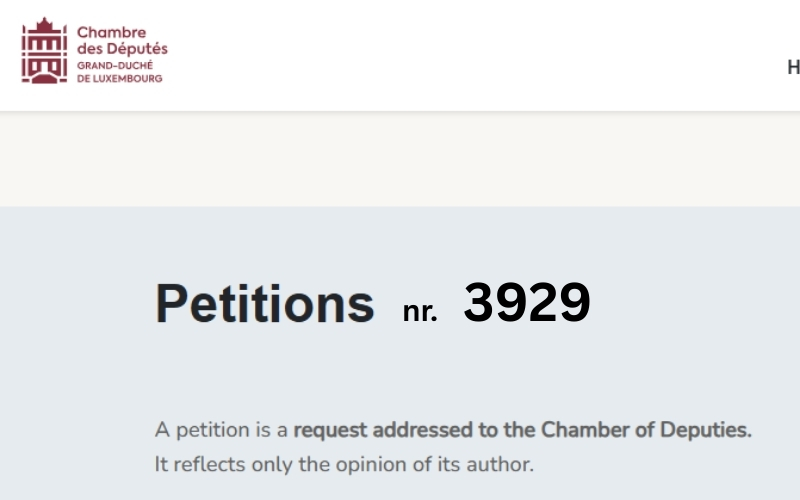
To push for change, Helvilux submitted an online petition to the Chambre des Députés (Chamber of Deputies). Titled “Petition on the Use of Public Funds for Private Transportation Services for Asylum Seekers and Refugees Despite Free Public Transport in Luxembourg” it demands parliamentary review of ONA’s contracting decisions, full disclosure of spending and debate on whether this represents responsible stewardship of public money.
The petition’s object emphasizes efficiency: Luxembourg’s free public transport covers the entire country, making private hires specially for asylumseekers seem unjustified. It stresses that HELVILUX goal is not to target asylum seekers or refugees whose dignity and rights are fully respected but to promote accountability and rational resource allocation.
In the general interest motivation, the text notes Helvilux’s investigative reporting efforts, the lack of ONA replies and the broader fiscal context. Recent years have seen substantial migration-related burdens: asylum network entries peaked at around 2269 in 2022 (boosted by Ukrainian temporary protection cases), with accommodation places doubling to over 8,200 beds among the EU’s highest per capita. State spending on immigration, including reception, security and guardianship, runs into € 45.7 million in 2024-25.
Despite the submission of the public petition, more than a month has passed without it being activated on the Chamber’s website. According to the latest information, on 4 February 2026 the Committee on Petitions examined the admissibility of the petition, which Helvilux hopes will soon be concluded.
The petition number is 3929. The campaign aims to collect 5,500 signatures to trigger a formal discussion if the petition is accepted by the committee and published on there website.
It should also be noted that operating costs for public transport have increased significantly in recent years: from €590 million in 2020 to €905.7 million in 2024. In 2025, according to the Ministry of Mobility and Public Works, the budgeted operating costs for public transport amount to €1.1 billion.
This story highlights tensions in balancing humanitarian obligations with fiscal responsibility in one of Europe’s wealthiest yet smallest nations. As public scrutiny grows, all eyes are on whether authorities will provide the transparency and reforms demanded.
Helvilux Media continues its independent coverage, calling for open dialogue to ensure public funds serve the general interest effectively. To support Helvilux a.s.b.l. independent media and social campaigns click here.