

Luxembourg (Helvilux) – The poor condition of asylum facility centers, the case of a single mother refugee about to be evicted from her accommodation, and a Ukrainian post highlighting the poor conditions in Luxembourg’s asylum facilities were among the most debated topics over the past week. After a long period of silence, even the Minister of Family Affairs and ONA spoke to the media.
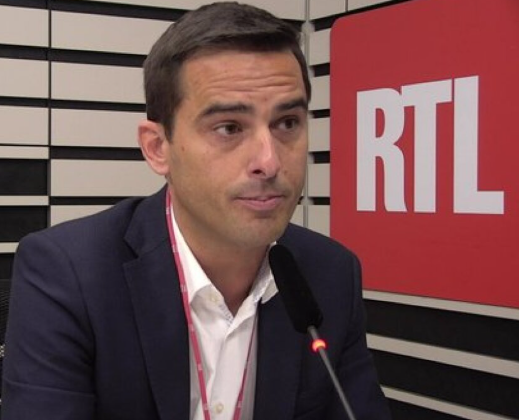
Recently, while speaking with RTL Media, Minister Max Hahn mentioned that Luxembourg is obviously not an Eldorado where money falls from the sky.
Minister Hahn’s “Eldorado” statement as being directed toward refugees. However, upon closer reflection, Helvilux and logical citizens and residents of luxembourg believe the remark may be more appropriately applied to certain contractors and third-party companies operating within the asylum reception system.
While the Minister addressed refugees by emphasizing that Luxembourg is not an “Eldorado where money falls from the sky,” the reality on the ground raises another question: whether some service providers and construction contractors have treated the asylum sector as such.
For several years, private companies have been contracted to construct, equip, and manage asylum facility centers. After the expenditure of millions of euros in public funds, the observed quality of certain equipment and installations appears to be low-grade and not in line with Luxembourg’s usual standards. Helvilux raises this point because when substantial taxpayer money is spent, the public has the right to expect durability, safety, and quality. If inadequate installations lead to repeated repairs, replacements, or safety risks, this could result in additional millions of euros in future costs. In this context, the “Eldorado” perception may not only concern vulnerable refugees seeking protection, but also certain private actors who benefit from publicly funded contracts.
Concerns About Private Contractors and the Quality of Asylum Facilities
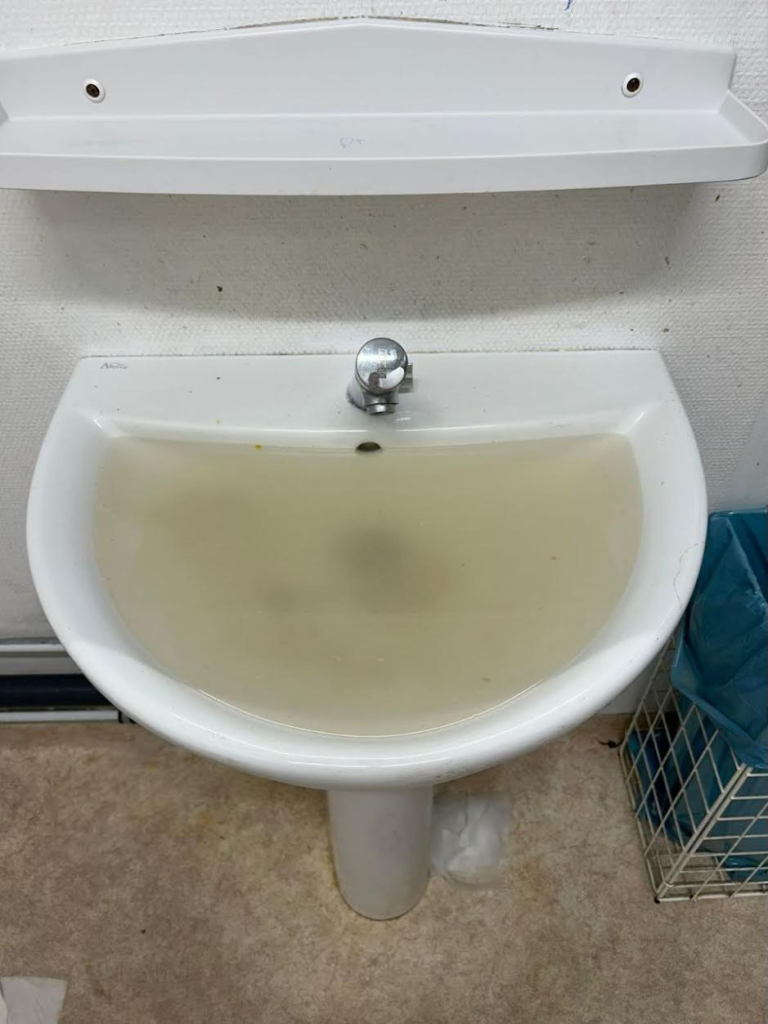
Let’s look at some factual examples that may help explain whether this “Eldorado” perception applies more to refugees or primarily to contractors and third party companies.
The low quality of equipment’s and installations in asylum facility centers, particularly at CPA Kirchberg and in other places in City Luxembourg, has raised serious concerns. The Helvilux investigative team visited some of these facilities and observed troubling issues, especially regarding the standard of installed equipements and basic fittings.
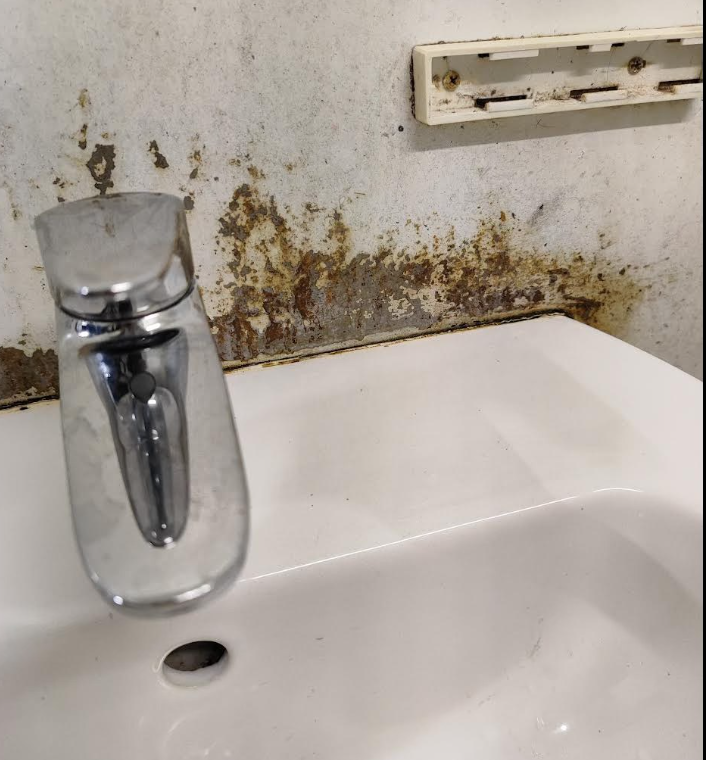
In many shared toilets and washing areas inside the asylum centers, the installed fixtures appear to be of downgraded quality and not in line with Luxembourg’s expected standards. For example, many washbasins lack proper sealing, resulting in ongoing leakage problems. The curtain materials are of such poor quality that they tear easily. While this may create repeated supply opportunities for contractors, it ultimately places an additional financial burden on taxpayers.
Furthermore, the water heating system is reportedly installed within small, box-type bathroom spaces. This setup increases the risk of electrical contact with water, creating potential safety hazards. Such risks could endanger vulnerable residents and, in the worst-case scenario, lead to additional public expenses related to medical emergencies.
The design of the bathrooms, W/C areas, and passageways is also problematic. Wastewater does not drain properly and tends to accumulate, creating frequent flooding like conditions. This not only contributes to unhygienic surroundings but also damages the overall living environment.
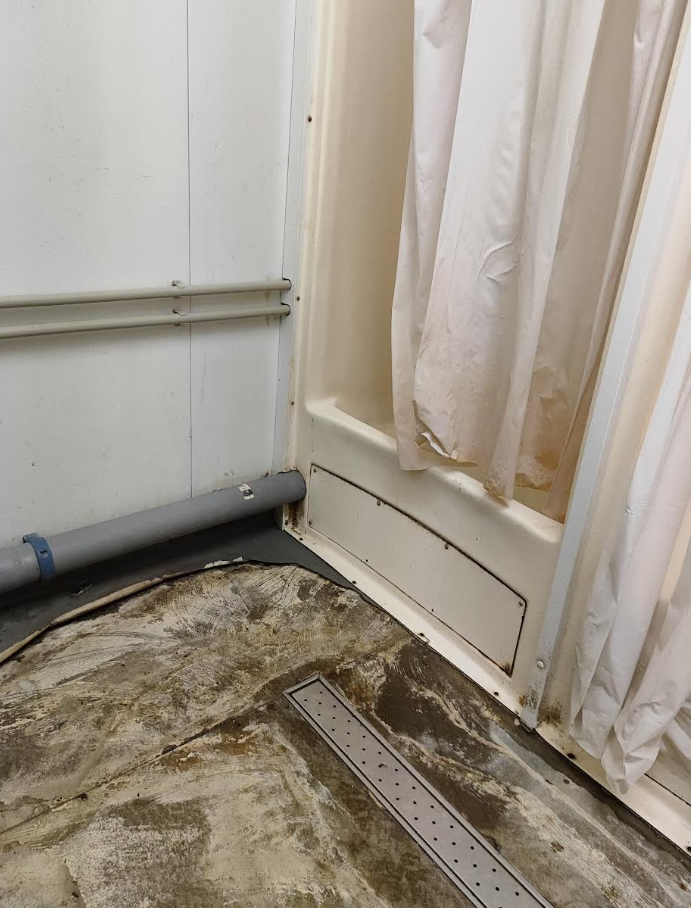
While also not to ignore that many refugees and asylumseekers who are living here are also involved in breaking the equipments, not properly maintaining hygine and cleaning and therefore they are responsible for the poor condition of these facilities as well, but the structural and design flaws is main reason for all this. Even if local Luxembourgish residents were using these facilities, similar hygiene issues would likely occur due to inadequate design and improper installation of equipment.
Basic sanitary supplies such as tissues, hand soap and toilet paper are frequently missing. In many bathrooms, the holders for these items are empty. Helvilux hopes that while these supplies are absent in practice, are they also “empty” in official records and financial accounts?
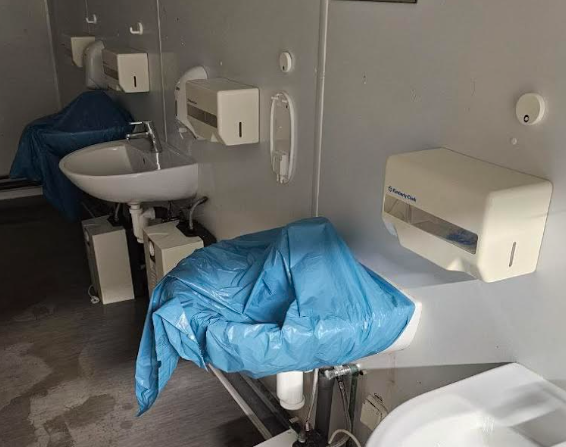
Another alarming issue concerns the poor quality of the WC units installed by contractors. Many of these toilets do not flush properly. When such low-grade equipment is installed in asylum facilities housing more than 1,000+ residents in a single location, the daily situation is bound to deteriorate over time. Faulty infrastructure inevitably leads to worsening hygiene conditions. Any reasonable person visiting the facility might conclude that, instead of relying on large shared public toilet areas, it would be more practical to provide separate toilets for each room. While this may be difficult to implement in the original structural design of some facilities, when considering the ongoing costs of repairing and replacing broken equipment, individual toilets could make better financial and hygienic sense. Separate facilities would also allow clearer accountability among users. However, such an approach might unfortunately reduce the need for constant equipment replacements and with it, the steady stream of repeat business for contractors.
Similar concerns arise in the laundry areas. The washing machine facilities appear poorly designed and insufficiently managed. When ONA authorities are aware that these centers accommodate migrants, asylum seekers and refugees from diverse backgrounds many of whom may not be familiar with European standards or Luxembourgish systems questions arise about why unrestricted access is granted without proper supervision or guidance.
Resident Misuse of Facilities: A Symptom of Structural Failures?
High-quality washing machines, including Swiss brand Miele units, have reportedly been installed at taxpayers’ expense. However, without proper instruction or oversight, these machines risk being misused or damaged by some residents. The issue is not whether residents should be blamed, but whether adequate education and management have been provided to ensure proper use.
If authorities know that some residents come from regions where access to modern appliances is limited and where clothes may traditionally be washed by hand, then structured guidance and supervision would seem necessary. Proper management could prevent damage and reduce long-term costs.
Helvilux has raised these concerns with both ONA authorities and the Luxembourg Red Cross, which is responsible for managing many refugee facility centers and is awaiting clarification regarding oversight and accountability.
Helvilux asbl Secretary and co-founder, Frau. Tazimi Zeinab, stated

Tazimi added that if such an approach can be applied in a private household, a similar practice could also be implemented in asylum centers. Instead of spending thousands of euros each month on repairs and replacements, it may be more sensible to assign one or two dedicated staff members to supervise and manage the washing area. According to her, this would be a more cost-effective and preventive solution.
Tazimi also pointed out that in most federal asylum centers in Switzerland, which are maintained through public-private partnerships, a similar supervision system is reportedly used and has proven to be cost-effective. Luxembourg should also adopt this approach, as it could save taxpayers’ money while simultaneously creating job opportunities. The organization could also encourage residents of all gender to participate on a voluntary basis, helping them better understand the system while promoting responsibility and engagement within the facility.”
Food Service Issues: Cost-Cutting Measures Affecting Quality
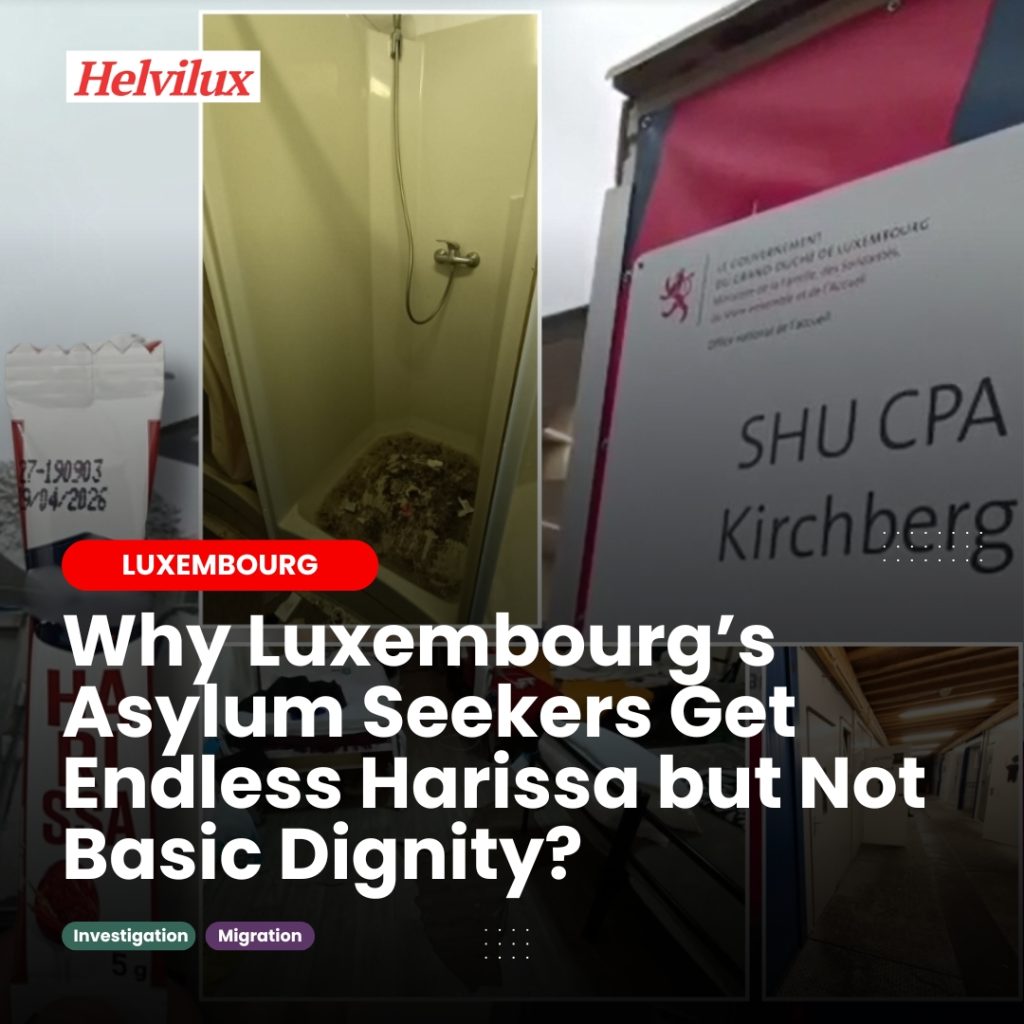
Another concern identified by the Helvilux investigative team relates to the food service section. Until November last year, a third-party contractor reportedly did not provide food trays to residents during meal distribution. This raised questions about whether the intention was to reduce dishwashing workload, limit the use of cleaning chemicals, and decrease manpower requirements. However, such practices may also prevent residents from becoming familiar with Luxembourg’s standard dining norms, where the use of proper food trays is customary in institutional and restaurant settings.
Only after Helvilux published an article on November 22, 2025, did the contractor reportedly begin providing food trays to residents at CPA Kirchberg. Click here to read.
All of this suggests that certain third-party contractors may be applying various cost-cutting tactics in order to maximize profit within the asylum and migration sector. Such practices raise concerns that vulnerable populations are indirectly bearing the consequences of financial optimization strategies.
These patterns may also create the impression that some private companies and contractors misunderstand Luxembourg’s asylum and migration system as an “Eldorado,” where public funds are easily available and oversight is limited.
While speaking to RTL Media, Minister Max Hahn stated:
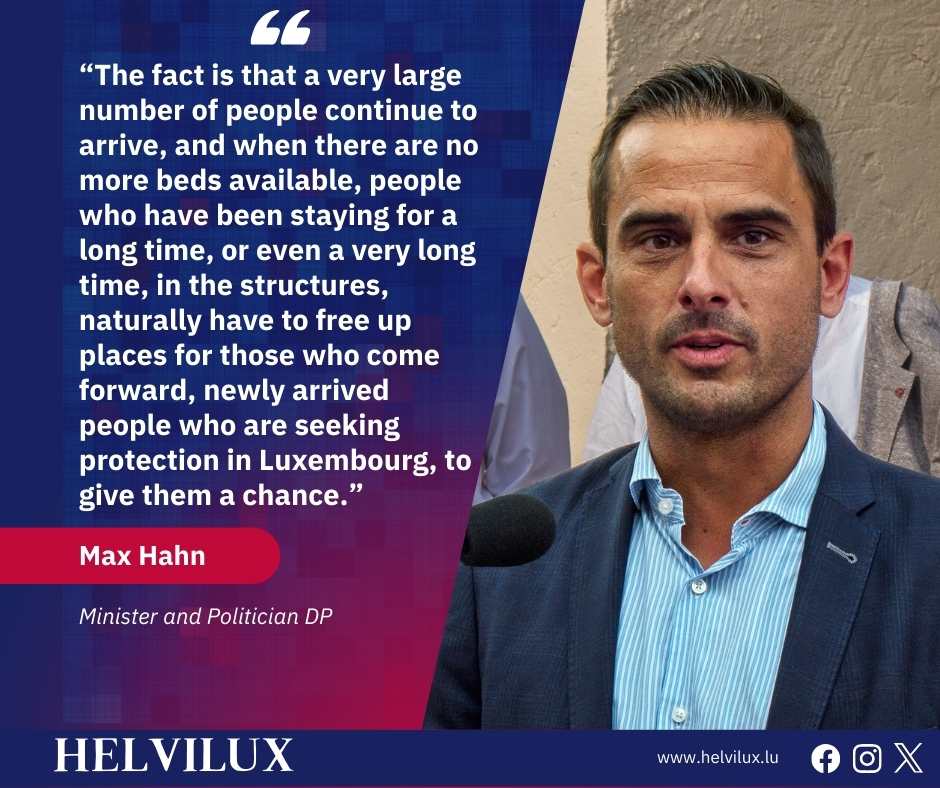
In this context, Helvilux Media raises a policy-related question: Has the Ministry of Family Affairs formally communicated these capacity concerns to the Ministry responsible for migration policy responsible for deportation? If a very large number of arrivals continues to place pressure on reception facilities, coordination between ministries becomes essential.
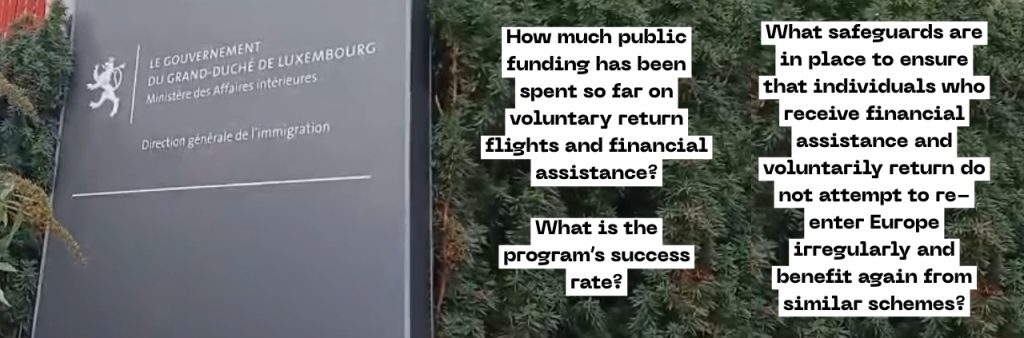
Recently, Minister Léon Gloden announced the concept of a “Maison de Retour,” under which individuals who voluntarily choose to leave Europe may receive financial assistance and return support.
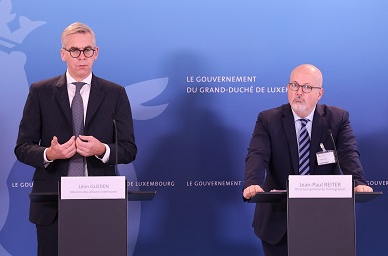
This raises a broader policy debate. If a household is facing overcrowding because guests refuse to leave, is the appropriate solution to identify the root causes and enforce clear rules? Or is it to offer financial incentives for voluntary departure? Critics argue that generous cash benefits combined with return flight support could unintentionally create pull factors, potentially encouraging prolonged stays without clear consequences.
Helvilux Media believes that these questions require transparent public discussion, particularly when taxpayer funds and the management of vulnerable populations are involved.
Helvilux Media observes that Luxembourg is currently facing increasing migration pressure. Many migrants and asylum seekers from developing countries cross multiple borders to reach Europe, including Luxembourg, in the hope of securing a better life. For many, this journey represents a high-risk gamble.
Critics argue that if such attempts to secure protection or long-term residence fail, Luxembourg’s voluntary return programs may unintentionally create a safety net funded by taxpayers. Under initiatives such as the proposed Maison de Retour, announced by Minister Léon Gloden, individuals who voluntarily agree to return to their country of origin may receive financial assistance and return flight support.
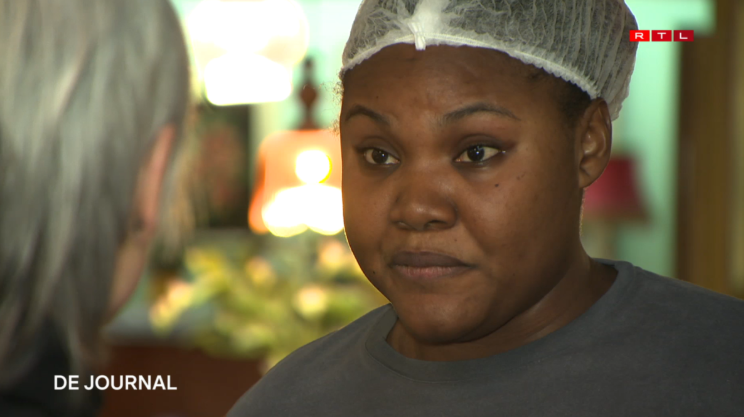
Blessing Sajowa’s Eviction: A Case of Administrative Inaction?
Meanwhile, following reports about the poor conditions in asylum facility centers, media attention also turned to the case of Blessing Sajowa. Sajowa arrived in Luxembourg from Nigeria nine years ago. Click here to read. Although her application for international protection was rejected, she later obtained a residence permit through her permanent employment at the social restaurant Chiche!.
Her employment demonstrates significant efforts toward integration into Luxembourgish society. However, despite working legally as a single mother refugee, she has continued to reside in an ONA asylum facility center for several years. According to her statements, the high cost of rent and the difficulty of securing private accommodation have prevented her from moving out.
Under Luxembourg’s migration and social framework, individuals in stable employment may, under certain conditions, qualify for social housing support. However, Sajowa reportedly did not receive housing assistance and instead recently received an eviction notice from ONA, instructing her to leave the facility by 11 February.
The situation gained public attention after her employer, the founder of Chiche! and president of the refugee support association Open House, Marianne Donven, contacted media outlets to explain the circumstances. Following media coverage, the eviction has reportedly been temporarily halted. However, this raises an important question: what if the matter had not been debated publicly? Therefore, the ONA authorities should address the issue and clarify who is accountable in this case.
Helvilux will continue to monitor this case and broader policy developments concerning asylum facility management, voluntary return programs and housing access for legally employed residents.
Regarding this matter, while speaking with Helvilux, Marianne Donven criticized Minister Max Hahn and the ONA authority.
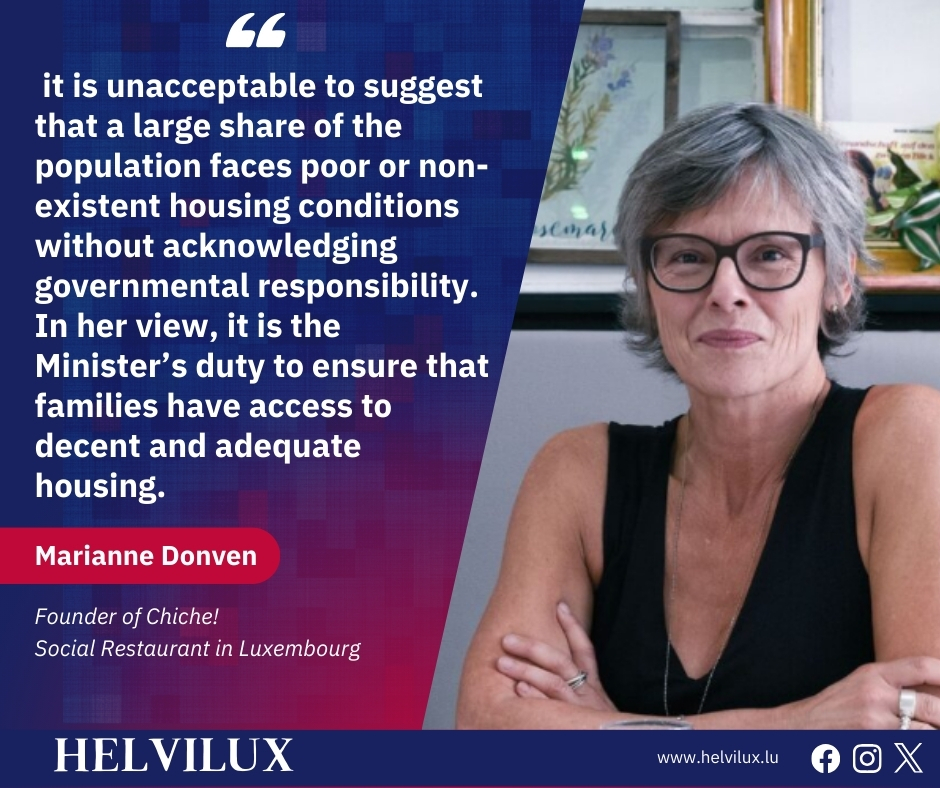
Regarding this matter, Helvilux formally requested that the Office national de l’accueil (ONA) and Minister Max Hahn provide at least a brief explanation of what assessment was conducted in Blessing Sajowa’s case before the eviction letter was issued. At the time of publication, no response had been received from either the Minister or the ONA. In several statements to the media, Minister Hahn said that he avoids commenting on individual cases. At the same time, however, he stated that he and his ministry exercise greater sensitivity when it comes to women and children.
Helvilux a.s.b.l. founder, Mahesh Kamath, also commented on the issue. Kamath stated that the ONA authority should not run from there responsibilities. According to him, if a rejected asylum seeker secures employment and contributes to Luxembourgish economy instead of depending on social or emergency aid, that individual should at least be granted basic living stability without excessive bureaucracy.
At the same time, Kamath argued that cases involving individuals who are not contributing to society, making no effort to integrate, or committing crimes in Luxembourg should be reviewed as a priority and, if appropriate, their files should be sent back. He also mentioned that recently, following a knife attack by a refugee, Minister Gloden very quickly revoked the individual’s permit. Helvilux welcomed this kind of swift action against those who misuse the system. Kamath further stated that there should be stronger coordination between the Office national de l’accueil (ONA) and the Migration Ministry to reassess residence permits where necessary and ensure that migration rules are applied consistently.
He emphasized that isolated negative examples should not be generalized to justify administrative inaction or reduced institutional responsibility.
Marianne, speaking about her past experience, mentioned that under previous governments, women and children were never seen on the streets as homeless. However, this is something we are now witnessing, which is shocking for us Luxembourgers. Marianne Donven also said:

Helvilux has also contacted Education and child minister Claude Meisch, to inquire about the safeguards in place in cases such as Sajowa’s. When a single mother refugee faces potential homelessness, the wellbeing of the child becomes a central concern. Helvilux questioned what measures the Ministry takes in such situations, particularly whether a dedicated social worker should be appointed to monitor the case and ensure the protection of the child’s welfare. We will continue to follow developments and publish official responses once received.
Kamath further added that the Ministry of Education, Children and Youth and Child protection organisation should not intervene only at the final stage when a single mother is already facing eviction and homelessness simply to justify removing a child in the name of safeguarding the child’s wellbeing. According to him, early intervention and preventive support from the Ministry and child protectio organisation could help avoid situations in which a mother and child end up on the street in the first place.
Once Helvilux receives further clarification from the Ministry of Education, Children and Youth, led by Claude Meisch, and the child protection organization SOS Kannerduerf Lëtzebuerg, it will publish the information for its readers.
Helvilux has also contacted Zukunftskeess, Just Arrived, ASTI asbl, Passarell asbl and other relevant organizations to understand their positions on the matter. Their responses will be published once received.
Marianne Donven also mentioned that, similar to Sajowa’s case, approximately 197 recognized refugees are expected to leave reception centers in the coming weeks. This raises broader concerns about housing capacity and transitional support mechanisms.
Possible explanations may include Luxembourg’s high rental costs, limited housing availability, potential discrimination by landlords or other structural barriers within the housing market. Determining the root cause requires transparent data and balanced assessment rather than assumptions about individual effort.
Helvilux will continue to investigate these structural issues, including whether housing access challenges stem primarily from market conditions, administrative gaps or broader social dynamics.
High rental prices and housing shortages are significant barriers. However, Helvilux media also raised the question of whether discrimination against certain groups of tenants may be contributing to the difficulty refugees face when searching for rental housing in Luxembourg.
In this context, Helvilux has contacted the Centre pour l’égalité de traitement (CET), requesting information on how many complaints it receives last year from tenants of migrant or refugee backgrounds who allege discrimination while seeking housing. Once we receive this information, we will publish it for readers’ knowledge.
Helvilux also called for greater transparency from the ONA authority regarding the financial structure of reception facilities. Specifically, it requested clarification on how much is paid per resident to third-party companies and organizations responsible for managing asylum facility centers. According to Helvilux, such transparency would help clarify who benefits financially from prolonged stays in reception centers when individuals are unable to secure housing due to high rental costs or possible discrimination.
In this regard, Helvilux has also requested Minister Hahn to provide detailed information on how his ministry is coordinating with the Ministry of Housing and Spatial Planning to expand access to social housing for low- and middle-income residents. This includes individuals who contribute daily to Luxembourg’s economy as employees, self-employed professionals, or entrepreneurs, yet still face significant barriers in accessing affordable housing.
Helvilux founder Kamath commented that Luxembourg presents a complex policy landscape. According to him, while migration flows continue, the government has introduced voluntary return incentives for certain individuals. At the same time, many local residents both Luxembourgish nationals and foreign residents face rising housing costs and, in some cases, risk homelessness due to job loss or unaffordable rents. With no end in sight to the Ukraine–Russia war and increasing financial support fueling the conflict, recent EU INDIA Trade deal which open door for mass migration, harsh reality is that Luxembourg can expect an increasing number of asylum seekers and migrants in the near future. Therefore we have to act now and find a solution.
Marianne, while speaking with Helvilux, also mentioned: “When the war began in Ukraine, most Luxembourgers, including the government, welcomed and helped those affected including easy access to accomodation. However, the same kind of support was not provided to other asylum seekers who are not Ukrainian. The same happened in job searching and in obtaining work permits. This represents inequality in Luxembourg.”
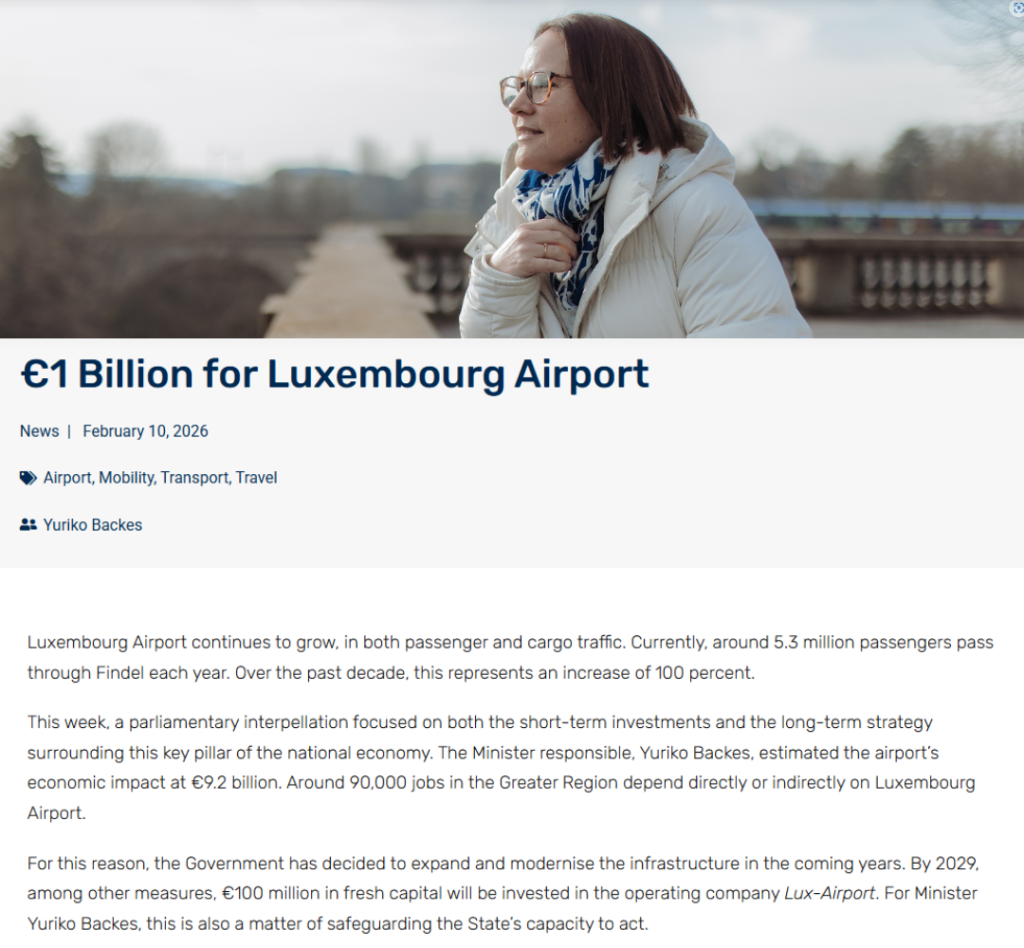
Helvilux questioned the authority whether social housing policy is sufficiently prioritized, especially as Luxembourg moves forward with major infrastructure investments, including plans to invest approximately €1 billion in airport development. Click here to read. Kamath argued that housing affordability and social stability should remain central considerations in national planning.
Drawing comparisons abroad, Kamath pointed to developments in the Netherlands, where cruise ships have been used to accommodate asylum seekers during periods of housing shortages. One example involved a Swiss-based company from Horgen, Zurich, reportedly operating vessels used to house refugees in the Netherlands as part of government accommodation arrangements.
According to Kamath, these examples demonstrate how private companies may generate profit from emergency accommodation arrangements. He suggested that Luxembourg should carefully evaluate long-term housing strategies to avoid reliance on costly temporary solutions.
Helvilux emphasizes that these broader structural questions migration management, housing policy, public spending priorities and private-sector involvement require transparent public debate and coordinated policy responses.
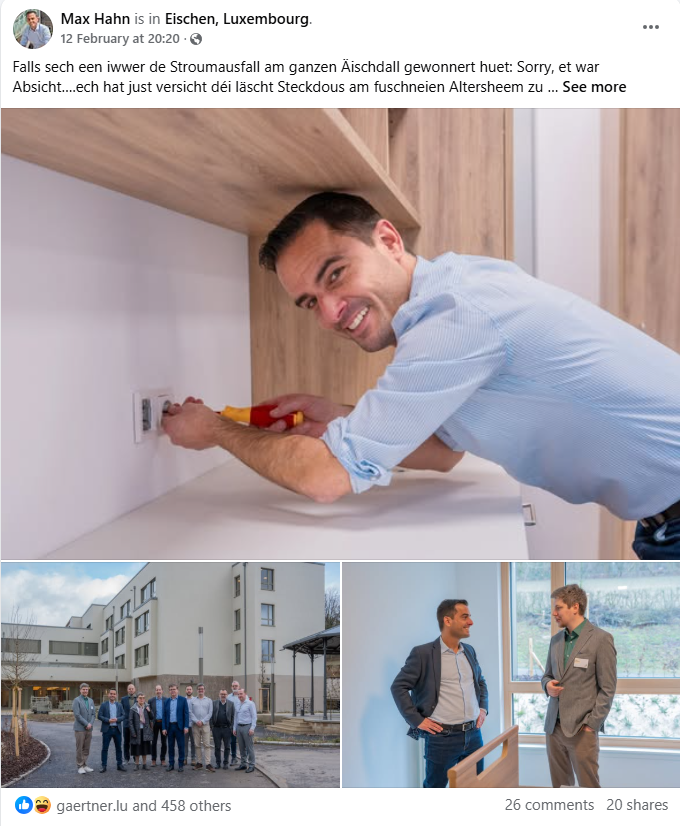
When Helvilux Media and local citizens in Luxembourg look at Minister Hahn’s social media posts, his plans for social security and family support appear promising. On paper, his vision seems aimed at improving conditions for families in Luxembourg.
However, when Minister Hahn states, “We know that housing is expensive in Luxembourg. For everyone in Luxembourg: Luxembourgers, non-Luxembourgers, and yes, this also applies to refugees,” many citizens report feeling a loss of trust and confidence. As Minister of Family Affairs, it is his responsibility not only to acknowledge challenges but also to demonstrate concrete solutions.
Rather than highlighting the high cost of housing, citizens and local observers argue that Minister Hahn could strengthen public confidence by showing how his ministry is actively coordinating with the relevant ministries to expand affordable social housing. Demonstrating tangible results and proactive measures would likely make him more respected and popular politician among both local residents and migrant communities. In short, as a politician responsible for family welfare, showing action and impact is far more effective than simply acknowledging a problem.
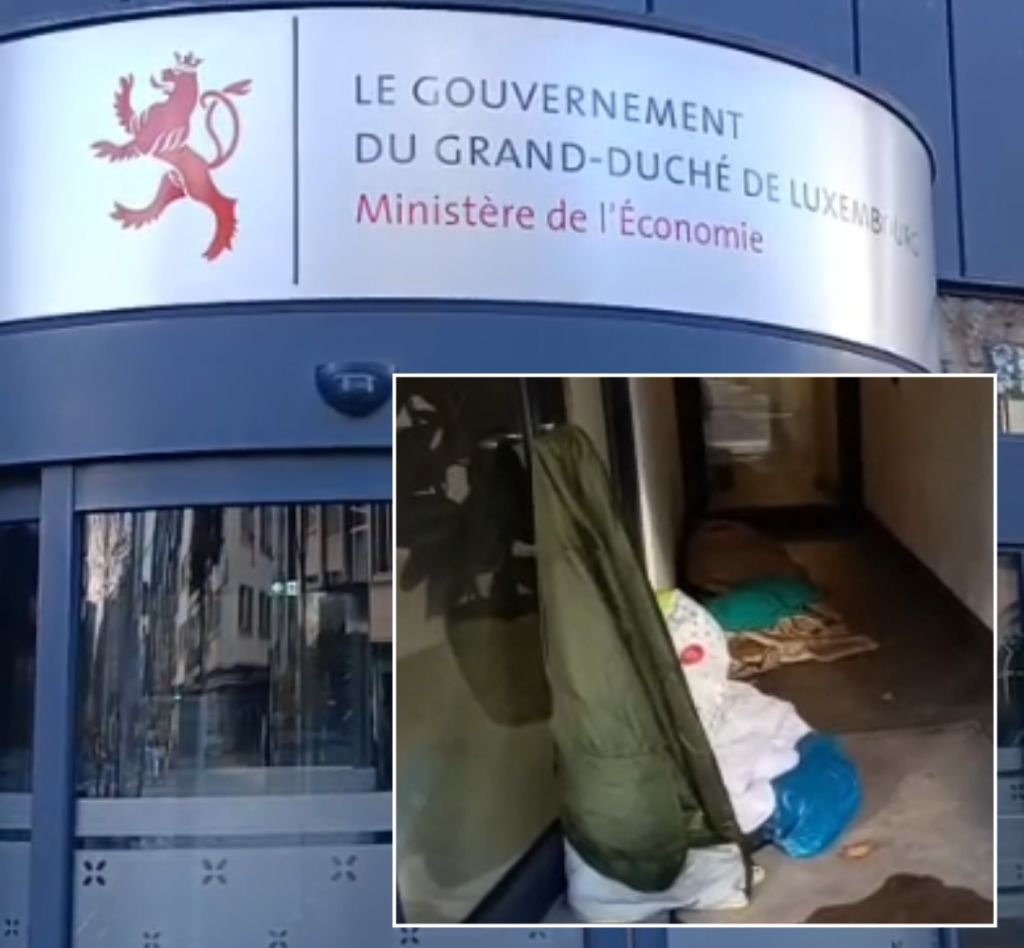
Speaking on the topic of housing, Marianne Donven also added that Luxembourg, while known as a wealthy country in Europe, faces a serious housing crisis. She pointed out that approximately one-fifth of the population struggles to secure adequate housing a fundamental right that affects not only refugees but also both Luxembourgish and non-Luxembourgish residents and citizens.
Donven also stated that if the government truly wanted to provide housing, it could do so. However, she argued that authorities are creating an artificial scarcity to send a message across Europe: that asylum seekers, illegal migrants, refugees, and particularly women and children are facing homelessness in Luxembourg. According to Donven, this is a deliberate image the government wants to project to make Luxembourg less attractive to potential newcomers.
Donven criticized government priorities, noting that millions or even billions are being allocated to large-scale projects such as the development of a new airport or sports facilities, while many families lack a stable place to live. She emphasized that this issue will increasingly affect the next generation of Luxembourgers, who will enter the workforce while witnessing the consequences of homelessness. According to Donven, urgent government action is needed to address the housing shortage before the problem worsens.

Helvilux recently published an article discussing how the EU–India Trade agrement could lead to mass migration in Luxembourg and other EU member states, questioning whether Luxembourg is prepared for it. Click here to read. Currently, even those already living in Luxembourg including locals struggle to access proper housing. The arrival of thousands, or even millions, of skilled workers from India could exacerbate this situation. This highlights the urgent need for the Luxembourg government to take action before the problem escalates across the country. When 27 EU memberstate have Skilled workers why Luxembourg need more to bring from third world country is a big question locals have now.
Minister Max Hahn recently told the media:

In response to this statement, Helvilux’s investigative team conducted an in-depth group investigation and identified several structural and procedural hurdles that may hinder refugees and asylum seekers from integrating and finding employment some of which appear to be artificially created.
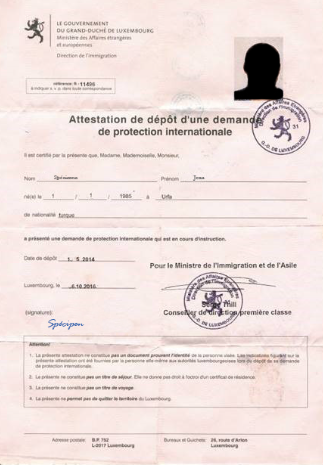
One major hurdle is that spread of misleading information within some asylum facility centers. Helvilux reporters visited centers in Kirchberg, Mersch, Esch and other locations. While speaking with residents primarily from Eritrea, Ethiopia, and Somalia many of whom have lived in Luxembourg for over a year, investigators found that some were not participating in integration courses or seeking employment. When asked why, several residents explained that social workers told them that holders of the “Pink Paper” (official documentation for international protection) were not eligible to work in Luxembourg until they received a permanent residence permit.
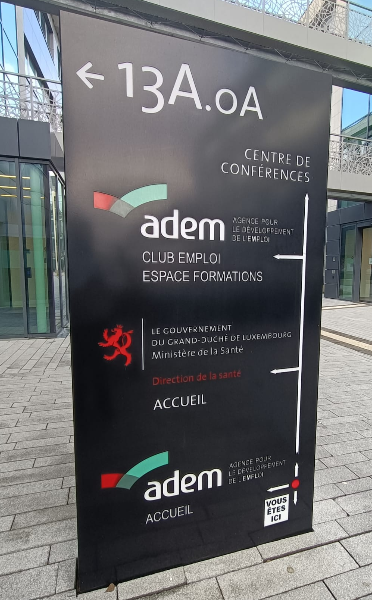
To verify this claim, Helvilux facilitated a test case with a volunteer asylum seeker holding a Pink Paper. When she attempted to register with ADEM as an unemployed job seeker, the agent informed her that individuals with a Pink Paper were ineligible for registration. She was offered only a voluntary closure form, which she refused to sign, and requested that the statement be provided in writing or via email. As of the publication date, ADEM had not responded. For her safety purpose we are not publishing her name but have documented all the evidence. This incident highlights procedural inconsistencies and confusion within ADEM regarding the registration of Pink Paper holders.
Consequently, Helvilux has formally requested ADEM to provide annual data on how many Pink Paper holders have registered as unemployed and actively seeking employment. Once this information is received, Helvilux will publish a detailed article with full findings and analysis.
Some local residents in Luxembourg may believe that the conditions in asylum centers or the quality of food provided to refugees are not their concern. However, the consequences of poor hygiene and inadequate nutrition in these facilities can affect public health and, ultimately, taxpayers.
For example, a recent case at CPA Kirchberg involved a Ukrainian child who became ill due to unhygienic conditions in the asylum center. Treatment in clinics and hospitals places additional burdens on Luxembourgish taxpayers through health insurance contributions and also on the ONA authority, which covers part of the medical expenses. Therefore, these problems also affect local Luxembourgish.
Those who assume that ministries are ignoring the provision of basic amenities for asylum seekers and refugees should also consider that these challenges are not limited to refugee facilities. Even in local Luxembourgish communities, residents have reported a decline in the quality of meals provided in some kindergartens. A Luxembourger in Schifflange, speaking on condition of anonymity, said that Previously, high-quality meals were offered in kindergardens, but now, private third-party companies supply food that we feel is not fresh nor adequate for our child.
This shows that issues of hygiene, food quality and public accountability are broader societal concerns, affecting both vulnerable populations in asylum centers and ordinary residents and citizens of Luxembourg. Helvilux argues that the Luxembourg government should be held accountable for ensuring proper standards for all.
The Real “Eldorado”: Who Benefits from Luxembourg’s Asylum System?
From all these developments, one broader concern emerges. Minister Hahns statement of Luxembourg is not an “Eldorado where money falls from the sky.” The question, however, is where the real misunderstanding lies. Is it among vulnerable individuals seeking protection who are just asking for basic need and local luxembourgish asking for social housing or among certain third-party contractors, private companies and organizations operating within the migration and asylum sector earning profit from asylum and migration sector?
Helvilux argues that Minister Hahn and the ONA authority should carefully reexamine these structural issues to ensure accountability, transparency and fair treatment both for taxpayers and for vulnerable populations.
Helvilux does not receive any subsidies or financial assistance from the governments of Luxembourg or Switzerland to support its journalism work. HELVILUX Media is an independent media outlet run by the non-profit organization Helvilux asbl in Luxembourg. To support our work with a donation, click here.