
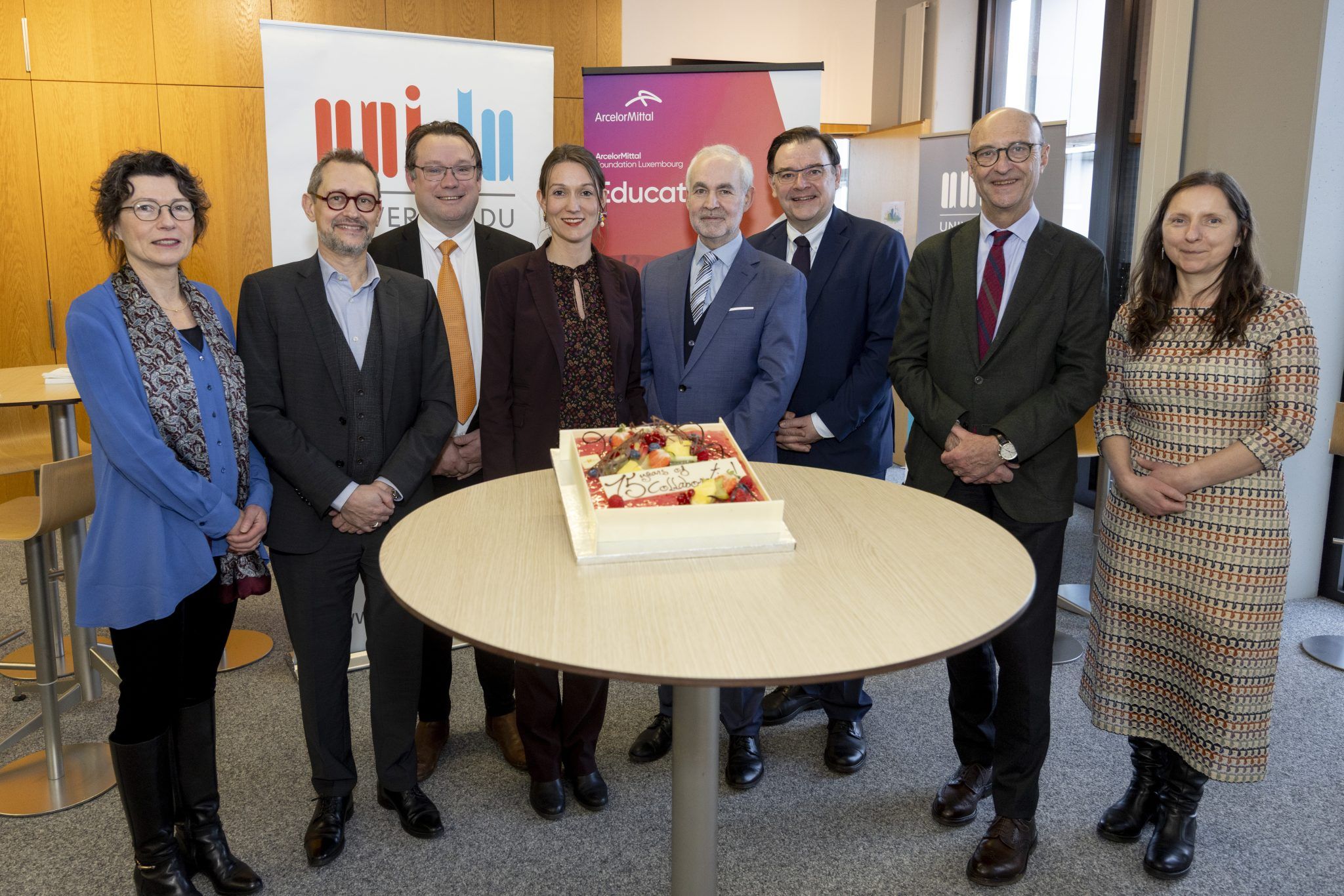
Luxembourg (HELVILUX) – In the heart of Europe, where innovation meets industry, a remarkable collaboration has been quietly revolutionizing the world of steel construction. What started as a targeted partnership in 2010 between the University of Luxembourg and ArcelorMittal Luxembourg has blossomed into one of the Grand Duchy’s most impactful industry-academia alliances. This February 2026 marks 15 years of shared vision, with the partnership recently extended until 2030, promising even greater strides in sustainable engineering. As global pressures mount for eco-friendly building practices, this duo is leading the charge, blending academic rigor with industrial might to create structures that are not just stronger, but smarter and greener.
The Genesis of a Steel-Strong Bond
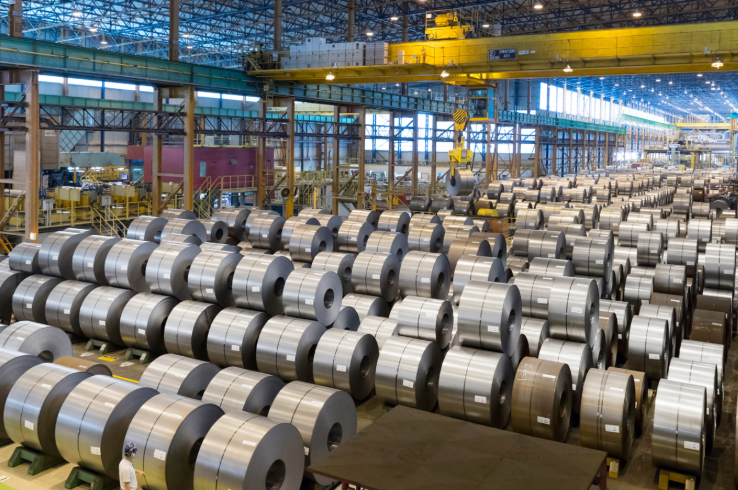
The story begins in 2010, when ArcelorMittal Luxembourg and the University of Luxembourg established the ArcelorMittal Chair of Steel Construction. This initiative was designed to foster teaching and research in steel and composite structures, with a keen eye on high-performance buildings and innovative design rules. Held by Professor Christoph Odenbreit since 2011, a renowned expert in steel and composite structures, the Chair has since become a cornerstone for exploring the steel construction of tomorrow.
Early funding from ArcelorMittal exceeded 1.6 million euros by 2020, enabling groundbreaking work on high-tech structures, high-strength steels, and green construction techniques. The partnership was renewed in 2020, emphasizing circular economy principles to minimize the carbon footprint of buildings. A key focus was developing modular steel systems that allow for easy dismantling and reuse, ensuring components like steel beams could be repurposed without losing integrity. As Prof. Odenbreit noted at the time, “In principle, steel beams do not have a limited life span. You can reuse them after 30 years and they have the same properties as on the first day, if they are treated correctly.”
By 2023, the collaboration was extended again to 2025, deepening its commitment to sustainability. This phase highlighted the integration of timber with steel for efficient green structures and contributions to European standards like Eurocode 4. Michel Wurth, Chairman of ArcelorMittal Luxembourg, praised the “proximity between the academic and business worlds” as a source of mutual enrichment, allowing for the imagination of more energy-efficient and sustainable buildings.
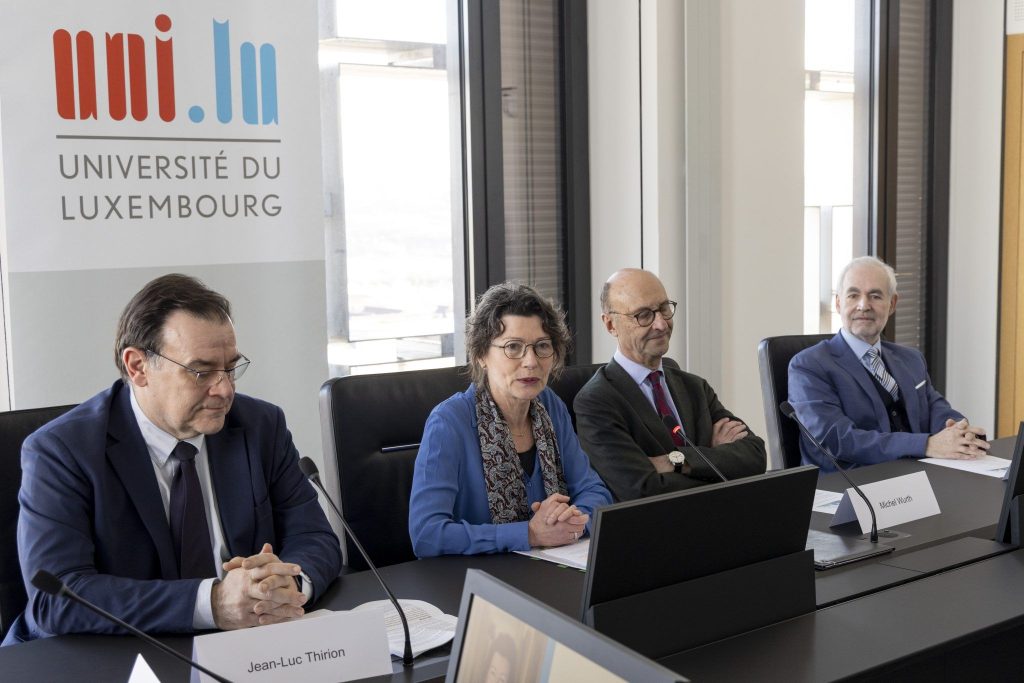
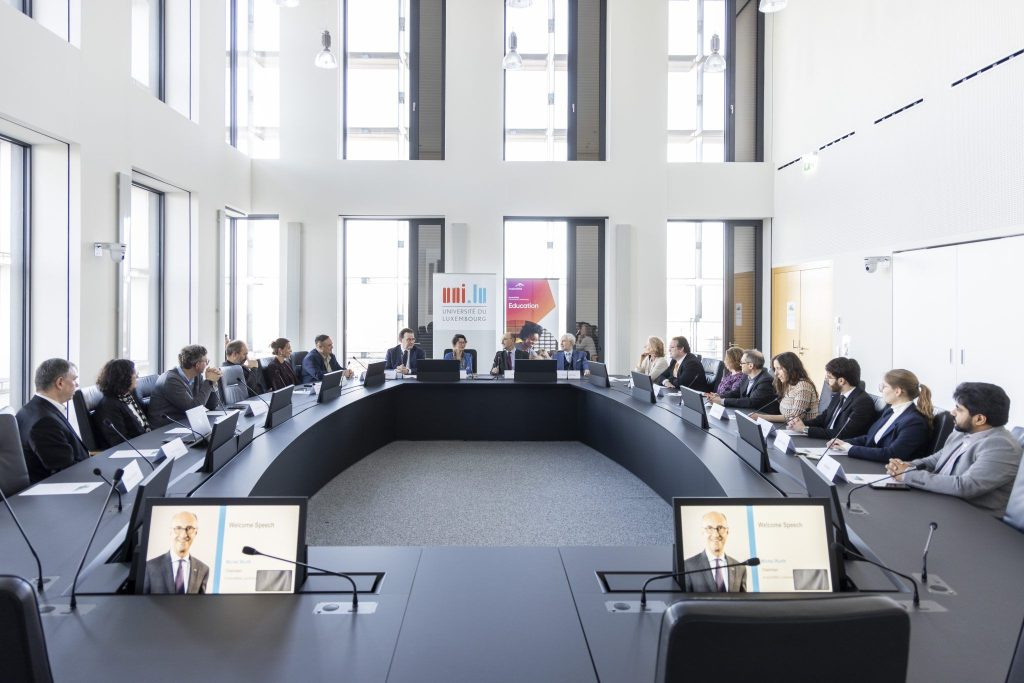
The latest milestone came on February 12, 2026, when the partnership was extended to 2030 during a signature ceremony attended by key figures including Prof. Odenbreit, Wurth, and Jean-Luc Thirion, CEO of ArcelorMittal Global R&D. This renewal underscores a shared ambition to advance research in steel material science, circularity, and AI-driven automated construction processes.
Pioneering Projects and Award-Winning Innovations
Over the years, the collaboration has yielded tangible results through high-profile projects and accolades that showcase its real-world impact.One standout is the “Petite Maison” pavilion, a collaborative architectural project launched in 2021 as part of Esch2022, the European Capital of Culture initiative. Located in Esch-Belval, Luxembourg, this demonstration building promotes circularity in construction, particularly through reusable steel structures. Designed for disassembly, it features modular steel beams and connectors that allow components to be reused, significantly reducing waste and emissions. In 2023, doctoral student Shahin Sayyareh earned an award at the Eurosteel conference for his paper on Petite Maison, highlighting its innovative approach to load-bearing structures.
Another breakthrough area is wood-steel connections, where research has focused on steel-timber composite (STC) beams. These hybrid systems use novel shear connectors to enable composite action between steel and timber, promoting demountability and reusability. In 2024, Prof. Odenbreit and Dr. Alfredo Romero received the Innovation of the Year Award at the Constructsteel Annual Conference for their work on these connections, which enhance sustainability by combining steel’s strength with timber’s environmental benefits. Experimental tests on full-scale STC beams demonstrated high load-bearing capacity, ductility, and minimal damage to connectors, paving the way for reusable flooring systems.
The Chair’s team, including senior researchers like Oliver Hechler and Renata Obiala, and over a dozen PhD students, has also contributed to projects like the Luxembourg Pavilion at Expo 2020 Dubai, applying circular principles on an international stage. Awards have piled up, from Prof. Odenbreit’s 2022 “Outstanding Mentor” honor to Dr. Maciej Chrzanowski’s 2020 FNR Award for his thesis on shear transfer in composite columns.
Driving Sustainability and Global Influence
At its core, this partnership is about tackling the construction sector’s environmental challenges. Steel, a material of choice for circularity, is being reimagined to support low-carbon structures and zero-emission goals. By promoting modular designs, digital twins for tracking components, and standardized databases, the collaboration is reducing greenhouse gases and fostering a circular economy.
The impact extends beyond Luxembourg. Through involvement in committees like CEN and ECCS, research outcomes are influencing European standards, ensuring broader adoption of sustainable practices. ArcelorMittal, the world’s second-largest steel producer with roots in Luxembourg, benefits from fresh talent—several PhD graduates from the Chair now work within the company—while the University gains real-world application for its research.
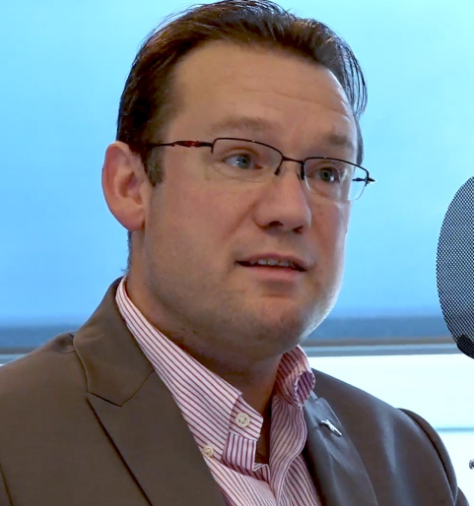
As Prof. Jens Kreisel, Rector of the University, put it in 2023: “The Chair reflects the vision of the University of Luxembourg: to respond to the needs of society by contributing to the societal, cultural, technological, and economic development.” Meanwhile, Olivier Vassart, CEO of Steligence© at ArcelorMittal, has hailed the collaboration for feeding innovative concepts like holistic sustainable building approaches.
Looking Ahead: Building Tomorrow’s World
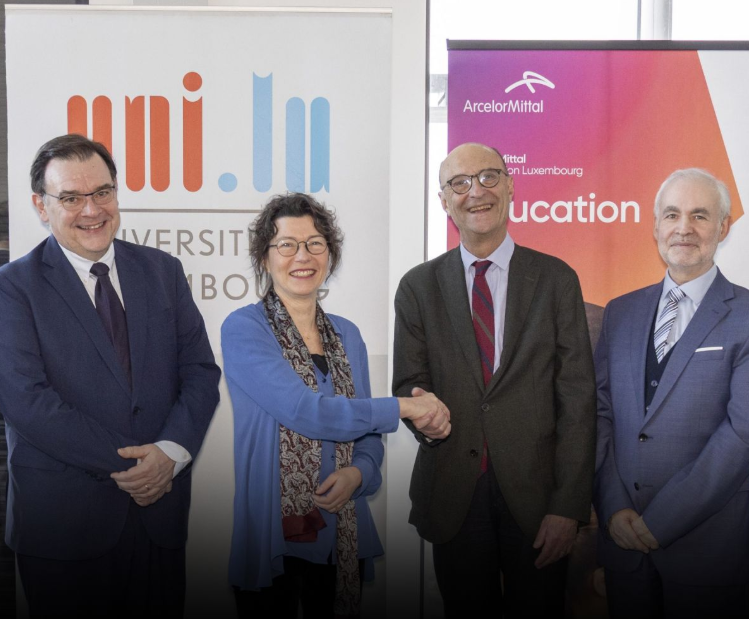
With the extension to 2030, the future looks robust. Priorities include deepening work on circularity, AI-driven construction, and low-carbon innovations. As demand for responsible construction surges globally, this alliance positions Luxembourg as a hub for advanced steel technologies, inspiring similar partnerships worldwide.
In Prof. Odenbreit’s words: “I am proud of our longstanding and trustful partnership with ArcelorMittal… With today’s signature, I am delighted that we can continue shaping pathways towards a sustainable and innovative future in construction.” Fifteen years in, this collaboration isn’t just enduring it’s evolving, proving that when academia and industry unite, the result is as strong as steel.
Helvilux does not receive any subsidies or financial assistance from the governments of Luxembourg or Switzerland to support its journalism work. HELVILUX Media is an independent media outlet run by the non-profit organization Helvilux asbl in Luxembourg. To support our work with a donation, click here.