Refugees ‘Forced into Overcrowded, Unsafe Housing’ in Luxembourg

Luxembourg (Helvilux)- Luxembourg’s handling of refugee reception has once again come under intense scrutiny, with reports of dire living conditions in multiple facilities sparking outrage from civil society, media, and opposition parties. Just a day after a high-profile visit by Family Affairs Minister Max Hahn and a parliamentary delegation to several refugee centers, déi gréng issued a scathing press release highlighting systemic failures in the system. The document, provided to Helvilux.lu by Sven Schiltz, Parliamentary Secretary for déi gréng, accuses the government of exacerbating social emergencies rather than fostering integration and human dignity.
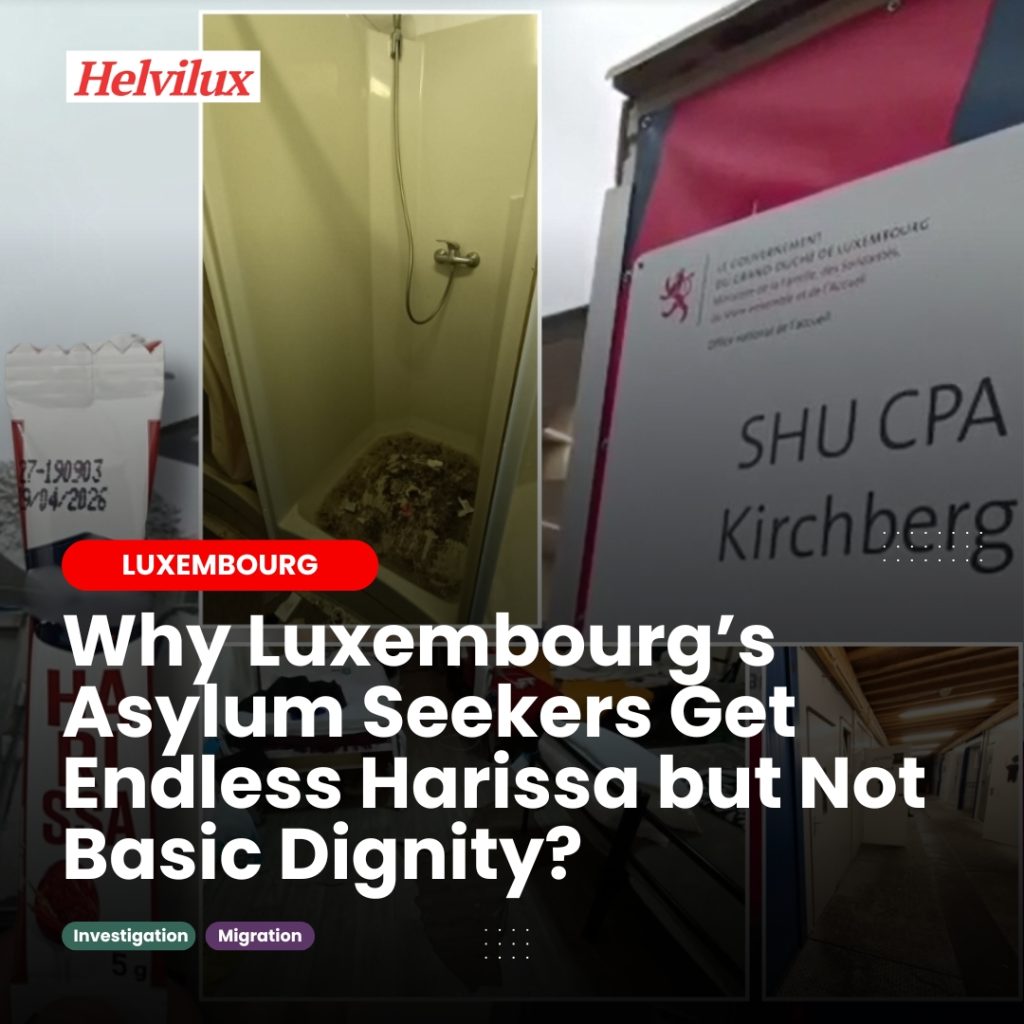
This latest development builds on a series of articles published by Helvilux.lu and other media in recent months, which have documented the deteriorating state of not only deportation camps but also first-phase and secondary-phase reception facilities. These reports have painted a grim picture of overcrowded dormitories, inadequate hygiene and a lack of basic amenities, echoing warnings from organizations like the Luxembourg Red Cross as far back as October 2023.
Déi gréng’s press release also pointedly notes that while the government emphasizes its commitment to refugees and asylum seekers, meaningful improvements on the ground remain elusive.
Déi Gréng Warns of “Alarming” Refugee Center Conditions
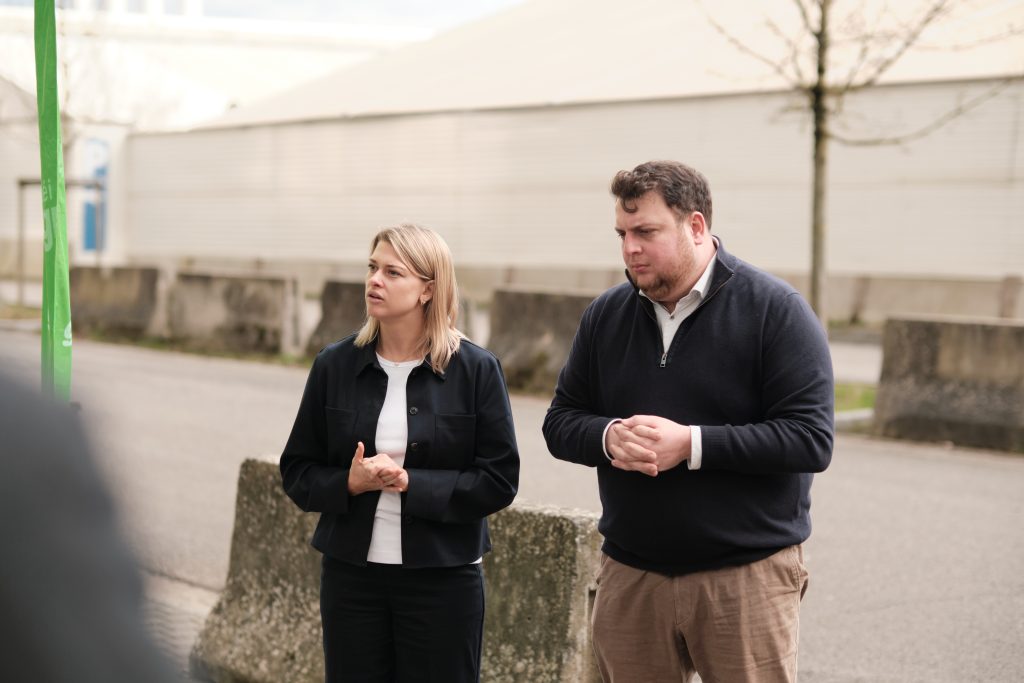
In their communiqué released today (23 Feb 2026), déi gréng Party decries the “alarming” conditions persisting in reception centers, including overcrowded and outdated accommodations, unhygienic sanitary facilities and sleepless nights in open-plan rooms devoid of privacy. Many refugees, including families with young children, endure these temporary setups for years, far beyond their intended short-term use. “This situation is unacceptable in a rich country like Luxembourg,” the release states.
A particularly disturbing trend highlighted is the forced eviction of refugees from dormitories without viable housing alternatives, pushing vulnerable individuals toward homelessness and jeopardizing their employment and daily stability. Djuna Bernard, déi gréng’s family policy spokeswoman in the Chamber, lambasted Minister Hahn’s dual role in reception and poverty reduction: “It is all the more absurd that new social emergencies arise under his responsibility. The problems are not solved, but exacerbated.”
The party rejects the government’s frequent invocation of “overload” as an excuse for declining standards, calling instead for expanded capacities and binding minimum standards to prepare for genuine emergencies. They advocate for a solidarity mechanism requiring all municipalities many led by the governing CSV and DP parties to contribute to refugee accommodation and integration. This principle, enshrined in the government program, remains unimplemented, déi gréng argues, while the inaccessible housing market further compounds issues for low-income refugees.
Self-regulation by the ONA is deemed insufficient, with the release demanding an independent external supervisory body granted unfettered access to facilities and empowered to enforce recommendations within strict deadlines.
Barriers to Integration and Restrictive Policies
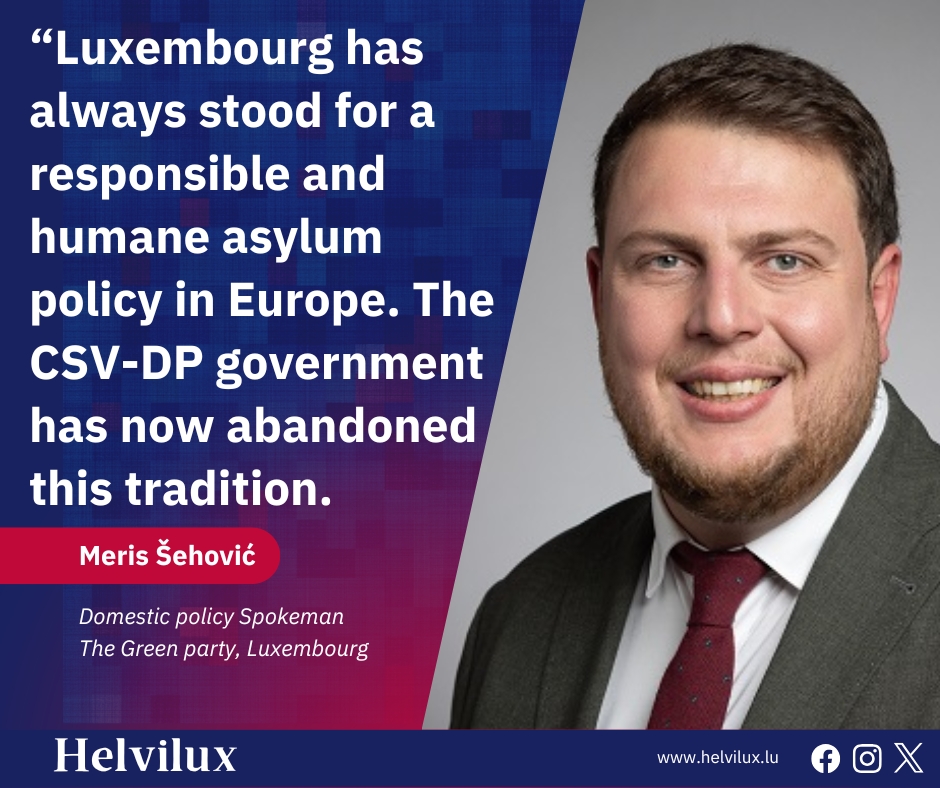
Meris Sehovic, déi gréng’s domestic policy spokesman, warned: “Luxembourg has always stood for a responsible and humane asylum policy in Europe. The CSV-DP government has now abandoned this tradition. Deterrence does not lead to more order or more cohesion, but to less respect, more precariousness, and more social tension. Human dignity must not become a lever of symbolic politics.”
Déi gréng emphasizes labor market integration as a critical solution to alleviate pressure on reception centers. Many refugees are eager to work but face administrative hurdles and inadequate support. The party calls for early skills assessments, enhanced job search assistance, expanded training opportunities, and employer incentives to facilitate permanent employment from “day 1.”
The press release also critiques the government’s implementation of the EU Asylum Pact, accusing Interior Minister Léon Gloden of using it as cover for unnecessary restrictions. While presented as a technical alignment with European norms, Luxembourg’s approach includes shortened appeal periods, weakened legal protections, and expanded detention powers going beyond minimum requirements.
Of special concern is the “screening” procedure, where new arrivals undergo identity, health, and vulnerability checks to determine their asylum path. EU law requires only availability to authorities but Luxembourg plans to detain individuals in screening centers for days, effectively restricting freedom.
Ministerial Visit Highlights Temporary Fixes, Not Lasting Solutions
On Monday, February 22, Minister Hahn, accompanied by members of the relevant Chamber of Deputies committee, toured refugee facilities in Mersch, Käerjeng, and Soleuvre. The visit was intended to assess living conditions for applicants for international protection (AIPs), following open letters from residents decrying filthy and dilapidated infrastructure, insufficient food quality and quantity, and overall inhumane treatment.
However, the inspection has been met with skepticism. Residents and advocates reported frantic cleaning efforts in the days leading up to the visit, suggesting that the facilities were polished specifically for the occasion. In Soleuvre, home to around 30 Eritrean women, conditions were described as particularly egregious: mold-covered rooms, cramped bunk beds offering no privacy, and an environment that hinders cultural adaptation. The women expressed feelings of discrimination compared to refugees from other backgrounds.
According to accounts shared with RTL Today, the women were instructed to vacate their rooms before the delegation’s arrival but refused, insisting on showing the true state of the facility. Not all residents were permitted to speak directly with the MPs, raising questions about transparency. One resident wryly remarked to RTL, “If MPs visited more often, perhaps there would be more cleaning,” underscoring the perception that maintenance is reactive rather than routine.
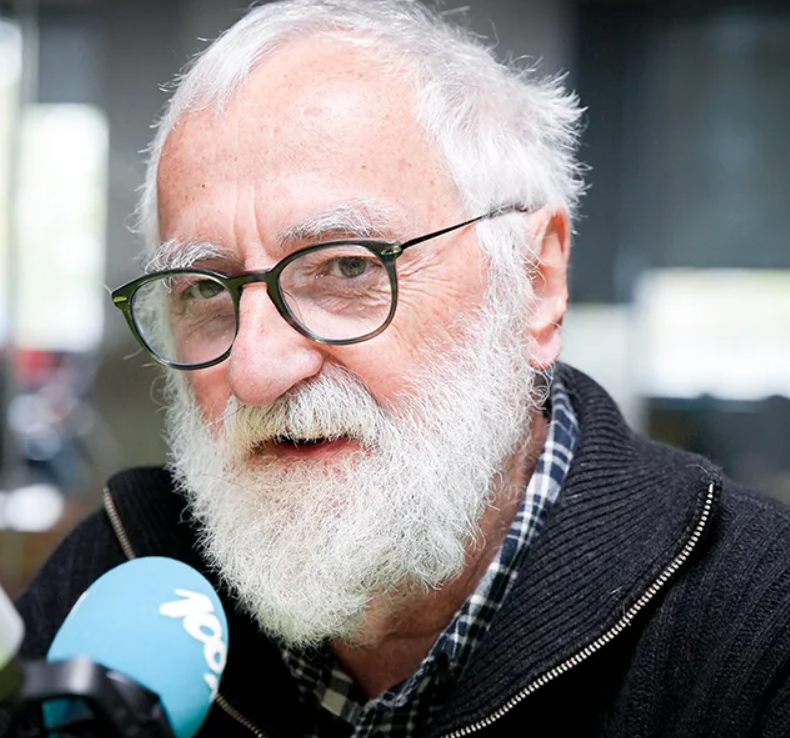
Critics like Serge Kollwelter, a long-time advocate in contact with refugees, condemned the government’s proposal to exempt refugee accommodations from oversight by the Labour Inspectorate. This move, he argued, would allow the National Reception Office (ONA) to self-regulate, likening it to “a company like Monsanto assessing its own compliance.” Marianne Donven, another refugee campaigner, provided videos evidencing the moldy, overcrowded spaces and highlighted the women’s uncertainty about potential relocations to even less suitable venues, such as sports halls, communal rooms without windows, or areas partitioned by plywood boards.
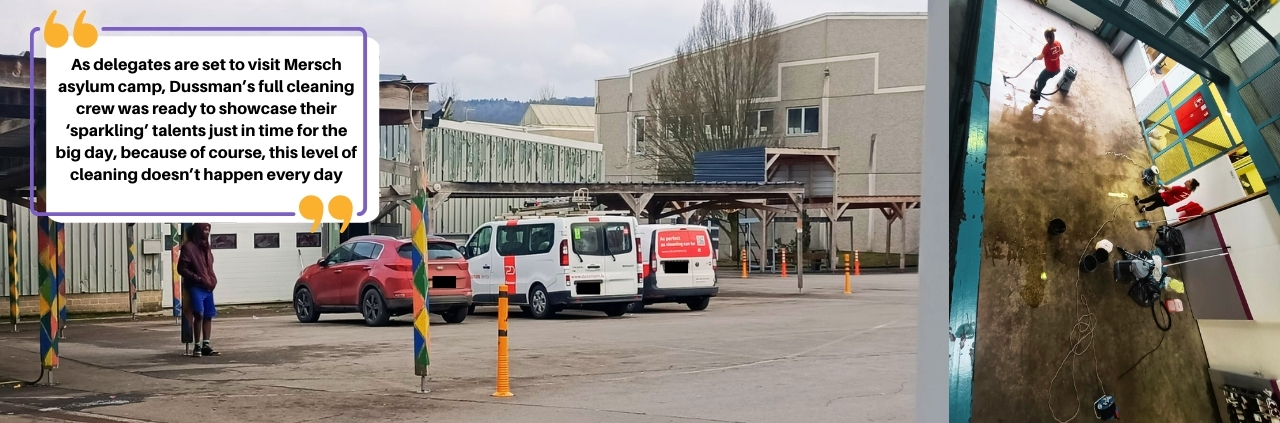
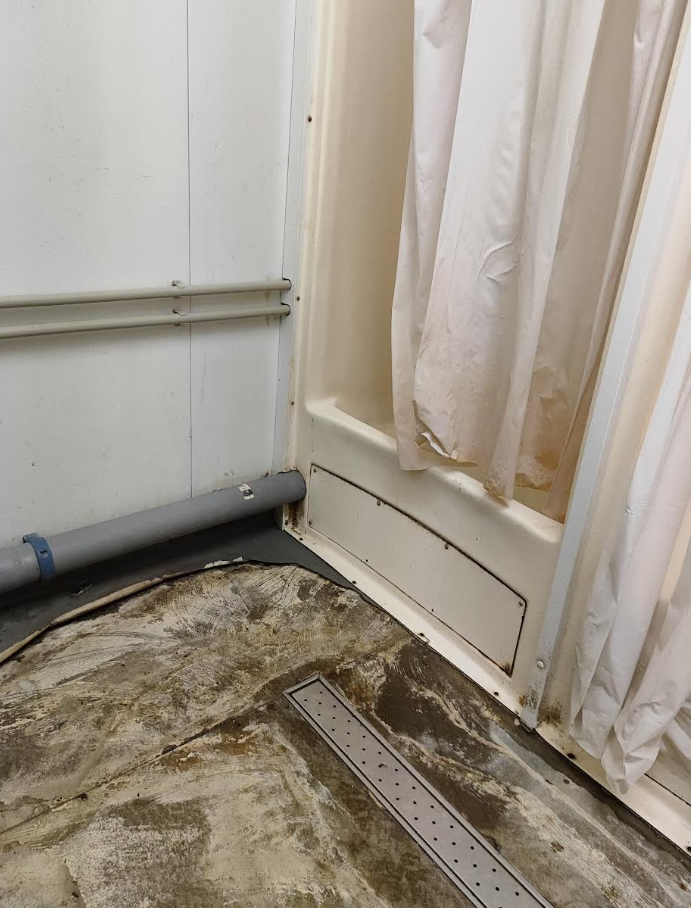
Some images from the refugee camps in Mersch were taken just one day before Minister Hahn was scheduled to visit, althought Minister did visited other locations and not Mersch. At this particular site, generally only one or two staff members from Dussmann were present to handle cleaning, despite the poor and unhygienic condition of the toilets. On Sunday 21 February 2026, several vehicles and team of staffs were seen at the asylum center. Some asylum seekers provided Helvilux with images showing the situation. Following media coverage and public criticism, a full-scale cleaning operation has now been initiated.
On Sunday a social worker from Croix-Rouge Luxembourgeoise, speaking to HELVILUX on condition of anonymity, said that they had no information about Minister Hahn’s planned visit to the Mersch asylum cente. However, the fact that deep cleaning of each room is now being carried out with machines which never used before after such a long time suggests that something significant is happening.
However, this raises the question: If cleaning and maintainance is only carried out after media outrage, why isn’t it done regularly to maintain proper hygiene at all times?
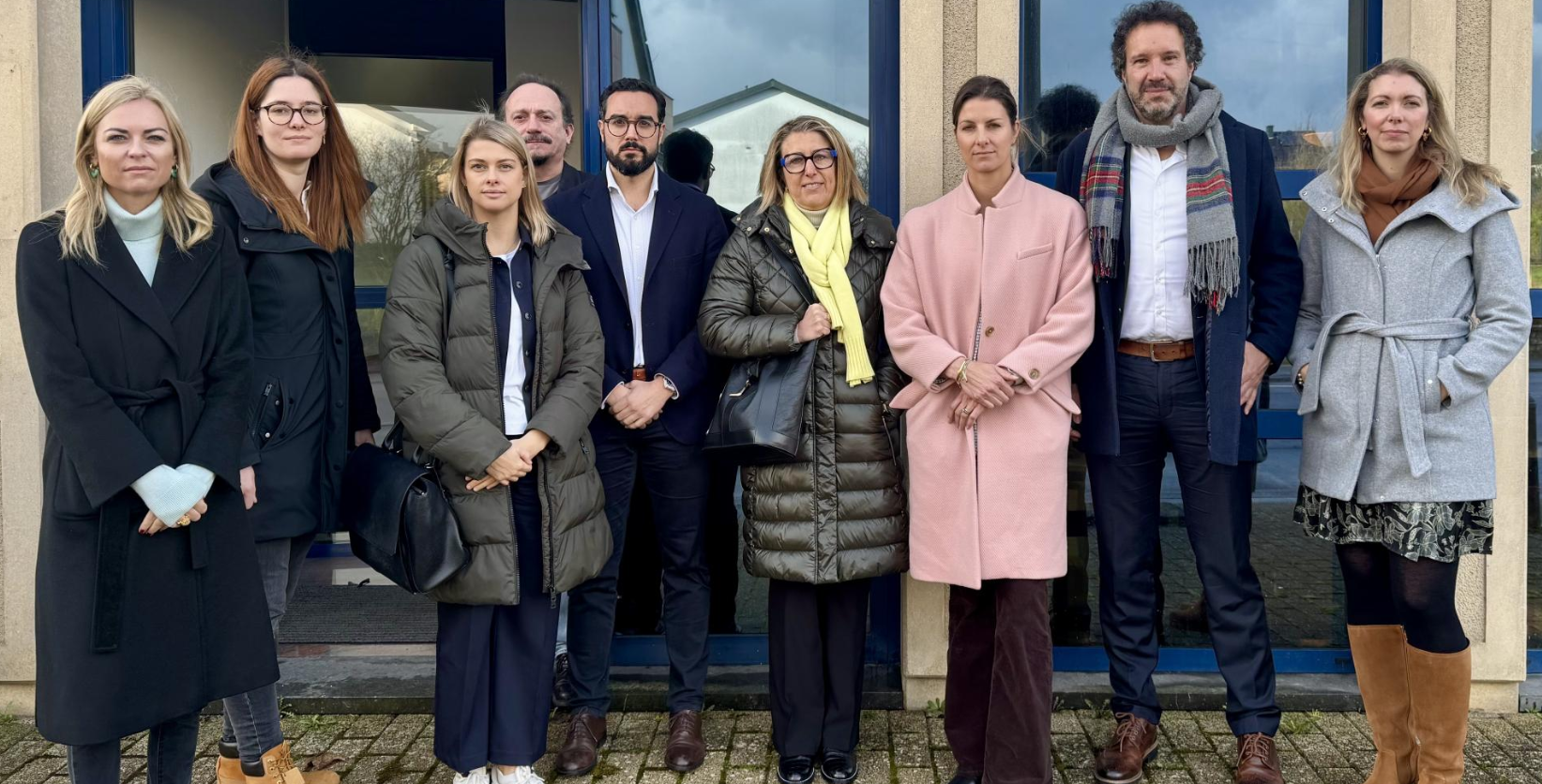
Just after that, On 23 February 2026, members of the Family Committee visited several reception centers for asylum seekers to assess living conditions and integration efforts.
Marc Baum (déi Lénk) was highly critical of the Mersch center, describing it as “resembling a prison” and outdated, with more than 300 residents. By contrast, he praised the Bascharage facility as modern, well-designed and more human in scale, accommodating 65 people. He described the Soleuvre site as “mixed,” with 29 residents sharing a dormitory, some of whom have been there for up to four years.
Paul Galles (CSV) acknowledged that large-scale centers are “not ideal, not family-friendly,” but emphasized that management by the Croix-Rouge luxembourgeoise helps ensure integration. He also highlighted Luxembourg’s lack of infrastructure and called on more municipalities to host such facilities.
Djuna Bernard (déi Gréng) described conditions in some shelters as “alarming” and “unacceptable,” citing poor hygiene, deteriorating facilities, and lack of privacy, while urging faster access to the labor market for refugees. Baum added that the government lacks a clear strategy, noting that some recognized refugees remain in reception centers due to housing shortages.
Minister Hahn’s office has defended the visit to the refugee camp as part of ongoing efforts to address pressures on the system. However, opponents argue that it reflects a pattern of superficial engagement.
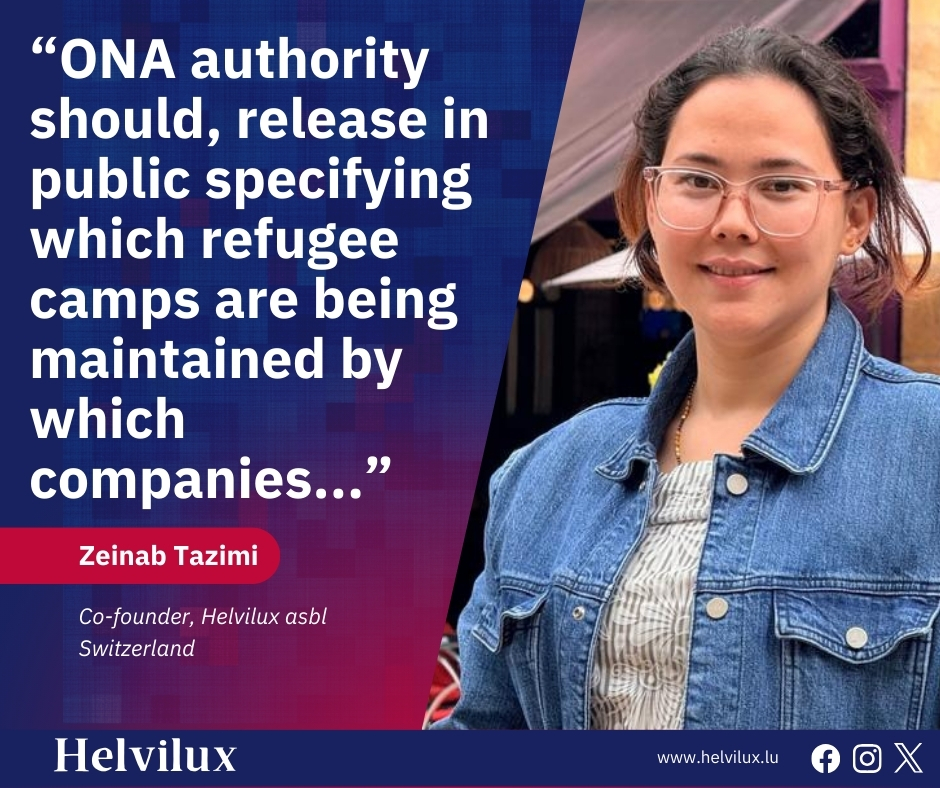
Zeinab Tazimi, co-founder of Helvilux ASBL, stated that the ONA authority should, as soon as possible, release in public specifying which refugee camps are being maintained by which companies and what kind of amenities are being provided for how much cost monthly and annually the full discloser. This transparency would allow ordinary taxpayers to understand whether their money is genuinely being used for humanitarian purposes or to benefit specific companies.
Mr. Kamath, Media Editor-in-Chief of Helvilux, added that the ONA authority has so far not provided proper answers to their questions. This time, Helvilux have submitted an application under the Right to information on transparency and access to administrative documents, therefore Public administrations must provide such documents upon request. If the ONA authority fails to provide detailed information on expenses and contractor details of each asylum centers in luxembourg, then Helvilux will, as per the Luxembourgish law, file a complaint with the responsible authority for abuse of authority against the responsible ONA officials for ignoring the access to files application. He emphasized that this is the last attempt to resolve the matter respectfully, next steps will involve legal action by Helvilux Media.
“If the ONA authority has no concern for vulnerable asylum seekers and their childrens, then why should Helvilux show concern for ONA officials and not file a report for office abuse?”, says Kamath the founder of Helvilux asbl.
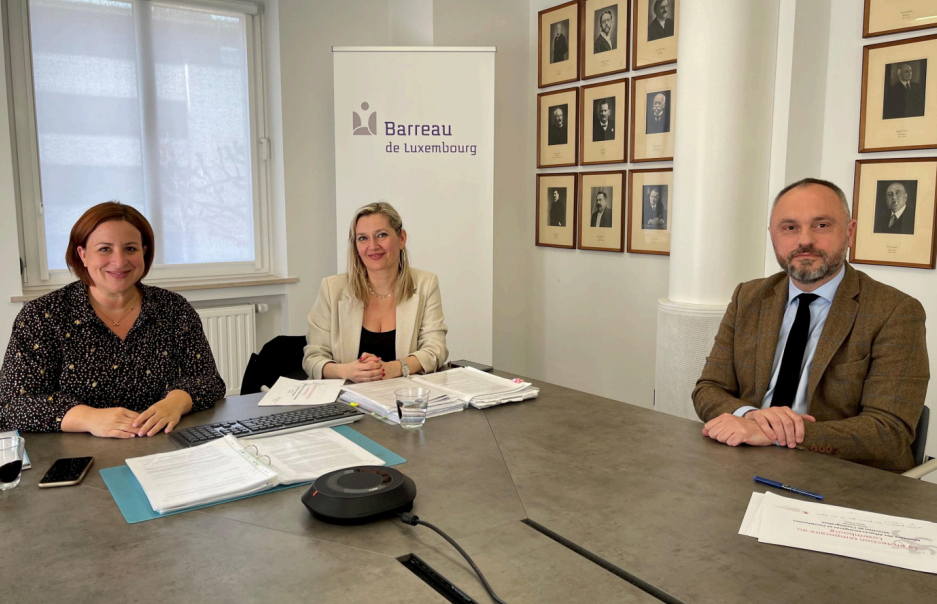
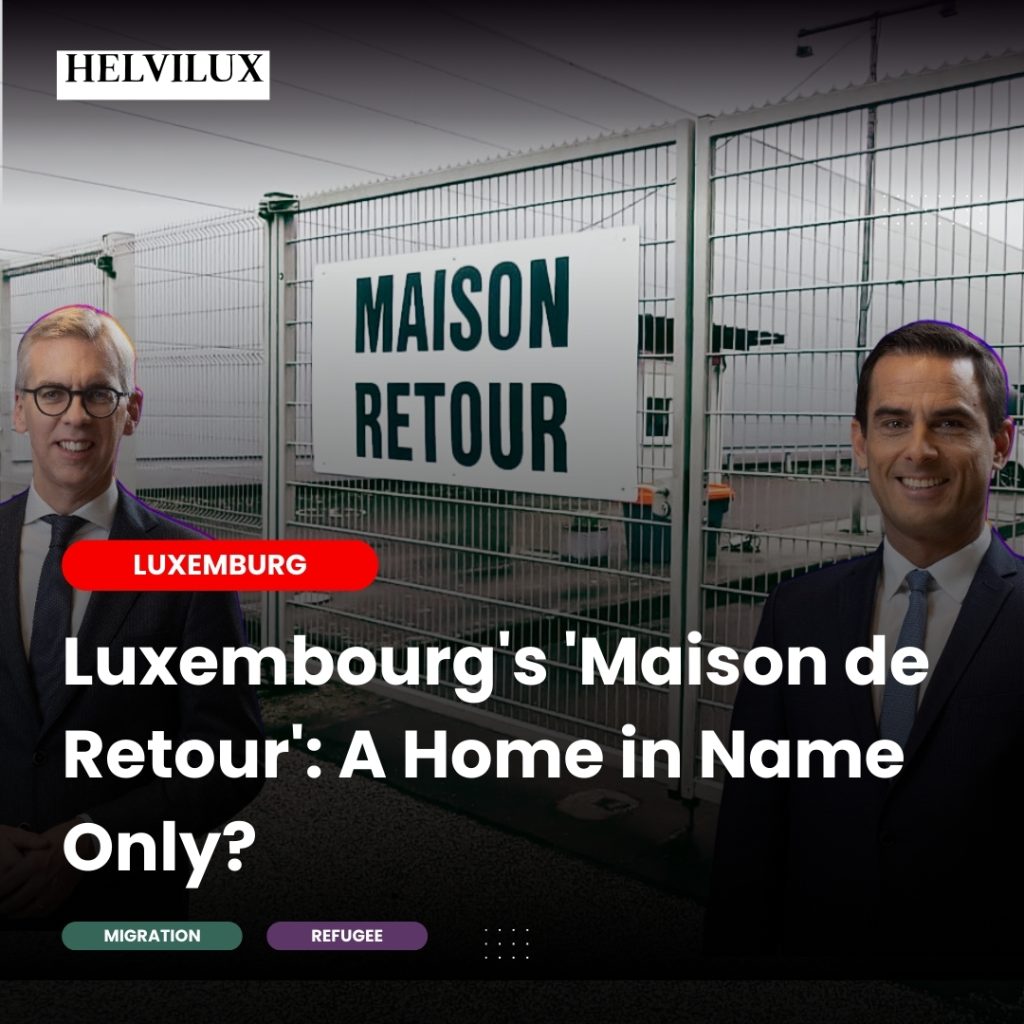
Helvilux Media has sent an official request letter to GREFFRATH Danitza, Head of the Refugee Department at the Ministry of Home Affairs, asking for her position as a legal advisor on the alleged human rights violations and the disregard for international standards in the so-called “Maison de Retour,” which houses a vulnerable population. Greffrath serves as a legal advisor for state in refugee sector and represents the Luxembourg government in most asylum cases in the tribunal court.
Helvilux also received credible information from a source that on 23 February 2026, a theft incident occurred at the Maison Retour center. A rejected asylum seeker called the police after a security guard reportedly broke his locker and moved his belongings, causing damage and theft. Helvilux asbl contacted the asylum seeker and took him to Kirchberg police station to file a complaint against the accused party and a civil damage case is currently in process against the ONA authorities.
After examining the whole incident Helvilux investigative team find out that these kind of incidents mostly happenes and security threat the residents to not call the police. But this time the victim resident call police but when police arrived they refuse to file the complaint. When victim stated to note the batch number of police officer to do complaint against police officers for ignoring the complaint thats when police note the complaint and gave appointment to make anzeige.
On condition of anonymity, a resident said: “In Luxembourg, most crimes are occurring but are underreported and the credit for this goes to many officers of the Police Department of the Grand Duchy of Luxembourg.”
Therefore this again contrast from the statement which was given by Minister Gloden in parliament that they are providing an adequate accomodation and respect the dignity of residents who are living in Maison Retour the co called returning center in Luxembourg Expo.
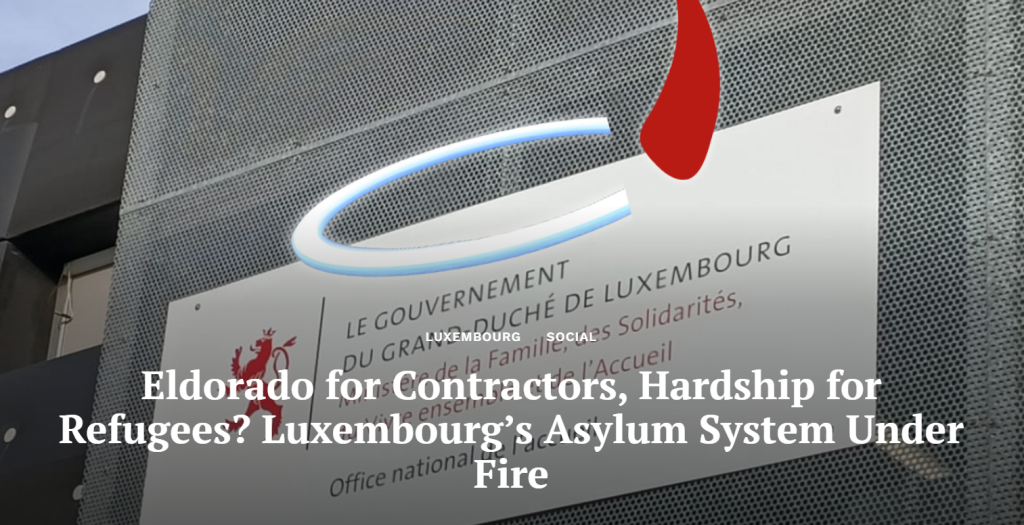
Recently, while speaking with RTL Media, Minister Hahn stated that asylum seekers should not view Luxembourg as an “Eldorado” where money comes from the sky. Helvilux Media next day publish indetail article, saying that instead of making this remark about the vulnerable population namely asylum seekers, refugees and rejected applicants Minister Hahn should direct his “Eldorado” comment toward the contractors and organisations who earn huge profits under the guise of providing services in the asylum sector. Click here to read.
Demands for Change and Broader Implications
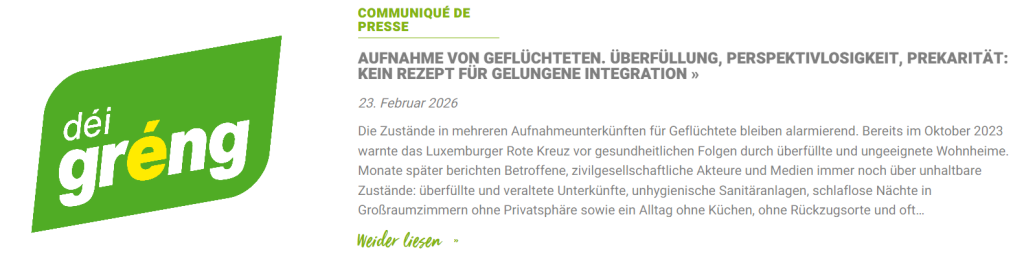
déi gréng’s demands are comprehensive: Sufficient capacity with mandatory minimum standards, a fair distribution of responsibility across municipalities, independent oversight, evictions only with alternative housing, immediate labor market integration and a humane application of the Asylum Pact, prioritizing vulnerable groups like children.
These criticisms resonate with Helvilux.lu’s ongoing coverage, which has exposed similar issues in first-phase camps (initial reception) in CPA Kirchberg and secondary-phase facilities (longer-term housing) Mersch. Despite Luxembourg’s wealth and progressive image, the refugee system appears strained by rising arrivals, bureaucratic inertia and political priorities favoring restriction over support.
As the debate intensifies, questions linger about whether the government will heed these calls or continue defending the status quo. With civil society amplifying refugee voices and opposition parties like déi gréng leading the charge, pressure is mounting for tangible reforms to ensure that reception centers promote integration rather than perpetuate hardship.
Helvilux does not receive any subsidies or financial assistance from the governments of Luxembourg or Switzerland to support its journalism work. HELVILUX Media is an independent media outlet run by the non-profit organization Helvilux asbl in Luxembourg. To support our work with a donation, click here.