


Luxembourg (Helvilux) – Recent reports across Luxembourg and European media that ArcelorMittal is considering relocating thousands of European support-function jobs to India, including an estimated 1,100–1,150 positions in Luxembourg, have prompted Helvilux Media to launch a Change.org campaign calling for greater transparency and accountability. These plans come despite decades of substantial public support provided by the Luxembourg state during periods when the steel industry was in deep crisis support that led to the creation of the AGORA public-private partnership, specifically designed to stabilize ArcelorMittal and protect local employment.
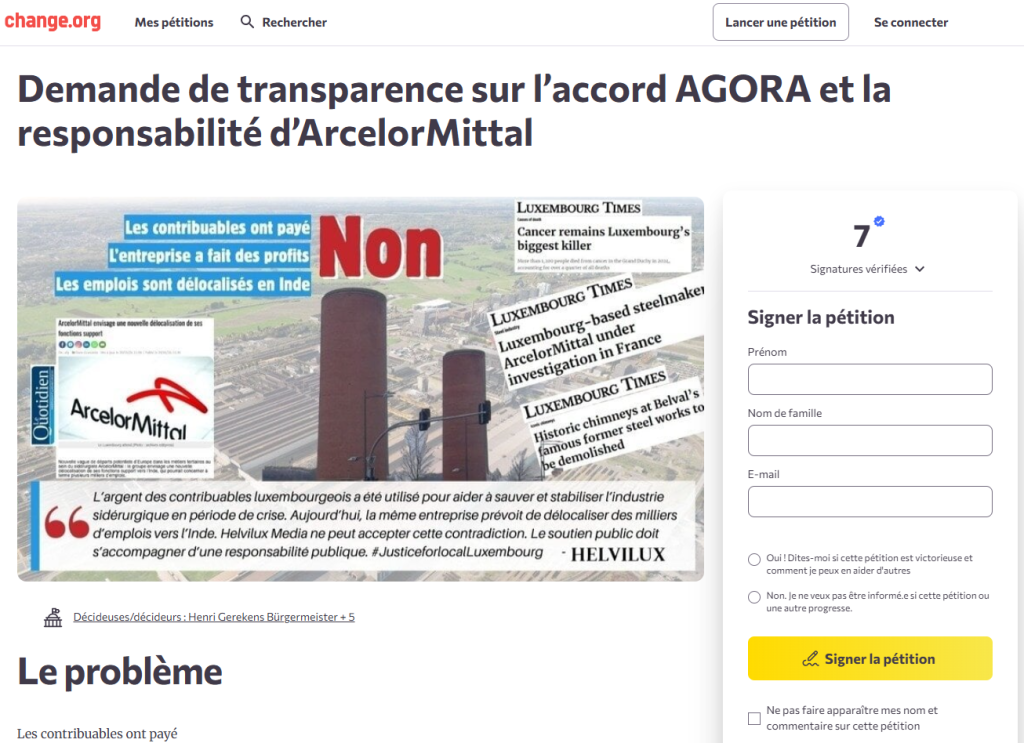
A Change.org petition launched by Helvilux Media highlights longstanding concerns over the lack of full public disclosure regarding the AGORA agreement, public funding for Luxembourg’s steel industry transition, ongoing environmental and health legacies, and recent plans by ArcelorMittal to relocate European support functions to India. The campaign, titled “Request for transparency on the AGORA agreement and ArcelorMittal’s responsibility” (link https://c.org/79MT64XyXG) argues that taxpayer-supported stabilization of the steel sector during crisis periods should entail clearer long-term commitments to employment, territorial responsibility, and cost accountability.
AGORA Partnership: Origins and Structure
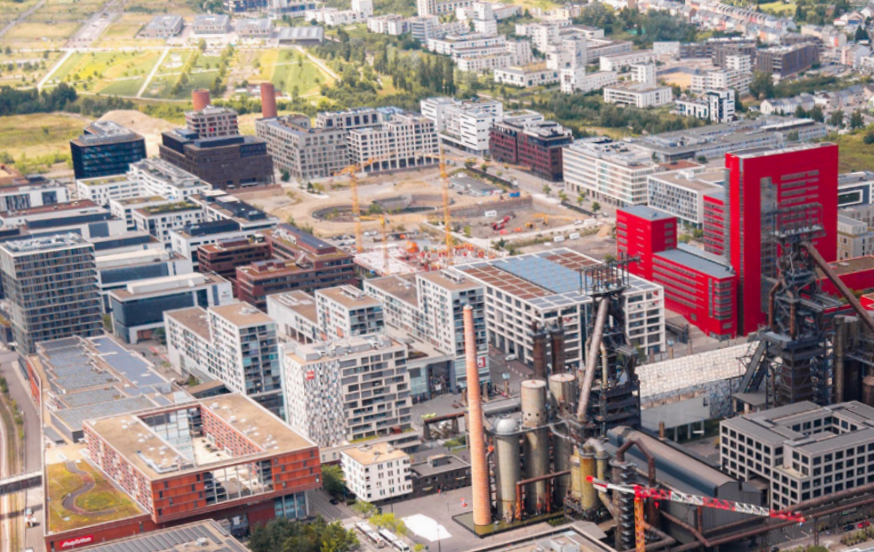
Established in October 2000 as a 50/50 joint venture (société à responsabilité limitée et compagnie) between the Luxembourg State and ArcelorMittal (then ARBED), AGORA functions as a specialized public-private development company. Its creation followed the steel industry’s major restructuring in the late 1990s, including the 1996 decision to phase out cast iron production at Belval and a tripartite agreement involving government, the steel group and unions.
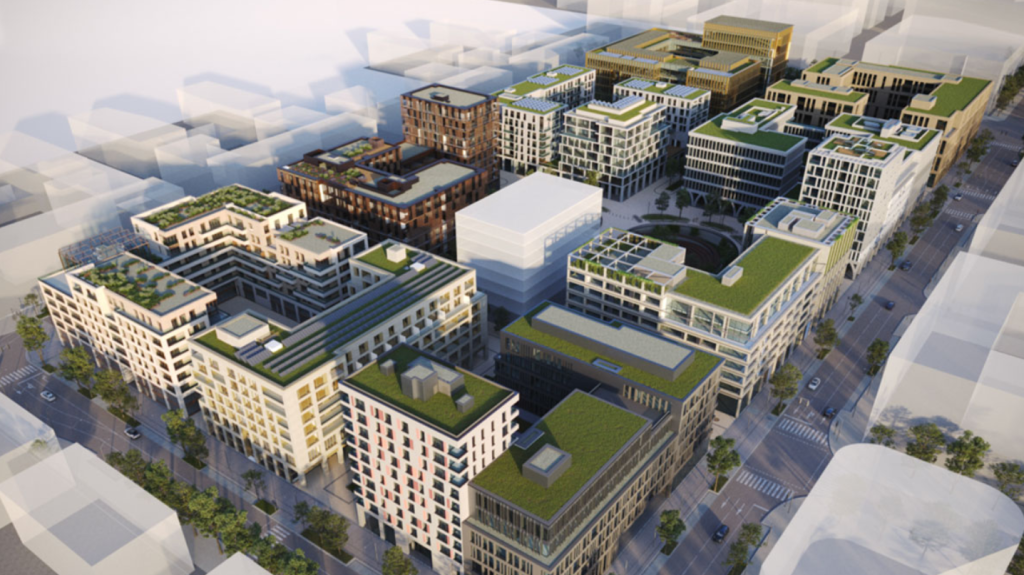
Key objectives included safeguarding employment during transition, managing industrial reconversion of former steel sites most notably Belval repurposing brownfield land for urban and economic development and ensuring regional economic stability in southern Luxembourg. AGORA has since led the transformation of Belval into a mixed-use district featuring offices, residences, cultural venues, a university campus, and commercial spaces. Today, it is Luxembourg’s fifth-largest tertiary center, with over 215,000 m² of office space delivered and supporting approximately 18,000 people living, working or studying there.
While the partnership’s structure and achievements are publicly documented through AGORA’s website and ArcelorMittal communications, including its 20th anniversary celebrations in 2021, the full original agreement text, detailed financial commitments, employment obligations, long-term conditionalities, and accountability mechanisms are not readily available in consolidated public form. Although annual reports provide audited financials, critics including the petition point to the absence of comprehensive, accessible overviews for citizens.
For Helvilux, the proposed relocations of work to India raise fundamental questions about the long-term commitments attached to taxpayer-funded industrial support. While Luxembourg invested heavily in safeguarding jobs, remediating polluted steel sites and enabling ArcelorMittal’s transition through AGORA, the company is now pursuing cost-driven restructuring that could significantly affect local workers. This situation has been perceived by many citizens as a betrayal of public trust, particularly as Luxembourg continues to host ArcelorMittal’s global headquarters.
The timing also intersects with broader policy developments at EU level. Helvilux recently examined the implications of the EU-India trade agreement, including potential increases in migration pressure on Luxembourg, at a moment when a major employer supported by public funds is seeking to relocate European jobs to India. Click here to read. For local communities, the contrast is stark: jobs leaving Luxembourg while social and economic pressures remain at home, intensifying calls for transparency around AGORA’s obligations and ArcelorMittal’s responsibilities.
Public Investments in Reconversion and Depollution
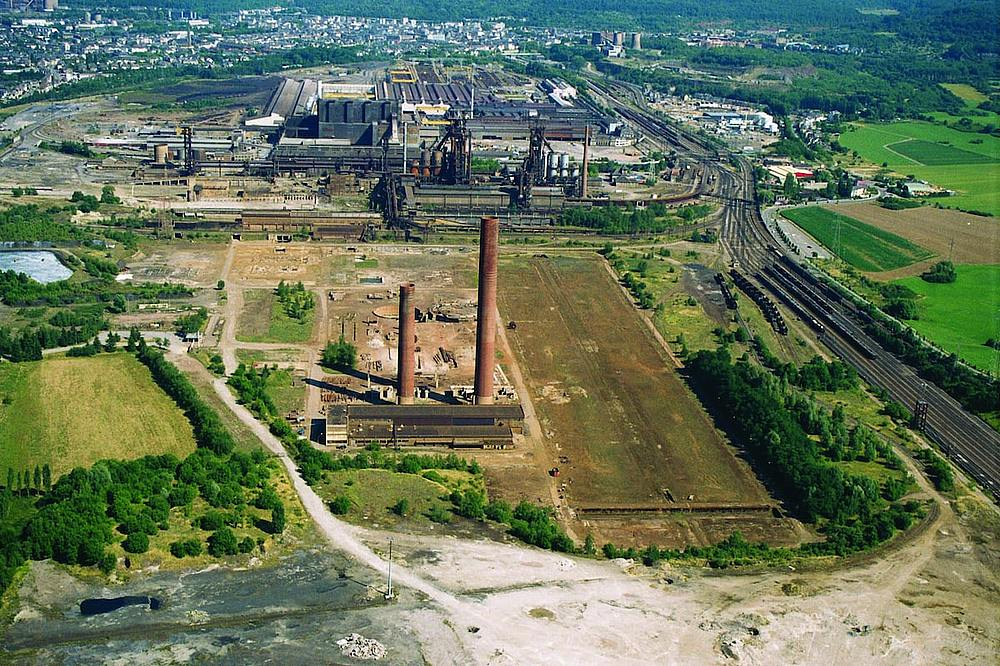
Luxembourg’s steel transition has involved substantial public resources channeled through AGORA (via the state’s 50% stake), the Fonds Belval (a dedicated public establishment created in 2002 for state infrastructure and equipment in the Belval area), and broader government programs. Reconversion efforts addressed massive depollution of former industrial sites, infrastructure development, and urban transformation across hundreds of hectares.
Estimates indicate around one billion euros invested overall in Belval’s reconversion, with significant public contributions covering soil remediation, utilities, public spaces, and heritage integration. Exact breakdowns of total taxpayer expenditure versus ArcelorMittal’s share remain fragmented across multiple entities and budgets rather than consolidated in a single public dashboard, complicating assessments of efficiency and proportional responsibility. Similar public efforts have supported depollution and nuisance reduction (e.g., dust and emissions mitigation) at active and legacy sites.
Recent Delocalization Plans and Compatibility Questions
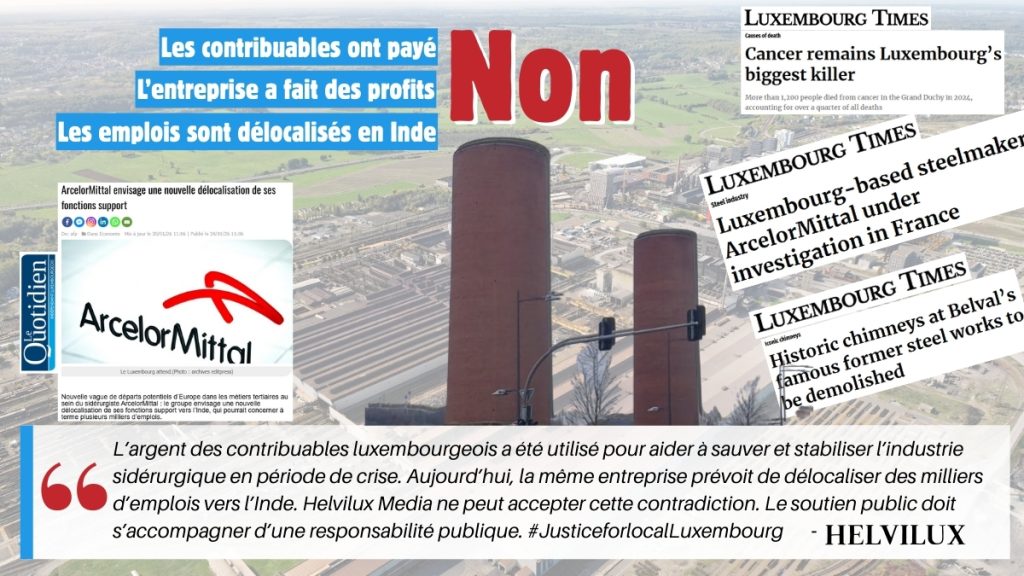
In early 2025, ArcelorMittal informed its European works council of plans to further centralize certain support functions (marketing, commercial, HR, finance, order management, supply chain, IT) by expanding its business services hub in India. Union representatives estimate this could impact over 5,600 positions across approximately 20 European countries, building on an earlier wave of relocations. Specific figures for Luxembourg (where ArcelorMittal maintains its global headquarters and significant operations) are not publicly detailed, though the initiative affects multiple entities including France (around 1,650 jobs cited in some reports).
The company has stressed that no steel production activities will relocate from Europe to India, framing the move as a response to high European costs and competitive pressures. This development revives questions about alignment with AGORA’s foundational goals of employment protection and territorial anchoring, especially given historical public support during industry crises. No direct contractual prohibitions on such shifts are publicly confirmed in available sources.
Belval Chimneys Demolition: Costs, Asbestos and Responsibility
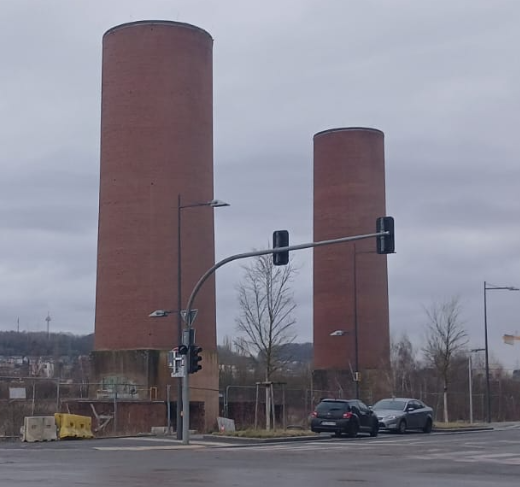
A focal point of the petition is the planned demolition of the two remaining historic chimneys (SI and SII) from the former Adolf-Emil-Hütte steelworks at Belval, located on Sanem commune territory. Originally built in 1969 and 1972 (heights 115m and 75m), they were partially dismantled in 2012 to 40m each for safety reasons.
The commune of Sanem and AGORA have jointly announced the demolition due to structural degradation, security risks, and prohibitive preservation costs estimated at over €6 million for rehabilitation (including extensive scaffolding, asbestos removal, and ongoing maintenance exceeding €1 million every 3–5 years). In 2021, the Minister of Culture declined national monument classification, a position reaffirmed by the current minister. An ideas competition is underway to integrate industrial memory into future site development with Sanem planning PAG (general land-use plan) modifications in 2026.
Funding responsibility rests primarily with AGORA and the commune; as AGORA is 50% state-owned and the project occurs on public-interest land with historical public involvement, indirect taxpayer exposure is relevant. A previous partial chimney demolition (pre-2012) followed similar technical/safety logic, though specific prior funding details are not prominently documented.
Environmental, Health and Quality-of-Life Concerns
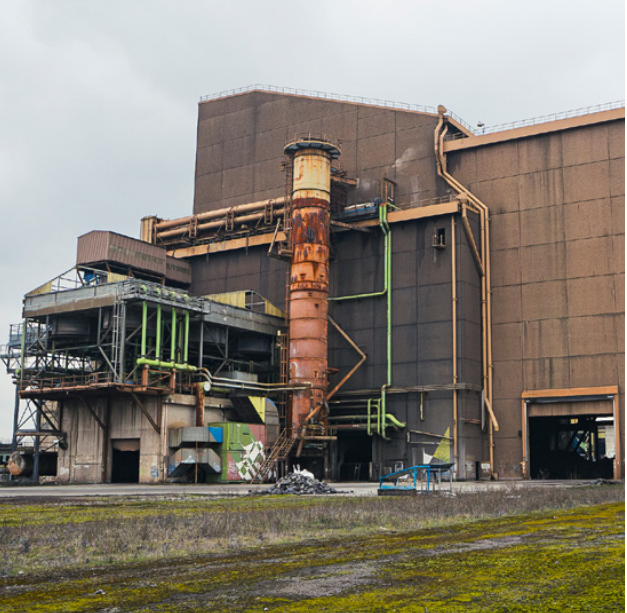
Southern Luxembourg’s industrial history has left legacies of soil, air, and water contamination concerns, with ongoing monitoring of emissions, dust, noise, light pollution, and specific pollutants like polycyclic aromatic hydrocarbons (PAHs) from steel operations. ArcelorMittal publishes annual sustainability reports detailing emission reductions and mitigation efforts.
While direct causation linking local steel activity to national cancer statistics (where cancer is a leading cause of death) is complex and multifactorial, environmental exposures are recognized risk factors globally. Residents have reported quality-of-life impacts, underscoring calls for independent, data-driven surveillance and transparent public reporting.
Calls for Democratic Transparency
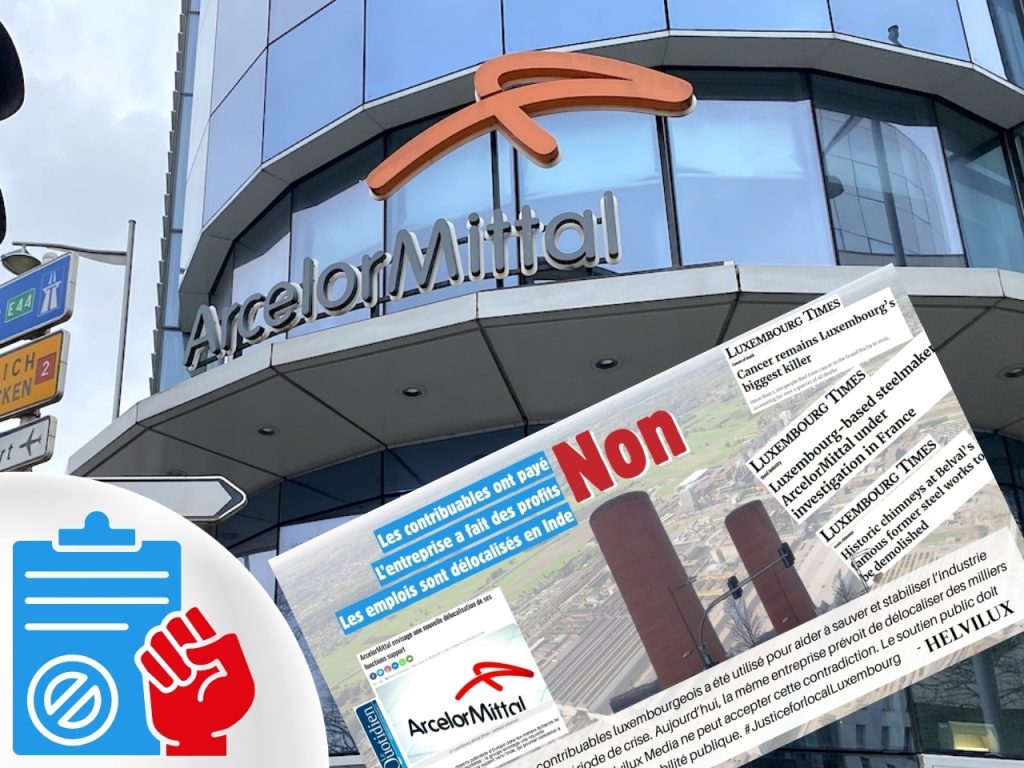
The Helvilux petition frames these issues not as legal accusations but as a demand for democratic accountability: full access to AGORA obligations and commitments, consolidated public spending data, clear conditionalities on support, and mechanisms ensuring long-term industrial responsibility. It invites public input via helvilux@gmail.com.
ArcelorMittal and government bodies have highlighted AGORA’s success in sustainable urban redevelopment and economic revitalization. However, the petition’s core concern greater openness amid evolving corporate strategies and persistent legacy costs resonates with broader debates on public-private partnerships in industrial transitions. As of now, no official consolidated response addressing all transparency points has been widely publicized.
Support the Campaign

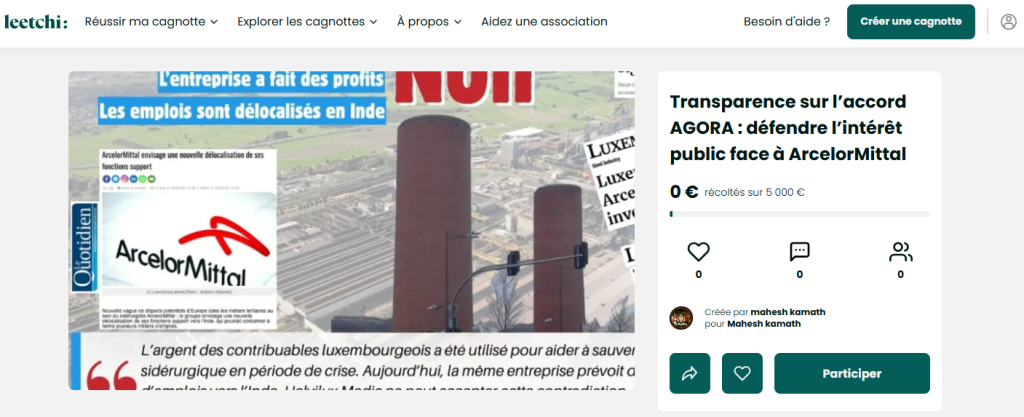
Well-wishers who wish to support Helvilux’s independent journalism and transparency campaign can also contribute financially.
A crowdfunding campaign has been launched on Leetchi and is available here:
https://www.leetchi.com/fr/c/transparence-sur-laccord-agora-defendre-linteret-public-face-a-arcelormittal-1345363